
It is said “From the New World” this is one of the all top time most popular symphonies. Astronaut Neil Armstrong took a tape recording of the New World Symphony along during the Apollo 11 mission, the first Moon landing, in 1969. By the way, the recent biopic about his life First Man will appear here at Friday’s Finest soon. I remember I became familiar with the Oboe sequence learning it on my little casio keyboard as a youngen’. There was another name under which it was titled in the book and it frustrates me I no longer remember it.
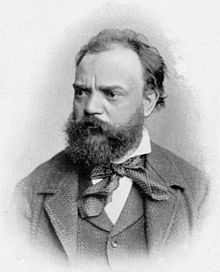
“From the New World” was written during the first year of the composer’s tenure in the United States. Dvořák was influenced not only by music he had heard, but by what he had seen, in America. He wrote that he would not have composed his American pieces as he had, if he had not seen America. It has been said that Dvořák was inspired by the American “wide open spaces” such as prairies he may have seen on his trip to Iowa in the summer of 1893. The symphony was completed in the building that now houses the Bily Clocks Museum in Spillville, Iowa.
In 1893, a newspaper interview quoted Dvořák as saying “I found that the music of the negroes and of the Indians was practically identical“, and that “the music of the two races bore a remarkable similarity to the music of Scotland”. Most historians agree that Dvořák is referring to the pentatonic scale, which is typical of each of these musical traditions.
References:
1. Symphony No. 9 (Dvořák) – Wikipedia

“The more I live, the more I learn. The more I learn, the more I realize, the less I know.”- Michel Legrand


 Observation Blogger
Sweet