
Ankidroid additions related to Science, History and Philosophy. More information about Anki can be found in this article.
Tenochtitlan
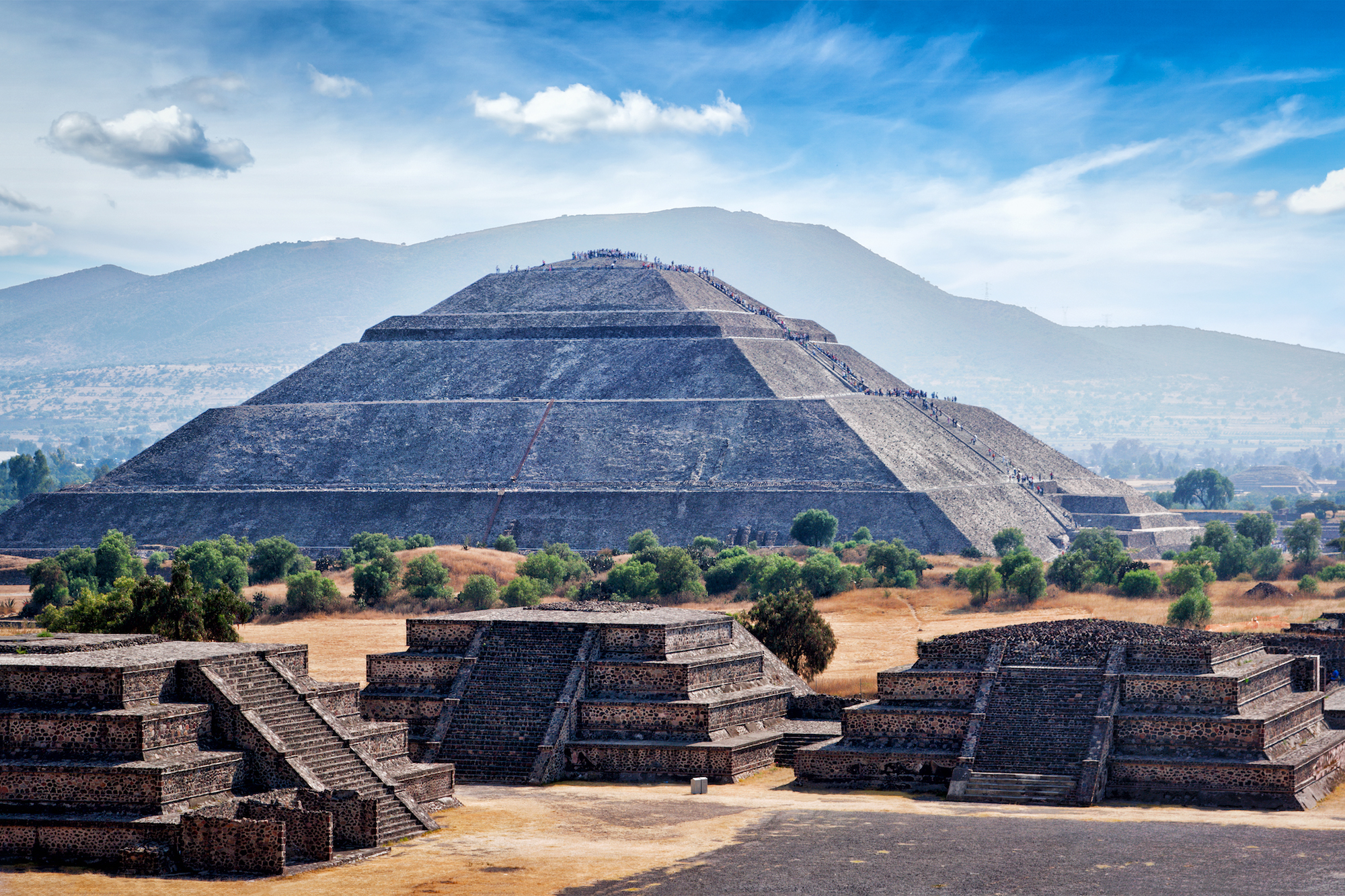
Buried beneath what is now Mexico City, lie the ruins of the greatest city of the Aztec empire—Tenochtitlan (ten-och-tee-TLAN).
In 1325, after years of searching, the Aztecs chose a site in the middle of Lake Texcoco for their new capital. Within two centuries, this island in a swampy, shallow lake had become the center of an empire of over 5 million people that covered most of central and southern Mexico. By the early 1500s, Tenochtitlan was one of the world’s largest cities. More people lived there than in London or Paris at that time. How did a mighty empire rise from an island in a lake? What did its people believe? How long did the empire last, and why did it fall? Let’s unlock the mysteries of the Aztecs. (see video below)
Nomenclature
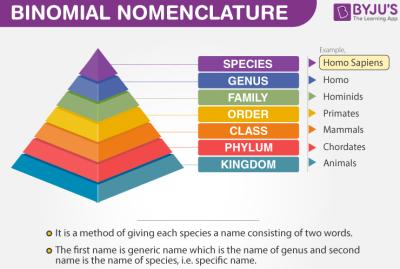
– A system of names used in an art or science.
– The system or procedure of assigning names to groups of organisms as part of a taxonomic classification.
Gehenna
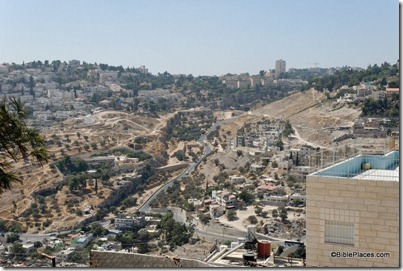
Gehenna is ‘Hell’ as it is translated in the new testament. Gehenna is a valley in the south – east of Jerusalem (see above) that symbolised death and destruction. It was here that child sacrifices to Moloch were performed. See the book of Kings in the old testament (2 Kings 16:3 and 21:6).
The valley accounts for the prophecy of Jeremiah that it would be called the Valley of Slaughter under judgement of God (Jer. 7:32-33). This combination of abominable fires and divine judgement led to the association of the valley with a place of perpetual judgement (see Isa. 66:24) and later with a place of judgement by fire without any special connection to Jerusalem.
The Fires of Gehenna: Views of Scholars – BiblePlaces Blog

“The more I live, the more I learn. The more I learn, the more I realize, the less I know.”- Michel Legrand


 Observation Blogger
Interesting…history…