
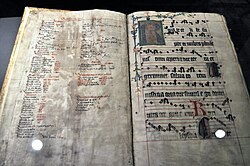
My friend Bruce (from Weave a Web) recommended this chant a few years ago. I’m the least bit familiar with Catholic hymns especially one’s sung in Latin, but I like the tranquil state this beautiful devotional piece puts me in. It is so peaceful and relaxing. The chant is traditionally sung in a form called plainsong, a simple and meditative musical style. It’s interesting this article arrives on a Saturday morning since this is when it is sung during Advent.
Rorate caeli (“Drop down, ye heavens”) is a centuries-old Advent chant from the Christian liturgical tradition. Sung during the season leading up to Christmas, it expresses deep yearning for spiritual renewal and the coming of the Messiah. The chant has become especially associated with a unique candlelit service known as the Rorate Mass, typically celebrated early in the morning during Advent.
One of the most beautiful traditions associated with this chant is it is often celebrated before sunrise in a darkened church lit only by candles. This powerful atmosphere reflects both the darkness of the world awaiting redemption and the light of hope through Mary and Christ. While especially observed on Saturdays during Advent, in some regions it is held daily.
The Latin words Rorate caeli are taken from Isaiah 45:8, as translated in the Vulgate, the Latin Bible used by the Western Church for much of its history. The phrase reflects a call for divine mercy and hope:
“Drop down dew, O heavens, from above, and let the clouds rain down the Just One.”
This verse, and the chant built around it, captures the spirit of longing that defines Advent – the anticipation of Christ’s coming, not only in celebration of His birth but also in spiritual renewal.
In the 17th century, the chant evolved into a fuller hymn by incorporating additional passages from Scripture related to Advent themes. The earliest known version of this extended hymn form appears in the Oratorian Officia Propria (1673), a liturgical book used by the Oratory of Saint Philip Neri.
| Latin | English |
|---|---|
| Roráte caéli désuper, et núbes plúant jústum. | Drop down, ye heavens, from above, and let the skies pour down righteousness. |
| Ne irascáris Dómine, ne ultra memíneris iniquitátis: ecce cívitas Sáncti fácta est desérta: Síon desérta fácta est, Jerúsalem desoláta est: dómus sanctificatiónis túæ et glóriæ túæ, ubi laudavérunt te pátres nóstri. | Be not wroth very sore, O Lord, neither remember iniquity for ever: thy holy city is a wilderness, Sion is a wilderness, Jerusalem a desolation: our holy and our beautiful house, where our fathers praised thee. |
| Peccávimus, et fácti súmus tamquam immúndus nos, et cecídimus quasi fólium univérsi: et iniquitátes nóstræ quasi véntus abstulérunt nos: abscondísti faciem túam a nóbis, et allisísti nos in mánu iniquitátis nóstræ. | We have sinned, and are as an unclean thing, and we all do fade as a leaf: and our iniquities, like the wind, have taken us away: thou hast hid thy face from us: and hast consumed us, because of our iniquities. |
| Víde Dómine afflictiónem pópuli túi, et mítte quem missúrus es: emítte Agnum dominatórem térræ, de Pétra desérti ad móntem fíliæ Síon: ut áuferat ípse júgum captivitátis nóstræ. | Behold, O Lord, the affliction of thy people, and send forth him whom thou wilt send; send forth the Lamb, the ruler of the earth, from Petra of the desert to the mount of the daughter of Sion: that he may take away the yoke of our captivity. |
| Vos testes mei, dicit Dóminus, et servus meus quem elégi; ut sciátis, et credátis mihi: ego sum, ego sum Dóminus, et non est absque me salvátor: et non est qui de manu mea éruat. | Ye are my witnesses, saith the Lord, and my servant whom I have chosen; that ye may know me and believe me: I, even I, am the Lord, and beside me there is no Saviour: and there is none that can deliver out of my hand. |
| Consolámini, consolámini, pópule méus: cito véniet sálus túa: quare mæróre consúmeris, quia innovávit te dólor? Salvábo te, nóli timére, égo enim sum Dóminus Déus túus, Sánctus Israël, Redémptor túus. | Comfort ye, comfort ye my people; my salvation shall not tarry: why wilt thou waste away in sadness? why hath sorrow seized thee? Fear not, for I will save thee: For I am the Lord thy God, the Holy One of Israel, thy Redeemer. |
References:
1. Rorate Caeli – Wikipedia

“The more I live, the more I learn. The more I learn, the more I realize, the less I know.”- Michel Legrand


 Observation Blogger
Calming, soothing peacefulness. What my tortured soul needs. Very nice.
I know what you mean. Music has a very powerful effect.
Without it I would surely be lost..