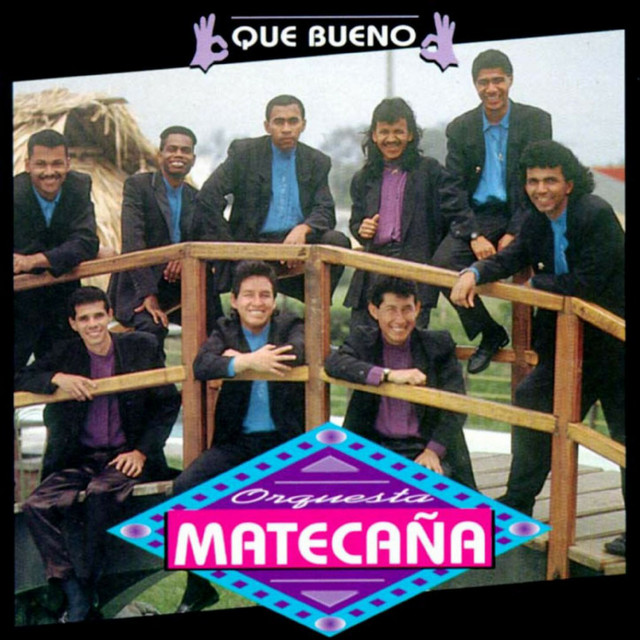
Gracias Amor – Matecaña Orquesta (written by Fernando Tigreros)

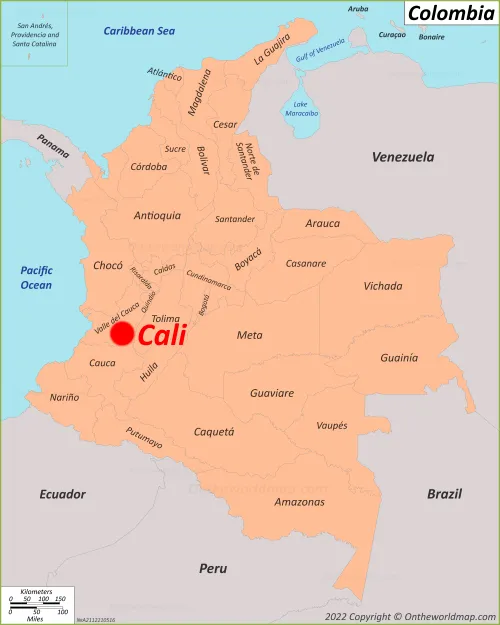
The farewell of a gentleman; for a lady, without resentment or malice, as it should be, ending in the best way with gratitude and affectionate memories of a love that’s passed; this is poetry, because this is how it is…… Salsa, from Colombia’s Salsa capital Cali (see image inset). Today’s featured track ‘Gracias Amor‘ (Thank you Love) won’t disappoint listeners who enjoy ‘Salsa Romántica’. When I listen to this song it transports me to nostalgic moments and reflections on past relationships. Colombian Fernando Tigreros, the voice below of Orquesta Matecaña expresses a profound attachment and desire that his past love will attain personal and relational growth and well-being moving forward.

Fernando Tigreros founded the salsa band in the company of Harold Herrera and Neiver Calero in 1990. The group shone with works such as ‘Con sabor a Matecaña’, ‘Se morirá el amor’, ‘Gracias amor’, ‘Quisiera callar’, ‘Cali calor’ y ‘Vientico Grosero’. Fernando Tigreros said in a 2019 interview here: “We started singing romantic salsa in Cali, but the phenomenon of renovation arose with many artists, so at that time our record company proposed to us to make a leap to ‘tropical‘ (music), and we took the risk and obtained better results.”

A raw English translation of a large segment of Gracias Amor follows:

Thank you very much heart
For what you once were
For all the time enjoyed
And for your sincerity

You knew how to understand me
and you filled me with love
That’s why I will always love you
Although ours is over
I pray to God that you do not suffer torment
And may happiness always reign in you

Thank you love for the beautiful moments
May God make your dreams come true
And although I know that ours is past
I will never forget you
Because I was so happy

Thank you love and even if time passes
The memory will live forever
Thank you love for your immense affection
All that was so beautiful
I’ll never forget

May you find someone on your path
May that you know how to love
May he never play or do you harm
to your good heart
And you will always have a good friend in me
And forever you can
Count on me

Tigreros mentioned in a 2022 interview that in the year previous he had to say goodbye to Matecaña, the group he was a part for 30 years due to the Quarantine restrictions of the Pandemia. He looked for new options abroad and decided to travel to the United States, where he faced an unexpected reality far from what I had in mind. “The money wasn’t coming in, you’re starting to run out of your savings. Now you start selling one thing, the other, the car, that’s when I started to feel a little perturbed“. According to the salsa artist, he worked as a house cleaner and held various jobs to receive an income. ‘For me music is my life, my passion‘.

References:
1. La historia detrás de la orquesta de salsa Matecaña – Wradio
2. Fernando Tigreros, voz de Orquesta Matecaña, pasó difícil momento y trabajó en oficios varios en Estados Unidos – Semana

Tagged with: , ,
Posted in Music

Honky Tonk Women (1969)- The Rolling Stones

There are familiar electric, riff-based hit singles, then there is This ONE. Honky Tonk Women was described by Rolling Stone magazine as ‘likely the strongest three minutes of rock and roll yet released in 1969‘. It is distinctive as it opens not with a guitar riff but with a beat played on a cowbell. This is the third song by The Rolling Stones to be presented here and their second from 1969 after Gimme Shelter. Most of the information in this article is cherry-picked from the Wikipedia reference below since I know diddly squat about the goings-on of The Rolling Stones, but if you would like to read a more astute and ‘fly on the wall’ interpretation by a passionate connoisseur of their music, then I point you to Max’s article at his PowerPop blog that includes this bitty:

When the Stones finished this recording on June 8, 1969…they drove to Brian Jones’s house to fire him. By this time he was trying to get himself clean of drugs and actually was getting better. He also had an arrest on his record that would stop the Stones from touring at the time. He started to record demos on his own and other people have said that it sounded like Creedence Clearwater Revival and that style. He would die on July 3, 1969, from drowning in his pool under a lot of controversy that still is questioned to this day.

There are two versions of the song recorded by the band. The most commonly known version Honky Tonk Women is an electric, blues-rock version (recorded in June 1969) of Country Honk, a country version (recorded in March 1969). The latter was released on their album Let it Bleed. It was written by the Mick Jagger and Keith Richards during their December 1968 jaunt to Brazil to charge their batteries after months of intense work.  The song topped the charts in both nations in both the UK and the US and was inducted into the Grammy Hall of Fame.

[Verse 1]
I met a gin-soaked barroom queen in Memphis
She tried to take me upstairs for a ride
She had to heave me right across her shoulder
‘Cause I just can’t seem to drink you off my mind

[Chorus]
It’s the honky tonk women
That gimme, gimme, gimme the honky tonk blues

[Verse 2]
I laid a divorcee in New York City
I had to put up some kind of a fight
The lady then she covered me in roses
She blew my nose and then she blew my mind

[Verse 3]
Strollin’ on the boulevards of Paris
Naked as the day that I will die
The sailors, they’re so charming there in Paris
But I just don’t seem to sail you off my mind

Honky Tonk Women was inspired by Brazilian caipiras (inhabitants of rural, remote areas of parts of Brazil) at the ranch where Jagger and Richards were staying in Matão, São Paulo – so it’s said. However, thematically, a “honky tonk woman” refers to a dancing girl in a western bar; the setting for the narrative in the first verse of the rock-and-roll version is Memphis, Tennessee: “I met a gin soaked bar-room queen in Memphis“, while “Country Honk” sets the first verse in Jackson, Mississippi: “I’m sittin’ in a bar, tipplin’ a jar in Jackson“.

Keith Richards credits new arrival Mick Taylor (English guitarist) for influencing the track: “… the song was originally written as a real Hank Williams/Jimmie Rodgers/1930s country song. And it got turned around to this other thing by Mick Taylor, who got into a completely different feel, throwing it off the wall another way.” However, in 1979 Taylor recalled it this way: “I definitely added something to Honky Tonk Women, but it was more or less complete by the time I arrived and did my overdubs.”

Reference:
1. Honky Tonk Women – Wikipedia

Tagged with: , , ,
Posted in Music

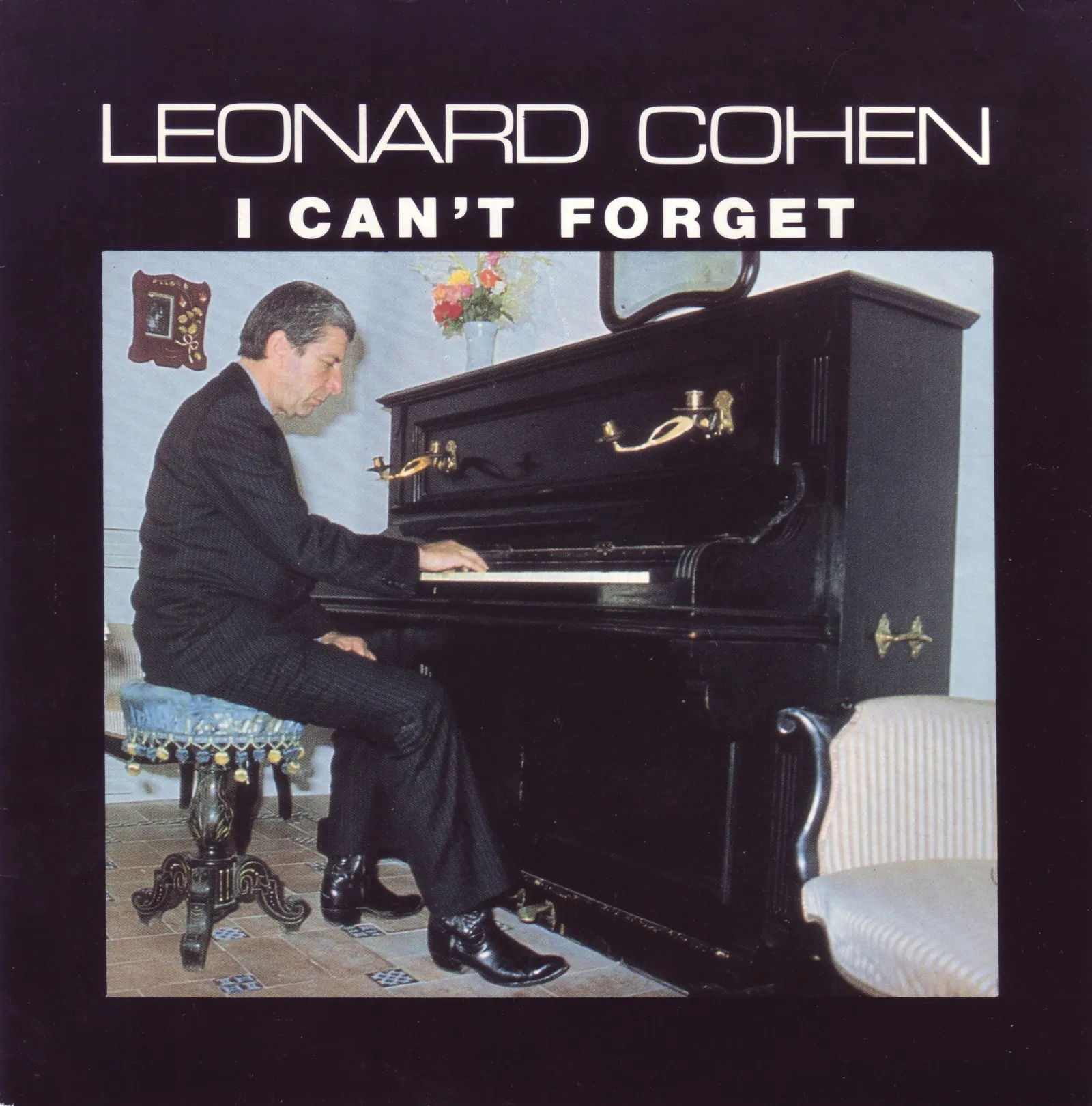
I Can’t Forget (1988) – Leonard Cohen

I can’t forget that I miss you Leonard…

Leonard Cohen’s 1988 album I’m Your Man is a magnificent album. I would highly recommend anyone unfamiliar with Leonard’s music to try it on for size because it bottles everything he is so damn good at: like romance, poetry and devotional music – It’s is all here, and he’s at the peak of his powers doing it. I’m Your Man was hailed by critics as a return to form and went silver in the UK and gold in Canada. In the original Rolling Stone review, David Browne called it “the first Cohen album that can be listened to during the daylight hours.” Tom Waits named it one of his favourite albums.

Today’s featured track I Can’t Forget is the third song to be presented here from the album after the previous entry – Everybody Knows. This song would make it into my music library project based on its Chorus alone:

And I can’t forget (I can’t forget)
I can’t forget (I can’t forget)
I can’t forget but I don’t remember what


In contrast to nearly all other artists who I present here, when I present a Leonard Cohen song, I typically relay all of his lyrics or rather ‘poetry’ because it would feel like sacrilege to not present it in its entirety. Unlike Bob Dylan who I would class first and foremost a singer-songwriter I would label Leonard Cohen as principally a ‘Poet’. He could recite these lyrics without music and I would still read or listen to them.

I Can’t Forget draws upon a a relationship; an echo of someone, a memory which drew Leonard here. He prefers to revisit the feelings which memories of love, sex and emotion elicit. This act of remembering, not so much a specific relationship, but of memories more generally, even if he’s unsure of what they exactly are. Time has taken its toll and as Cohen looks at his older unfit-for-the-“struggle” self, he realizes he is no longer what he sees in the mirror. He has been left behind, somewhere. All he is now are the memories. He can’t point to any one of them (“I can’t remember what”) but at the same time he could never “forget”.

[Verse 1]
I stumbled out of bed
I got ready for the struggle
I smoked a cigarette
And I tightened up my gut
I said this can’t be me
Must be my double

[Chorus]
And I can’t forget (I can’t forget)
I can’t forget (I can’t forget)
I can’t forget but I don’t remember what

[Verse 2]
I’m burning up the road
I’m heading down to Phoenix
I got this old address
Of someone that I knew
It was high and fine and free
Ah, you should have seen us

[Chorus]
And I can’t forget (I can’t forget)
I can’t forget (I can’t forget)
I can’t forget but I don’t remember who

[Bridge]
I’ll be there today
With a big bouquet of cactus
I got this rig that runs on memories
And I promise, cross my heart
They’ll never catch us
But if they do, just tell them it was me

[Verse 3]
Yeah I loved you all my life
And that’s how I want to end it
The summer’s almost gone
The winter’s tuning up
Yeah, the summer’s gone
But a lot goes on forever

[Chorus]
And I can’t forget (I can’t forget)
I can’t forget (I can’t forget)
I can’t forget but I don’t remember what

References:
1. I’m Your Man (Leonard Cohen album) – Wikipedia

Tagged with: , ,
Posted in Music

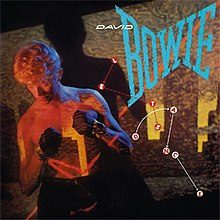
Let’s Dance (1983) – David Bowie

Let’s Dance is the first single and titular track from David Bowie’s 1983 album Let’s Dance. It is the second featured song here from the album after the previous entry – Modern Love. As I have remarked before, it has taken me years to warm to and appreciate the music of David Bowie (especially his 80’s material) including today’s featured track. My regard for this funk, post disco sound had never been high especially when it was popular, but now I appreciate Bowie’s sound more than ever. I hope I am able to explore more of his expansive discography in the following years.

I saw an interview-documentary on him on the Film and Arts channel. It was my second viewing of it and his interpretation of his ‘own’ artistry and delivery style was captivating. He’s a very eloquent speaker and someone who sounds as fascinating in interview format as they do on stage. There are few singer-songwriters who I value listening to interpreting their own music, but David Bowie is definitely one of the exceptions.

Let’s Dance was a direct shift from the post-punk and art rock sound Bowie experimented with on his 1980 album Scary Monsters (And Super Creeps) to a funk, post-disco, and dance pop sound. This stylistic change aligned Bowie with the popular music of the ‘80s and led to Let’s Dance becoming one of Bowie’s biggest-selling tracks. It topped the charts in the UK, the US, Ireland and New Zealand, and reached #2 in Austria, Australia and Germany.

[Verse 1]
(Let’s dance) put on your red shoes and dance the blues
(Let’s dance) to the song they’re playing on the radio
(Let’s sway) while colour lights up your face
(Let’s sway) sway through the crowd to an empty space

[Chorus]
If you say run, I’ll run with you
And if you say hide, we’ll hide
Because my love for you would break my heart in two
If you should fall, into my arms and tremble like a flower

[Refrain]
(Let’s dance)
(Let’s dance)

The following information was cherry-picked from the Wikipedia page below:
Let’s Dance was recorded in late 1982 at the Power Station in New York City. Co-produced by Nile Rodgers of Chic, it was recorded in late 1982 at the Power Station in New York City. With the assistance of engineer Bob Clearmountain, Rodgers transformed the song from its folk rock origins to a dance number through studio effects and new musicians Bowie had yet to work with. Bowie hired then-unknown Texas guitarist Stevie Ray Vaughan, who added a blues-edge. Bowie has said that the original demo of the song was “totally different” from Nile Rodgers’ arrangement.

The music video for Let’s Dance below was directed by David Mallet in March 1983 in Australia at a bar in New South Wales and at the Warrumbungle National Park. Bowie chose to include residents of the town of the bar, most of whom had no knowledge of who David Bowie was or why they were shooting a video. The video includes multiple references to the Stolen Generations, which were the Aboriginal children who were forcefully removed from their families by Australian government agencies of the British settlers. These references constitute part of the several statements by Bowie featured on the album concerning the integration of one culture with another.

References:
1. Let’s Dance (David Bowie song) – Wikipedia

Tagged with: , ,
Posted in Music

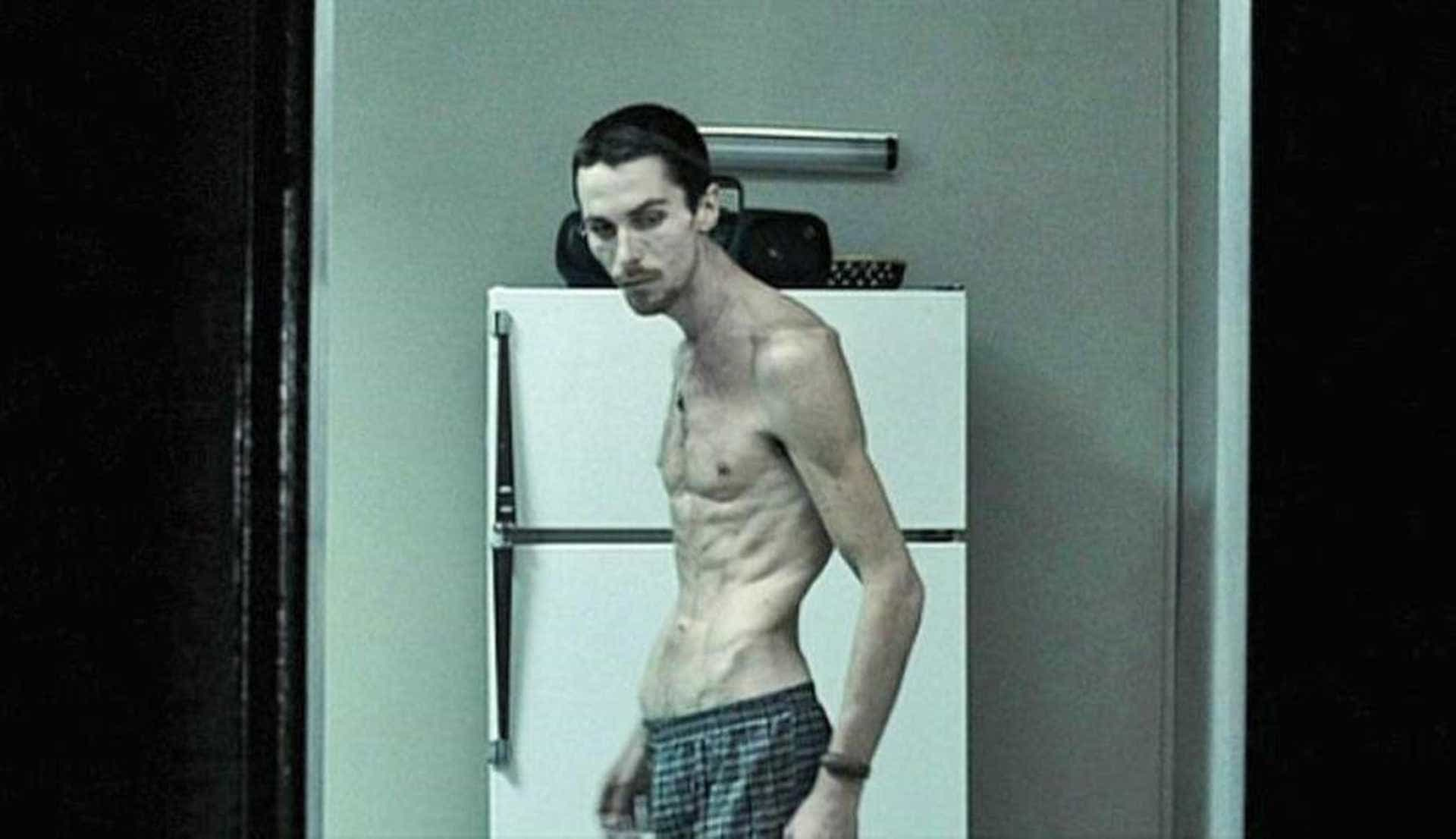
The Machinist (2004) – Brad Anderson (Friday’s Finest)

The Machinist was Christian Bale’s break-out movie as an actor. He deserves all the plaudits for his dedication here, not just because of his preparation having lost 62 pounds (28 kg) for the role, but his chameleon-like envelopment of the protagonist is exemplary of character-acting. You could be forgiven for forgetting you are witnessing one of the most current recognisable stars being born. He was paid just $250,000 for his role here. Not unlike his unforgettable character portrayal in The Fighter (where he won his first Oscar), The Machinist enables Bale to strut his stuff and he does so precariously, but convincingly on a knife’s edge.

Storyline:
Trevor Reznik is a lathe-operator who suffers from insomnia and hasn’t slept in a year. Slowly, he begins to doubt his sanity as increasingly bizarre things start happening at work and at home. Haunted by a deformed co-worker who no one seems to think exists, and an ongoing stream of indecipherable Post-It notes he keeps finding on his fridge, he attempts to investigate what appears to be a mysterious plot against him and, in the process, embroils two women in his madness.

The Machinist is a taut, but highly intense psychological thriller that I have seen several times. The Machinist warrants revisiting like David Fincher’s Fight Club because there are many cues about the protagonist’s fate and mental state as the plot unfolds that most viewers would not be conscious of from a single viewing. What I find so evocative and surreal about his psychological unravelling is beneath it all there is an underpinning ‘Logos‘ – ‘a divine animated pervading force’ which resonates deep within his pathology which is giving him in incremental clues on how he can achieve a sense of reality and identify with who he really is. I think that is the same for all of us if we are willing to succumb to its teachings for the betterment of ourselves. The twist is magnificent and one for the ages.

The Machinist was well received by critics, with praise for Bale’s performance, and grossed $8.2 million on a $5 million budget. In later years it has gained a cult status. The music soundtrack is a straight-up homenaje to that found in Hitchcock. Despite the movie’s setting in California, the film was shot in its entirety in and around Barcelona, Spain. Christian Bale strenuously dieted for over four months prior to filming, as his character needed to look drastically thin. According to a biography of Bale written by his former assistant, this daily diet consisted of “water, an apple and one cup of coffee per day, with the occasional whiskey” (approximately 55–260 calories). At the end of filming he was left with just six weeks to regain enough mass to be ready for the screen test for his role in Batman Begins, which he achieved through weightlifting and binging on pizzas and ice cream.

The strongest literary influence is the Russian novelist Fyodor Dostoyevsky whose works have featured in this blog multiple times. In the DVD commentary, writer Scott Kosar states that he was influenced by Dostoyevsky’s novel The Double.

References:
1. The Machinist – IMDB
2. The Machinist – Wikipedia

Tagged with: ,
Posted in Movies and TV

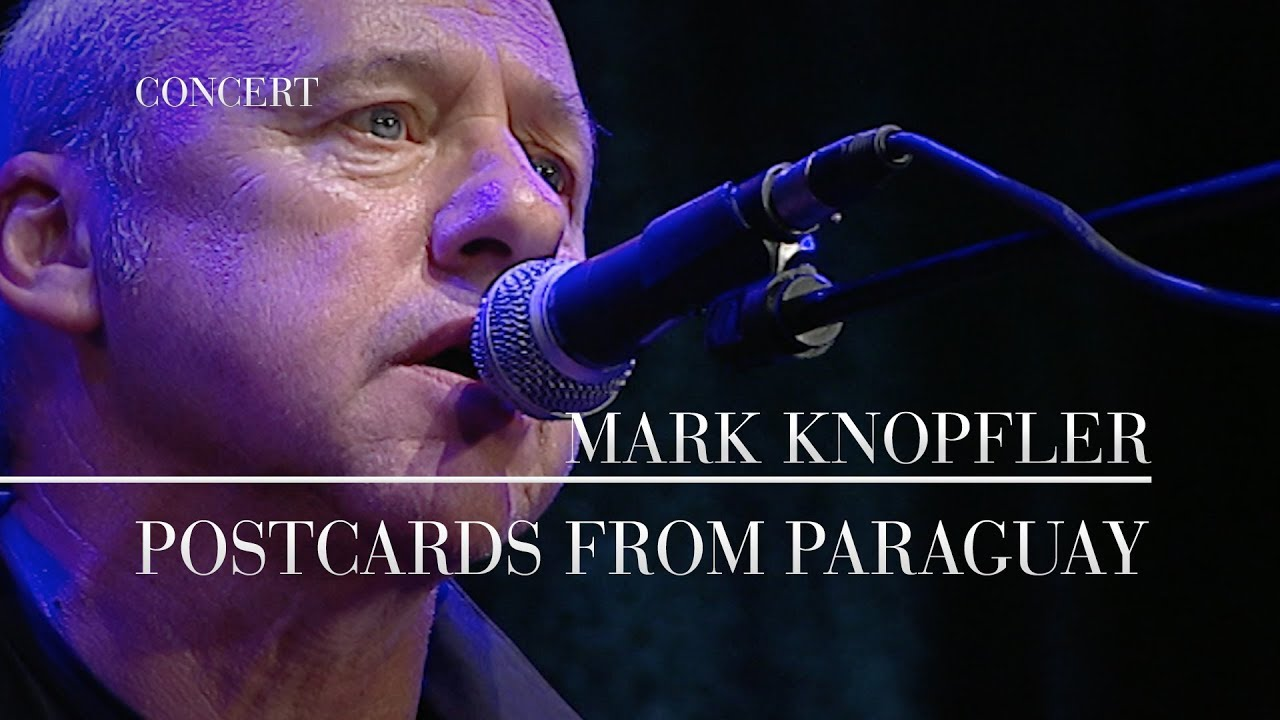
Postcards From Paraguay (2004) – Mark Knopfler

Anyone who is familiar with my blog will know what a big admirer I am of Mark Knopfler. He has been on my playlist for years and has featured here prominently. A lot of his solo music (post Straits) is intimate, unassuming and restrained. No fancy fireworks solos… just pure groove and feel. I have presented the original studio version of today’s featured track Postcards From Paraguay and below that a live performance from the Meistersaal, Berlin on the 10th September 2007 filmed and broadcast by German TV station. Just last night I was watching Paraguayan football team (Nacional) comfortably dispense with Colombian team (Atletico Nacional) in the Copa Libertadores (South American Club football tournament). Paraguay is a South American country located in the southern central region.

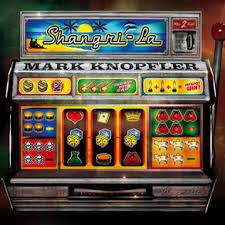
Postcards From Paraguay is the second song to be presented here from Mark Knopfler’s fourth solo studio album Shangri-La . The previous entry was the title-track. In March 2003, Knopfler was involved in a motorbike crash in Grosvenor Road, Belgravia, and suffered a broken collarbone, broken shoulder blade, and seven broken ribs. Knopfler spent seven months away from the guitar in physiotherapy, but eventually recovered and was able to return to the studio in 2004 for his fourth album and supporting tour the following year.

[Verse 1]
One thing was leading to the next
I bit off more than I could chew
I had the power to sign the cheques
It wasn’t difficult to do

[Chorus]
I couldn’t stay and face the music
So many reasons why
I won’t be sending postcards
From Paraguay
From Paraguay
From Paraguay

[Verse 2]
I robbed a bank full of dinero
A great big mountain of dough
So it was goodbye compañero
And cheerio

“Postcards From Paraguay”: I imagined some errant individual doing a runner with the stolen loot. Someone suggested to me recently that the album is partly about the honest toiler versus those who thrive on ill-gotten gains. Perhaps the subject has been more on my mind in these days of corporate crime.

– Mark Knophler

References:
1. Shangri-La (Mark Knopfler album) – Wikipedia
2. Stories From Shangri-La / Interview with Mark Knopfler

Tagged with: , ,
Posted in Music

Positively 4th Street (1965) – Bob Dylan

When I was at my brother’s place in Nowra on the South Coast of New South Wales, Australia cerca 2005, I decided to go to the local tavern and blow the froff off a few. It was Karaoke night and when I felt animated yet relaxed, I delved into their music catalogue. My first instinct was to see what selections by Dylan were available. Today’s featured track Positively 4th Street was my choice. When I look back on it now that choice of song could have got me into trouble if anyone was listening. This song always makes me smile from a compositional perspective. It never delivers that chorus, and it always feels like it’s right around the corner. Positively 4th Street is one of Dylan’s biggest hits reaching No. 1 in Canada, No. 7 in the U.S and No. 8 in the UK.

The song was first recorded in New York in July 1965 and released by Colombia records in September that year between Highway 61 Revisited and Blonde on Blonde record. Positively 4th Street was a follow-up to Dylan’s hit single Like a Rolling Stone, but was not included on any studio album. By modern standards, it seems incredulous that a song of this quality could go without an album home.
The song’s title does not appear anywhere in the lyrics and there has been much debate over the years as to the significance or which individual the song concerns. Many argue the song is Dylan’s reaction to being booed at the Newport Folk Festival on the 25th of July 1965 when he infamously showed up on stage playing electric guitar. This scene is re-enacted in Todd Haynes’ 2007 Dylan biopic I’m Not There. Others have attributed the song’s meaning to be a rebuke of fellow Greenwich Village folk-singer Phil Ochs, and even a scathing dig at former lover Joan Baez.

According to Rolling Stone magazine, this song is about all the naysayers and plastic people Dylan encountered during his time in Greenwich Village (when he lived on West 4th street) and his stint on fraternity row at the University of Minnesota (located on 4th Street in Minneapolis). The song deals allegedly with the jealousy he encountered from people in the artistic community who resented his success.

Positively 4th Street is an unforgettable artistic achievement on so many levels as discussed below. It’s such a short and simple song — just verses, no choruses, and no bridge, and yet makes such an impact.

The beauty of the track is the juxtaposition that Dylan offered, with an unbridled disdain which he parades on a sanguine soundscape to give the impression of pure hard-earned indifference. It packs all the same punch and caustic acerbic wit, riding along on a slightly sweeter organ tone. Dylan’s singing really works well on this track; he really nails the melody and the emotion. The gem in the crown of this piece of folk-rock perfection is the very last verse, perhaps one of the best break-up verses ever penned: “I wish that for just one time you could stand inside my shoes / And just for that one moment I could be you / Yes, I wish that for just one time you could stand inside my shoes / You’d know what a drag it is to see you.”

Far Out article

Added (22/9/2025):

Bob Dylan Performs, Positively 4th Street, at Outlaw Festival, Saratoga Springs 2 August 2025
Concert video at Music Legend

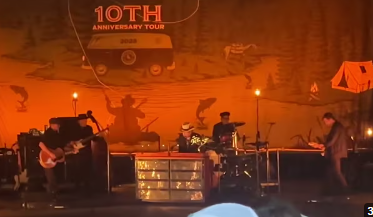
Two blogger friends – Max (PowerPop) and Christian (@Music Musings), had the good fortune to see Bob Dylan recently on the 10th anniversary Outlaw Music Festival. So naturally, I have been paying closer attention to performances from Dylan on the tour on my YT feed. Lo and behold, this fantastic performance of Positively 4th Street turned up – a song I wrote about here back in February last year. Max and I agreed this rendition comes pretty close to the original. Also, he pulls off some magic with his vocal intonations. Two other performances I love from the tour, both from the same show (20/6/25) which I added to my Music Library Project are the following:

Desolation Row I love his jangly saloon-bar piano playing. Just a fantastic sound from a bygone era. Despite being 84 years old he can always find a way to get something new out of a song, and

Under The Red Sky Bob’s vocals here are great. Wonderful performance of a very underrated song.

[Verse 1]
You got a lot of nerve
To say you are my friend
When I was down
You just stood there grinning
You got a lot of nerve
To say you got a helping hand to lend
You just want to be on
The side that’s winning

[Verse 2]
You say I let you down
You know it’s not like that
If you’re so hurt
Why then don’t you show it?
You say you lost your faith
But that’s not where it’s at
You had no faith to lose
And you know it

[Verse 3]
I know the reason
That you talk behind my back
I used to be among the crowd
You’re in with
Do you take me for such a fool
To think I’d make contact
With the one who tries to hide
What it don’t know to begin with

[Verse 4]
You see me on the street
You always act surprised
You say “How are you? Good luck!”
But you don’t mean it
When you know as well as me
You’d rather see me paralyzed
Why don’t you just come out once
And scream it

[Verse 5]
No, I do not feel that good
When I see the heartbreaks you embrace
If I was a master thief
Perhaps I’d rob them
And now I know you’re dissatisfied
With your position and your place
Don’t you understand
It’s not my problem

[Verse 6]
I wish that for just one time
You could stand inside my shoes
And just for that one moment
I could be you
Yes, I wish that for just one time
You could stand inside my shoes
You’d know what a drag it is
To see you

References:
1. Positively 4th Street – Wikipedia
2. The Story Behind The Song: Bob Dylan’s ultimate musical middle finger on ‘Positively 4th Street’ – Far Out

Tagged with: ,
Posted in Music

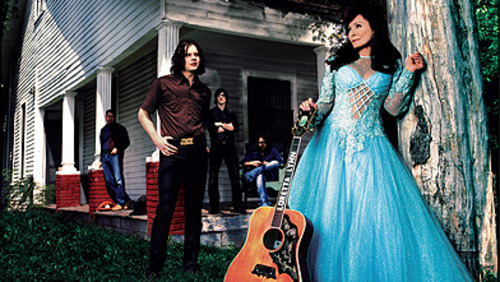
Portland Oregon (2004) – Loretta Lynn (Ft. Jack White)

After Loretta Lynn passed away, I spent the night listening to her Van Lear Rose album and finding again how great that album is. I would recommend taking a listen to this song. It works for country, rock, and pop. I love the opening line… Well, Portland, Oregon and sloe gin fizz, If that ain’t love then tell me what is, uh huh, uh huh. 

She did a lot for women in the business and paved the way for later stars. Songs like The Pill and X Rated were largely ignored by country radio at the time but that didn’t stop them from hitting No 1. She was one of the best songwriters in country history.

Loretta Lynn and Jack White – Portland Oregon – PowerPop.blog

Fellow music blogger Max (above) spoke about his time meeting Loretta Lynn:

When I was eight years old, my mom took me to Loretta Lynn’s ranch. I actually had breakfast with Loretta Lynn. My mom knew someone who knew her… we were at her Ranch that was just opened to the public. She saw us and pointed and said “come in here” and we sat at the table and ate with her. She was very nice. She kept asking if I needed anything and if I was having a good time.

She was one of the nicest human beings I’ve ever met. Even though I was young, she didn’t talk down to me…she talked to me. It was a wonderful experience and even I knew at that age it was special…that this didn’t happen all of the time.

She wrote about real-life situations with women during her career. Her songwriting was honest and pure.

[Verse 1-Loretta Lynn]
Well, Portland, Oregon and sloe gin fizz
If that ain’t love, then tell me what is, uh-huh uh-huh
Well I lost my heart, it didn’t take no time
But that ain’t all, I lost my mind in Oregon

[Verse 2-Jack White & Loretta Lynn]
In a booth in the corner with the lights down low
I was moving in fast she was taking it slow, uh-huh uh-huh
Well, I looked at him and caught him looking at me
I knew right then, we were playing free in Oregon

[Verse 3-Jack White & Loretta Lynn]
Next day, we knew last night got drunk
But we loved enough for the both of us, uh-huh uh-huh
In the morning when the night had sobered up
It was much too late for the both of us in Oregon

[Verse 4-Loretta Lynn & Jack White]
Well, sloe gin fizz works mighty fast
When you drink it by the pitcher and not by the glass, uh-huh uh-huh
Hey bartender, before you close
Pour us one more drink and a pitcher to go

References:
1. Portland Oregon (song) – Wikipedia

Tagged with: , , ,
Posted in Music

The AnkiDroid Collection (Part 54) – Huckster, Mestizo & Scoliosis

Ankidroid additions related to Science, History and Philosophy. More information about Anki can be found in this article.

Huckster

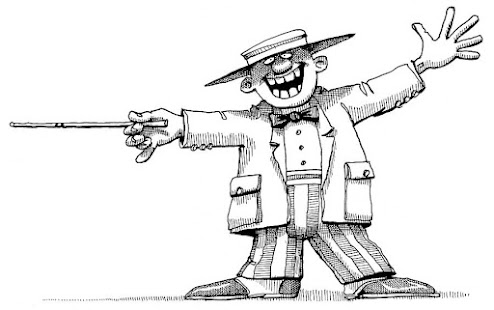
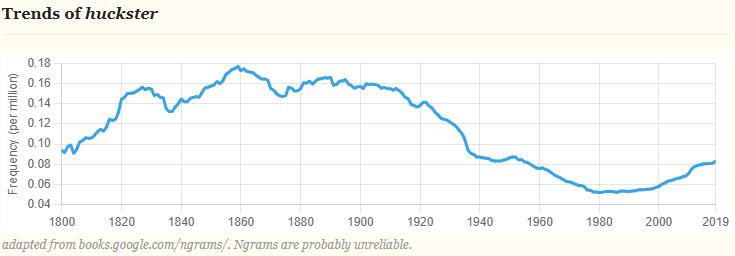
A Huckster is one who uses aggressive, showy or devious methods to promote or sell a product. The original meaning of huckster is a person who sells small articles, either door-to-door or from a stall or small store, like a peddler or hawker. The term probably derives from the Middle English hucc, meaning “to haggle”. During the medieval period, the word assumed the feminine word ending “ster” as in huckster, reflecting the fact that most hucksters were women.

Mestizo (adj.)

Mestizo refers to “Offspring of a person of mixed blood,” especially a person of mixed Spanish and Amerindian parentage,” 1580s, from Spanish mestizo, Portuguese mestiço, “of mixed European and Amerindian parentage,” from Late Latin mixticius “mixed, mongrel,” from Latin mixtus “mixed,”

Scoliosis

Scoliosis is a condition in which a person’s spine has an abnormal sideways curvature. The curve is usually S- or C-shaped over three dimensions. In some, the degree of curve is stable, while in others, it increases over time. Mild scoliosis does not typically cause problems, but more severe cases can affect breathing and movement. It is from Latinized form of Greek skoliosis “crookedness” from skolios “bent, curved“. As per the diagram above it is distinguished from lordosis and kyphosis.

Tagged with: , ,
Posted in Reading

Hold Me Up (1994) – Live

Hearing Live’s music from their classic Throwing Copper record transports me back to Mornington in Southeast Melbourne and the golden age alt-rock scene. It seems to me ‘The Nineties‘ was a good decade in many respects and the music it contains reflect it. Extraordinarily, a previously unreleased track Hold Me Up is the third song to be presented here from Live‘s third studio record Throwing Copper after their previous entry All Over You.  The album sold 8 million copies and hence certified 8× platinum. The cover art (see inset) is a painting by Scottish artist Peter Howson titled Sisters of Mercy. In 2005, it was sold for $186,000 by Christie’s in New York. 

I think Hold Me Up is about the ebb and flow of a relationship, perhaps even some marriage vows, as the narrator says “All that to you in a church by the sea, Were late, but not in the same way, Were older today.” To me this sounds just like something that would be said at a marriage ceremony. Reading the lyrics from that perspective, they all make sense. He’s expressing his seemingly undying love for his partner. No matter the situation, he will always love her. In any case, it’s a very romantic song, set to rock.
Oh, and this song was played in the movie (during the sex scene) – Zach and Miri Make a Porno.

Hold me up in the palm of your hand
Lying to you is a river of sin
Your metaphors, your silent calls
Your feelings are too real
Let them spew, a fall from grace
Would do us good today

I’ll lift you up, we can love or cry
Hey, I’m in love, I’ll take you up again
Oh, oh…

All that to you in a church by the sea
We’re late, but not in the same way
We’re older today

According to songtell (written by A.I Help):  Hold Me Up explores the complexities of a relationship, highlighting the desire for support, honesty, and growth, as well as the shared commitment to overcoming obstacles together. The song captures the vulnerability, love, and potential for redemption within the context of this connection….The repetition of “Images we cannot leave behind” and “Like two riversides we roll back” refers to the lingering memories and shared experiences between the two individuals. 

References:
1. Throwing Copper – Wikipedia
2. Hold Me Up – Song Meanings
3. Hold Me Up – Songtell

Tagged with: , ,
Posted in Music

Follow Blog via Email

Enter your email address to follow this blog and receive notifications of new posts by email.

Join 780 other subscribers

← Back

Thank you for your response. ✨