
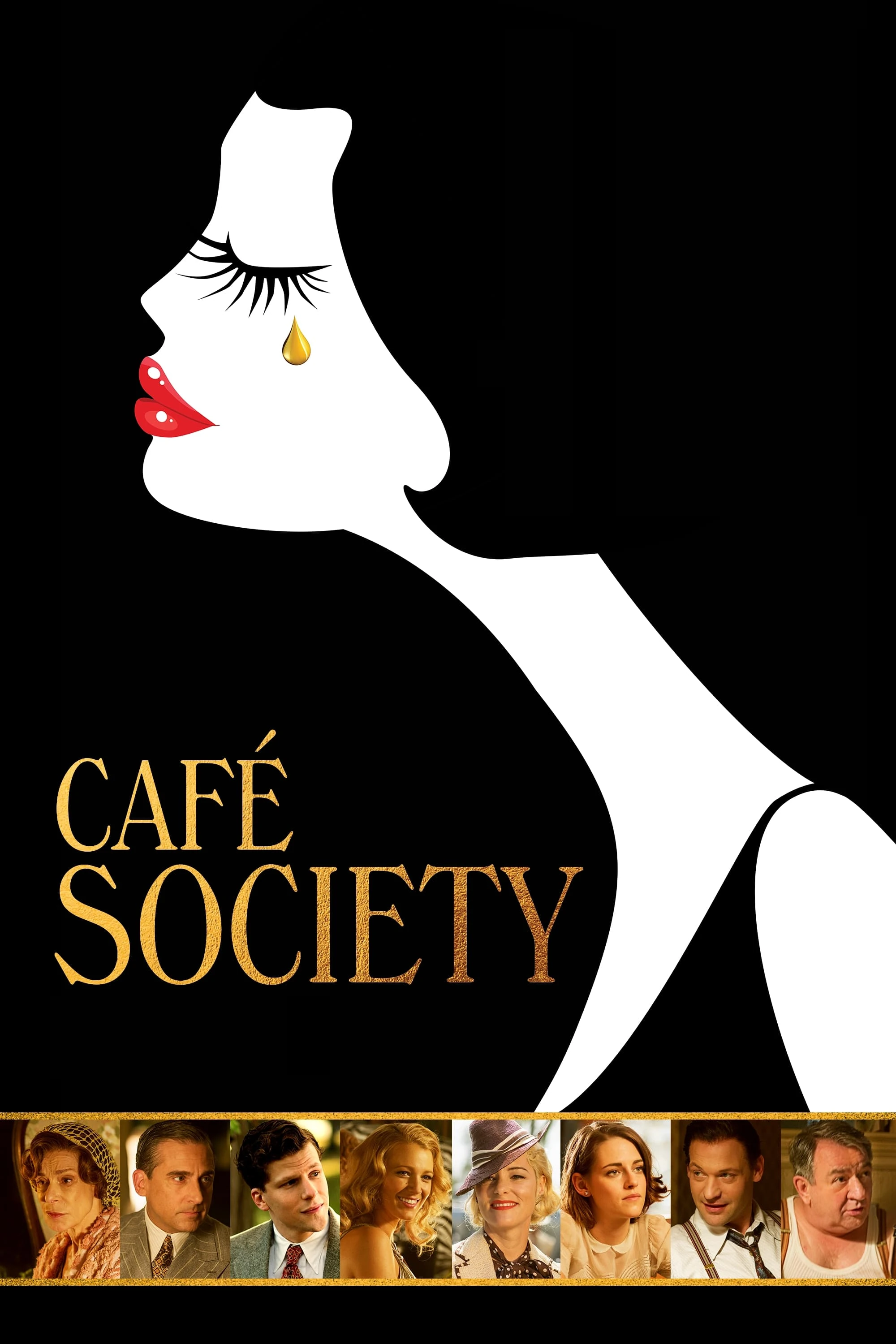
I hadn’t had as much fun watching a movie for a good while as I did watching Cafe Society by Woody Allen yesterday. Someone once wrote that you either get Woody or you don’t, and judging by the sharply contrasting opinions from both critics and audiences, I can certainly relate to that sentiment.
On IMDb, it especially criticised the film’s “weak writing,” which made me wonder if I’m living in a cinematic multiverse, given how much I found myself in awe of the writing. Although I’m not exactly a fan of some of the principal actors, and despite what I felt was some miscasting – especially in the roles played by Kristen Stewart and Steve Carell – there still wasn’t a dull scene in the movie. This was due in part to the glorious cinematography and production design, but above all, the witty and enriching writing.
Woody has not made it a secret that one of, if not his biggest inspiration as a director is the Swedish filmmaker Ingmar Bergman, and I can wholeheartedly share in his deep admiration since Ingmar’s movies have featured here a bunch. I can see how Woody fuses the massive existential questions and then acutely wires them into his movies, as he does with Match Point, Blue Jasmine, Magic in the Moonlight to name but a few, and they have all featured here as well despite receiving less than ravenous praise, bar Jasmine.
Below is the IMDb story line, though this is a film best consumed like a strong Martini – slowly, and without knowing too much beforehand. And believe you me, nearly every drink in this earlier period drama of 1930s Hollywood is on the menu, but the less you know about it the better, so I’d hesitate before reading it if that’s what you’re going to do:
IMDB Storyline:
In 1930’s Hollywood, the powerful agent, Phil Stern, is attending a party and receives a phone call from his sister living in New York. She asks for a job for her son and Phil’s nephew, Bobby, who decided to move to Hollywood. Three weeks later Phil schedules a meeting with Bobby and decides to help him. He asks his secretary Veronica “Vonnie” to hang around with Bobby, showing him the touristic places. Bobby immediately falls in love with Vonnie, but she tells that she has a boyfriend, a journalist that travels most of the time. However, Vonnie’s boyfriend is indeed a married man that is also in love with her and soon she has to make a choice between her two loves.
Towards the end of this great film, which I found myself applauding through the end credits while wondering as usual how Woody did it, the movie somehow raises the most fantastic existential concerns and shines such a wondrous light on them, but in such a darkly comical way. Take for example (small spoiler alert) …..this gem of a line when the Jewish family reflect on how dismayed they are that their gangster brother, sentenced to death in the electric chair, decides to turn to the Catholic faith because it offers an afterlife.
It’s delivered by the character Rose Dorfman: “Too bad the Jewish religion doesn’t have an afterlife. They’d get a lot more customers.”
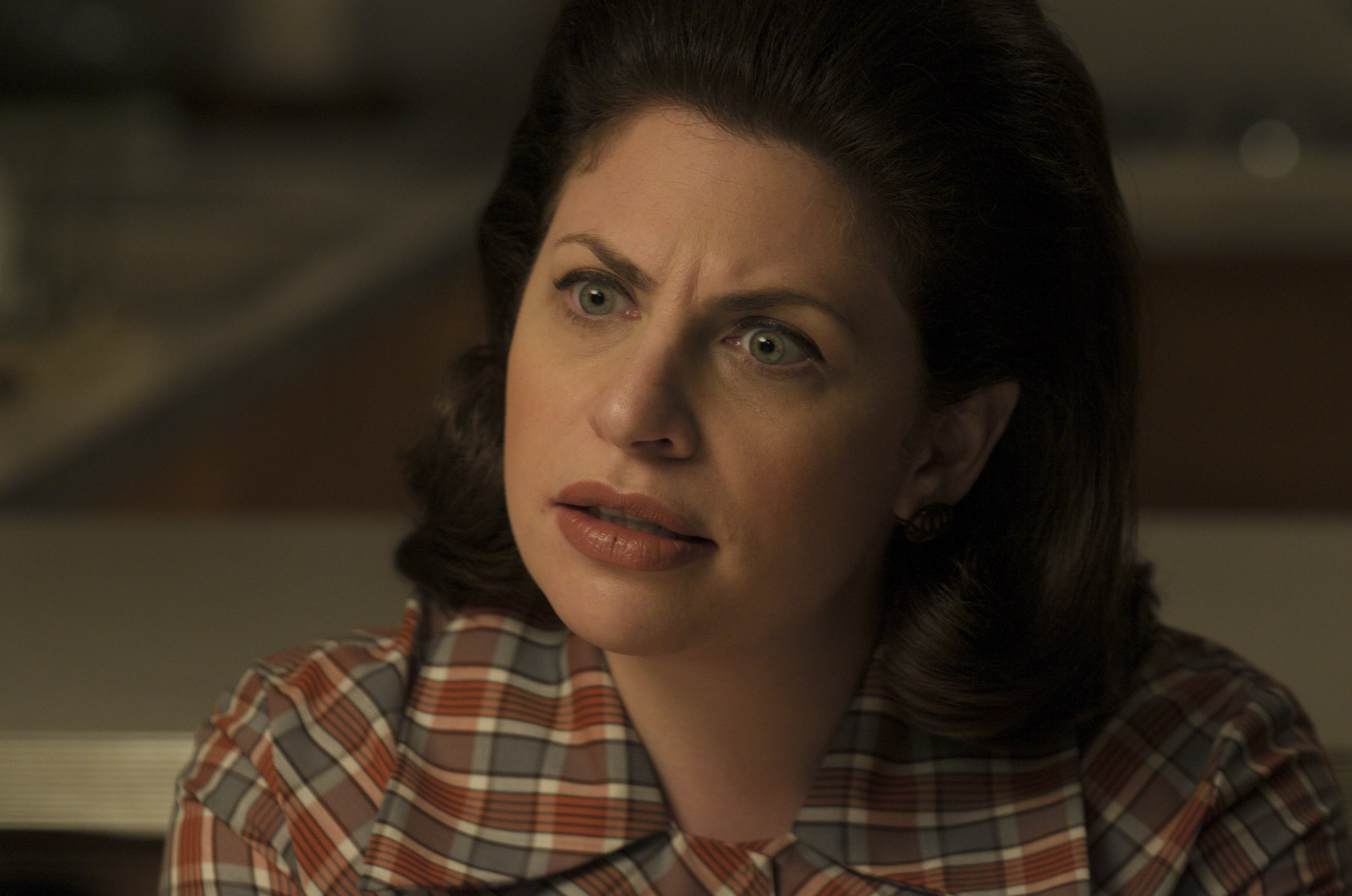
It’s the small acting parts in this movie that give it all its juice, and you realise it’s the sum that becomes bigger than the whole, and Woody gets that. I gotta tell ya, there is a side story involving the protagonist’s Jewish sibling, magnificently played by Sari Lennick, who was also the wife in Serious Man, which I featured here by the Coen Brothers.
She is just so good here, as she is in A Serious Man, and embodies what is so nuanced and special about the movie aside from all the shenanigans of the convoluted plot. Her and her husband’s side story, brilliantly played by Stephen Kunken, is as authentic and loving as a story you’ll see in cinema, and the aftermath of having told on their neighbour’s abhorrent behaviour is one for the movie annals.
I could go on and on about this movie, but you should just go and watch it. Thanks as usual for reading. I would love to know your thoughts on this movie if you’ve seen it.

“The more I live, the more I learn. The more I learn, the more I realize, the less I know.”- Michel Legrand


 Observation Blogger
I feel like I’m up and down with Allen’s films, though have enjoyed most of what I’ve seen. This one sounds like one to add to the list, so thanks for the recommendation.
I’ve seen a couple of forgettable films from him, but when he’s mostly on – there are few other directors I feel more engaging.
Thanks for reading the article. I hope you get to see the film.
My pleasure, thanks for sharing it. I couldn’t agree more with you on that sentiment. I’ve added it to our list of movies to watch for.