
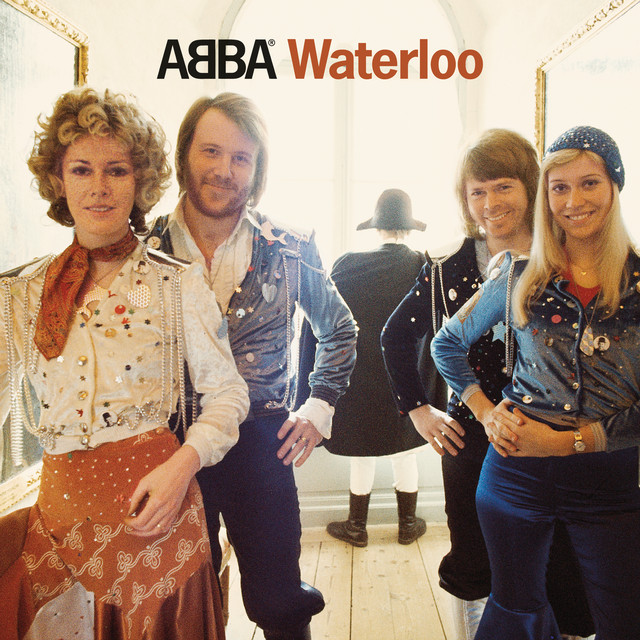
Despite all the offshoots, including musicals and movies, that the Swedish pop group ABBA has produced, that spectacular harmony created by the two ladies, namely Agnetha Fältskog and Anni-Frid Lyngstad, has never been matched. ABBA remains something of an enigma because their pure talent as singers and songwriters for producing pop hits was immense.
They were a true global sensation of the 1970s that caused a fervour and frenzied mania among both fans and the press that perhaps only the Bee Gees during their disco phase, particularly with the soundtrack album Saturday Night Fever, were able to rival.
I remember seeing an ABBA documentary where Benny and Björn described locking themselves away in a secluded cabin in the snow to work. It was much like what you might imagine a dedicated author doing while writing a book, and it was no easy task.
While their songs have saturated radio and other media, are instantly distinguishable, and might sound effortless, there is no doubting how finely crafted these pop songs are. Their composition is outstanding and would have taken enormous dedication to achieve, making the difficult look very easy.
Today’s featured song, Waterloo, launched ABBA onto the world stage and remains one of their most recognisable songs, alongside Dancing Queen.
The music of ABBA featured prominently in the much-underrated Australian movie Muriel’s Wedding, which I featured here on my Friday’s Finest segment back in 2021. The movie helped introduce the group to a younger generation. Waterloo is also performed in the movie, which I have included at the bottom of this post.
Wikipedia:
Waterloo was their first single and title track from their second album, and also the first to be credited performing under the name ABBA. It also represented Sweden in the 19th edition of the Eurovision Song Contest held in Brighton, England, famously winning the contest. It topped the charts in several countries, reached the Top 10 in the United States.
The title and lyrics reference the 1815 Battle of Waterloo and use it as a metaphor. The music was composed by Benny Andersson and Björn Ulvaeus and the lyrics written by Stikkan Anderson. The song’s production style was influenced by Phil Spector’s Wall of Sound. Furthermore, ABBA had also originally cited the song See My Baby Jive, by English glam rock band Wizzard, as a major influence (it was produced in the same style and has a similar structure).
References:
1. Waterloo (song) – Wikipedia

“The more I live, the more I learn. The more I learn, the more I realize, the less I know.”- Michel Legrand


My OH is a BIG ABBA fan
Super Sheree. Does he have a favourite of the 4?
TBH, I’m not sure which is his favourite.
Ok, I always had a thing for Agnetha Fältskog ;-P
Sorry, I thought you meant favourite song!
Haha
I couldn’t stand them back in the 70s. I like them now, though.
I have a somewhat contrarian perspective. I couldn’t get enough of them in my early youth. Now I can only take their music in small doses. That’s not to take anything away from their amazing accomplishments especially regarding songwriting and those perfect harmonies.
I’m like that with other artists. Couldn’t get enough of them when I was young & now only in the smallest of doses.