
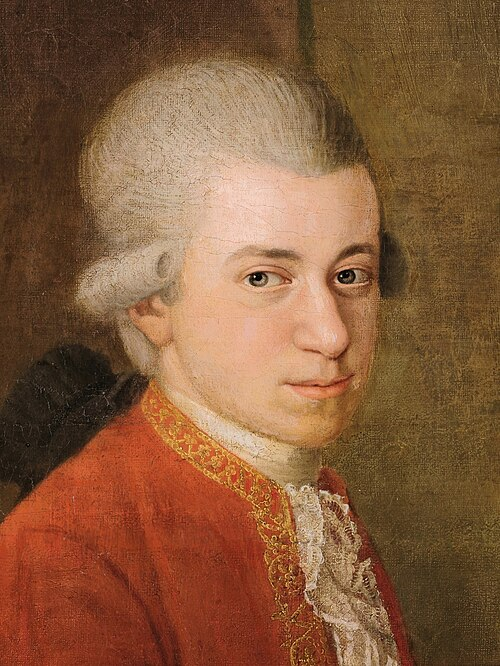
Wolfgang Amadeus Mozart was just 17 years old when he wrote this. Let that sink in for a moment. It’s hard to imagine the kind of beauty that must have stirred in him as he composed it – something almost sacred in its feeling. There’s a sense of exuberance, anticipation, and lightness that reflects his youth.
A lot of classical music can sound serious and weighty, but Mozart’s work can often feel bright, spirited, and radiant. You can picture him writing this, full of energy and excitement. It has a light, almost chamber-like style, yet there is still an impulsive drive behind it.
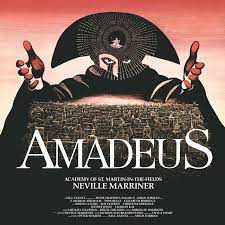
Symphony No. 29 is one of Mozart’s better-known early symphonies. It also appears in the Amadeus film, which is where I first heard it. Just about every piece from that soundtrack has found its way into my music library – it remains my favourite film soundtrack, as I’ve mentioned many times.
The film itself sits at No. 1 on my Favourite Movies List. It goes without saying that Mozart features here more than any other classical composer.
According to Wikipedia:
The symphony is scored for two oboes, two horns (in A, with the second movement in D), and strings. The first movement is in sonata form, with a graceful main theme marked by an octave drop and strong horn passages.
At 17, Mozart was working as a musician at the Salzburg court, but he was already growing restless and travelled in search of better opportunities. One reason was his low salary – about 150 florins a year. He also longed to compose operas, and Salzburg offered only limited chances to do so.
References:
1. Symphony No. 29 (Mozart) – Wikipedia
2. Wolfgang Amadeus Mozart – Wikipedia

“The more I live, the more I learn. The more I learn, the more I realize, the less I know.”- Michel Legrand


He was truly a prodigy
Yes, totally! To quote the Salieri line from Amadeus:
“He had been making music since he was five years old… five!
He wrote his first concerto at the age of nine… and his first symphony at twelve.”
A wonderful bit of music, and a great selection from the album we recently chatted about on here. This piece has a light, airy feel that has broad appeal. Great choice.
And truly remarkable, the output of this fellow, throughout his tragically short life. Time to watch that movie again!
My kids and I watch it almost annually – so I think you’re right. It’s about that time.
Indeed!
Yes, exactly – you can hear why it has such broad appeal. It’s a gorgeous little piece that always puts a spring in my step whenever I hear it. I must have listened to it over 50 times, and it still leaves me flabbergasted — just like so much of his music does every time I hear it.
He was a happy head. You can hear it in his music.
Happy head haha. Yes!