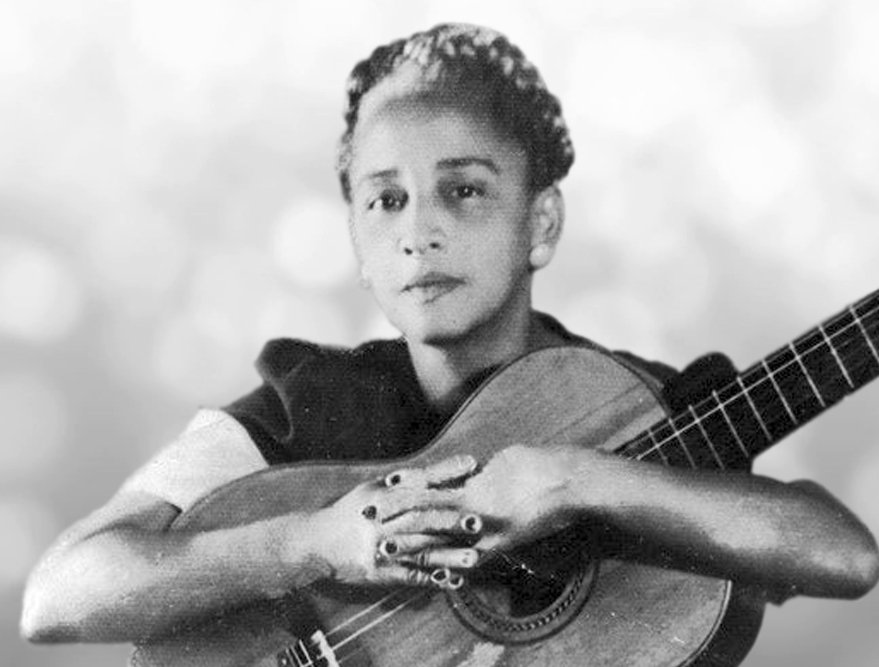
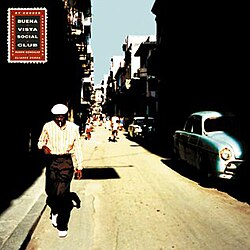
I first heard “Veinte Años” (Eng: Twenty Years) in the 1999 documentary celebrating Cuban music, Buena Vista Social Club (image inset). It’s hard to know where to begin with this iconic Cuban song, since it has been performed by many artists, but let’s start with its composer and singer, María Teresa Vera (1895–1965).
When María Teresa began her career around 1916, she was part of the Cuban trova tradition, which dates back to the late 1800s. These musicians – known as trovadores – were essentially travelling singer-songwriters. With guitars over their shoulders, they moved from place to place, performing their own compositions or popular ballads, earning modest pay. The comparison to medieval troubadours isn’t far off.
It wasn’t an easy space for women, but María Teresa stood out and she earned respect among trovadores and soneros, and is widely considered one of the first women to record Cuban popular music.
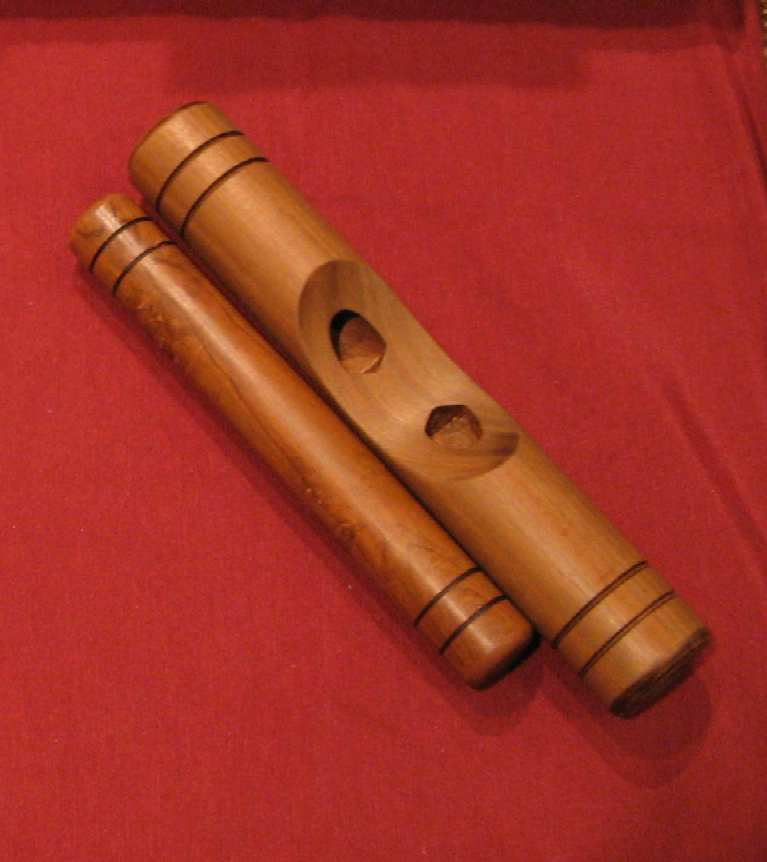
Trova wasn’t just one style. It included a mix of Cuban forms and rhythms such as the guaracha, punto, habanera, son, and the Cuban bolero, along with melodic influence from European music. Performances were usually simple: guitar accompaniment, sometimes claves, and one or two voices.
Veinte Años is a sorrowful telling of a love that has faded after twenty years. One person has fallen out of love, and it feels as though everything is lost. The lyrics are beautiful, but deeply sad, as they reflect a love that is no longer returned after so much time – twenty years. I was once the dream you lived for,/ now just a distant day / today I represent the past, / I can’t accept it.
You can watch the video below, which includes the full translated lyrics.
The earliest known recording dates back to 1956, performed as a duet by María Teresa Vera and Lorenzo Hierrezuelo – a version that laid the groundwork for all those that came after.
Cuban musician Silvio Rodríguez said of her:
Her voice was without vibrato, dry; hitting the notes, only prolonging a note so as to slide from one tone to another, which gave [her voice] a grace, or, much better, a singular character. Her production seemed nonchalant, natural, colloquial … Always there were variations on the original melody, [since] she was always interpreting [the piece] creatively.
Below, you can explore both that early recording and the later revival: the 1990s performance featuring Compay Segundo and Omara Portuondo, which helped bring the song to a global audience through Buena Vista Social Club.
Qué te importa que te ame / What does it matter that I love you
si tú no me quieres ya / if you don’t love me anymore?
El amor que ya ha pasado / Love that’s gone
no se debe recordar. / shouldn’t be remembered.
Fui la ilusión de tu vida / I was once the dream you lived for,
un día lejano ya, / now just a distant day
hoy represento el pasado / today I represent the past,
no me puedo conformar. / I can’t accept it.
Si las cosas que uno quiere / If the things one desires
se pudieran alcanzar / could be attained,
tú me quisieras lo mismo / you would love me the same
que veinte años atrás. / as twenty years ago.
Con qué tristeza miramos / With what sadness we watch
un amor que se nos va / a love slipping away
es un pedazo del alma / it’s a piece of the soul
que se arranca sin piedad. / torn out without mercy.
References:
1. María Teresa Vera: mucho más que “Veinte años” – OnCuban news
2. María Teresa Vera – Wikipedia

“The more I live, the more I learn. The more I learn, the more I realize, the less I know.”- Michel Legrand


It’s a nostalgic and melancholic track, the kind that belongs in a movie. For me, it’s made more potent knowing the songwriter’s story – the (sadly) typical experience of a woman trying to make it in the music industry.
Yes, Maria probably deserves her own biopic featuring her music given her great accomplishments.
I don’t doubt it. She’s in good company, considering all the women who have made it upstream against the crashing waves of male domination in music.
Yeh one lass springs to mind Rosie Hamlin, who wrote ‘Angel Baby’ below and didn’t get a penny. That song is so sick. https://youtu.be/9xm3qnh1sck
My son got me into the Buena Vista Social Club. When he was in high school, he played it all the time. I haven’t heard it in a long time. Time to cue it up!
That’s cool. Some of the songs from it have already appeared here including a documentary review. The documentary is excellent and I definitely need to revisit it.
You have a great weekend. Cheers.