
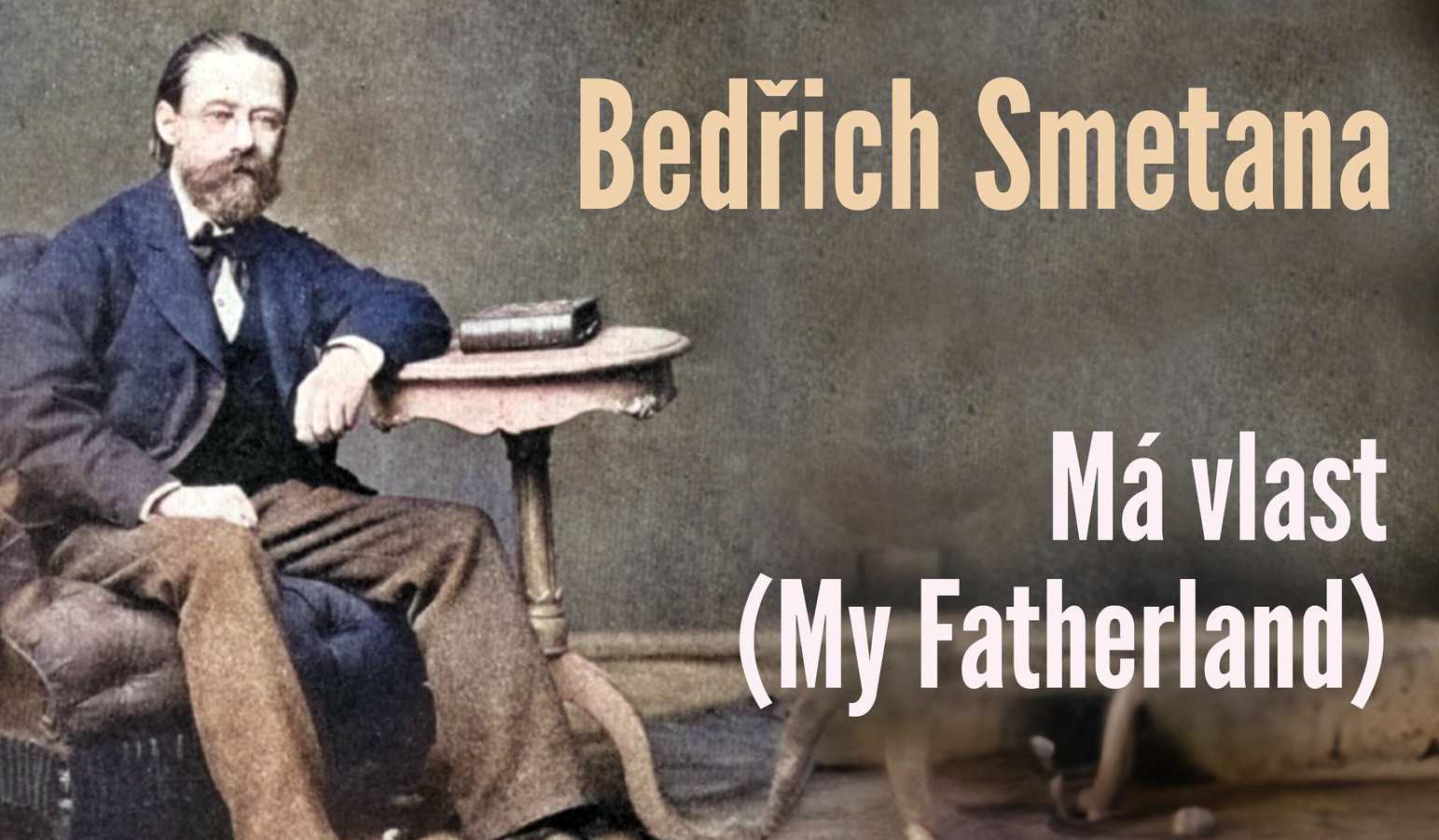
Not long ago, we explored Jean Sibelius’s Finlandia. Now we turn to another work strongly tied to national identity – Má vlast (My Fatherland) by Czech composer Bedřich Smetana. He wrote the six symphonic poems that form this cycle between 1874 and 1879, during the years he was gradually losing his hearing. The six pieces each show something different about the Czech lands.
Today’s piece is No. 2, Vltava (The Moldau), the best-known of the bunch. When I first played it, the opening minute gave me a real jolt of recognition – I could have sworn I was hearing the end credits of The Remains of the Day (1993), which happens to sit at No. 2 on my 100 Favourite Movies list. The similarity is striking; try listening to both and see if you hear it too.
The following was abridged from the Wikipedia reference below:
The six pieces, conceived as individual works, are often presented and recorded as a single work in six movements. They premiered separately between 1875 and 1880. The complete set premiered on 5 November 1882 in Žofín Palace, Prague, under Adolf Čech.
The works have opened the Prague Spring International Music Festival, on the 12 May anniversary of the death of their composer, since 1952.
Vltava, also known by its English title The Moldau, and the German Die Moldau, was composed between 20 November and 8 December 1874 and was premiered on 4 April 1875 under Adolf Čech. It is about 13 minutes long, and is in the key of E minor. It is the best known of the poems, often performed separately from the full work.
In this piece, Smetana uses tone painting to evoke the sounds of one of Bohemia’s great rivers. In his own words:
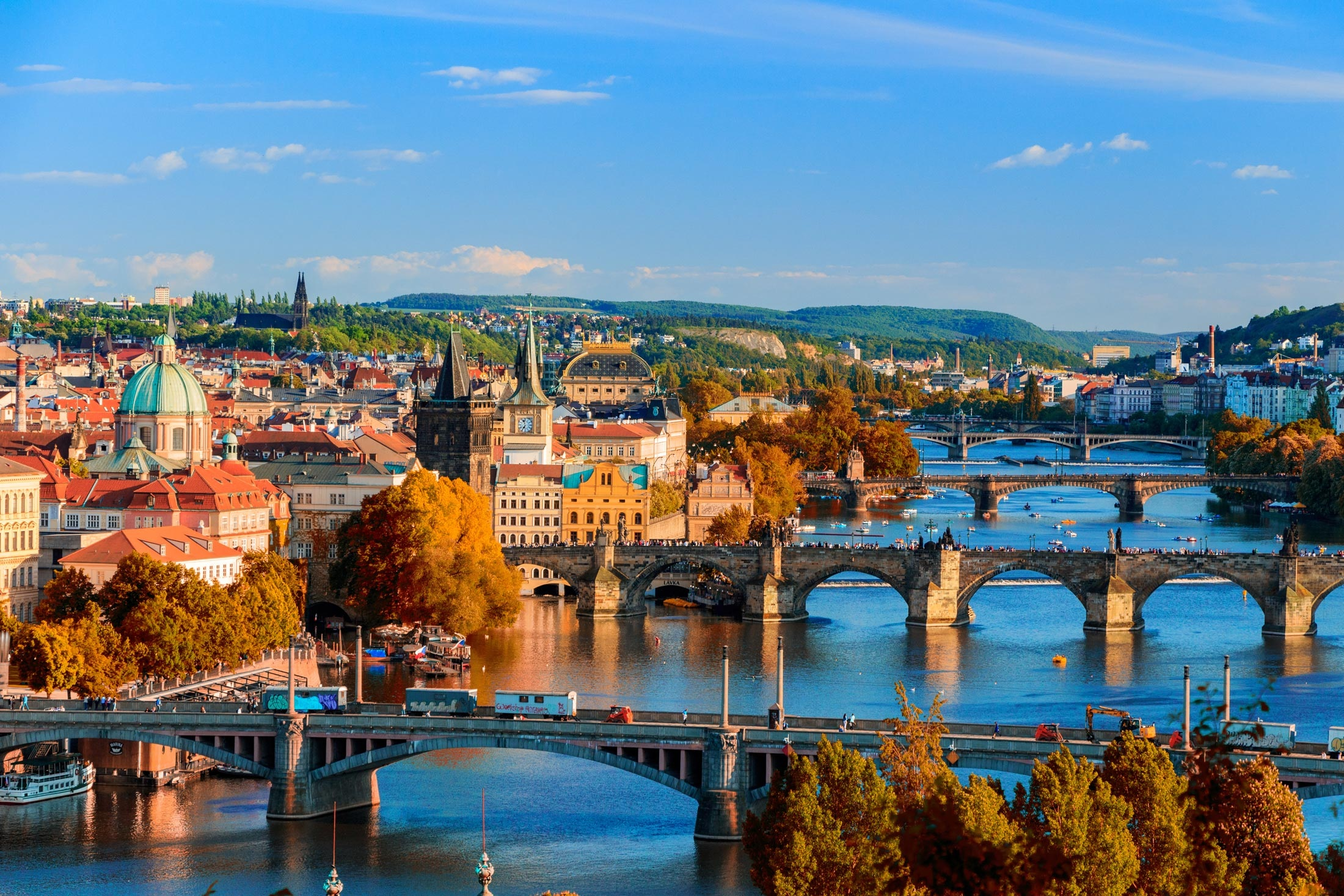
The composition describes the course of the Vltava, starting from the two small springs, the Studená and Teplá Vltava, to the unification of both streams into a single current, the course of the Vltava through woods and meadows, through landscapes where a farmer’s wedding is celebrated, the round dance of the mermaids in the night’s moonshine: on the nearby rocks loom proud castles, palaces and ruins aloft. The Vltava swirls into the St John’s Rapids; then it widens and flows toward Prague, past the Vyšehrad, and then majestically vanishes into the distance, ending at the Elbe.
References:
1. Má vlast – Wikipedia

“The more I live, the more I learn. The more I learn, the more I realize, the less I know.”- Michel Legrand


“Die Moldau” is the only work by Smetana I can name – beautiful! This takes me all the way back to music class in Germany in sixth or seventh grade where the music teacher played it to the class on vinyl. Afterwards, we dissected it. The discussion part I don’t recall. But the music did stick!
That was interesting to read — your connection to this gorgeous, inspiring piece, going all the way back to your youth in Germany. You certainly have a great memory!
I guess I’ve always been drawn to music, Matt. Another classical piece I well recall from music class at around the same time is Maurice Ravel’s “Bolero.”
You know what also played a key role? My music teacher. He was really passionate about music!
One of the things we studied was “Bolero’s” rhythmic pattern. He asked us to bang our hands on our school desks accordingly.
I also still remember how he once sat down on the piano that was in the classroom and played something fairly experimental, a virtuous piece by Claude Debussy, and then asked what we thought about it.
Jeez, if say my math teacher would have had a third of my music teacher’s energy and passion instead of being a boring sleeping pill, perhaps I would have hated that subject less!
I like this factoid about Bolero’s piece:
It is said that during the premiere performance a woman screamed that Ravel was ‘mad’. When he was told about this he replied that she had understood the performance.
That’s creative what your music teacher employed to get y’all participating. That would have caused quite some noise for other teachers to contend with.