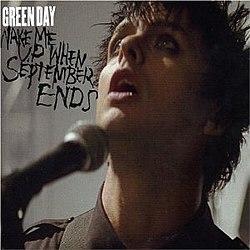
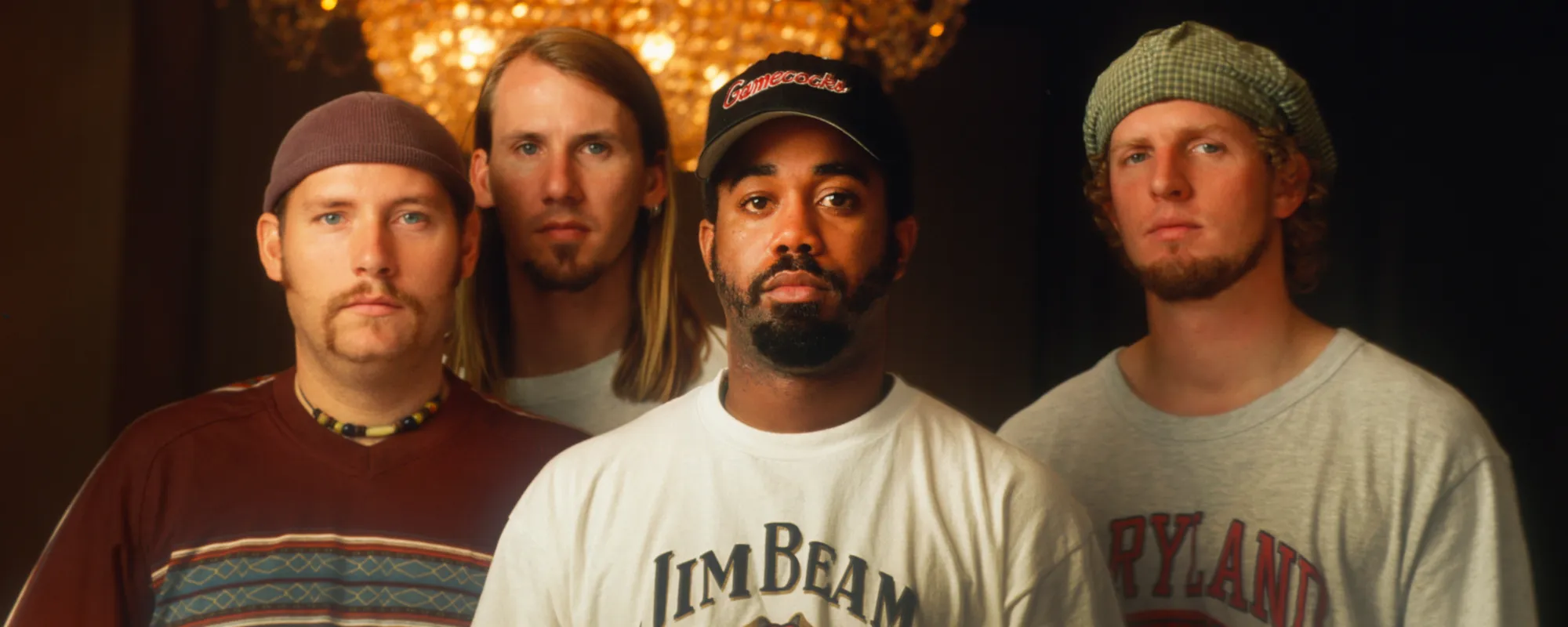
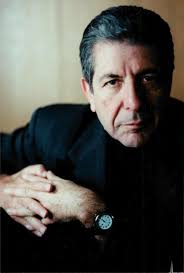
This nostalgic rock ballad opens with a sweet acoustic tune not dissimilar to their big hit Good Riddance (Time of Your Life), but it shifts gears in the second verse with a pounding, almost militaristic rhythm and an aggressive, abrasive guitar sound more in keeping with their alternative punk rock style.
It seems deceptively simple at first, but gradually becomes a powerful and emotionally impactful track. Armstrong’s vocals, along with the rest of the arrangement, express the same aching sense of angst and longing. I only recently became aware of it, but once I heard it I knew it was a keeper.
Frontman Billie Joe Armstrong wrote the song while reflecting on the death of his father in September 1982 and the effect it had on his life afterwards. On the day of his father’s funeral, Armstrong reportedly ran home, locked himself in his room, and when his mother came to check on him, he told her to “wake me up when September ends” – a phrase he held onto for years before eventually turning it into a song. Armstrong later said on Howard Stern’s radio show that he avoided writing about his father for many years until he finally “had a breakthrough” and wrote Wake Me Up When September Ends in his honour.
Wake Me Up When September Ends was the fourth single from American Idiot (2004), the seventh studio album by Green Day. The song reached No. 6 on the US Billboard. Initial reactions to the track were somewhat mixed, but over time it has come to be recognised as one of Green Day’s finest songs.
[Verse 1] Summer has come and passed The innocent can never last Wake me up when September ends Like my father’s come to pass Seven years has gone so fast Wake me up when September ends
[Chorus] Here comes the rain again Falling from the stars Drenched in my pain again Becoming who we are As my memory rests But never forgets what I lost Wake me up when September ends
[Verse 2] Summer has come and passed The innocent can never last Wake me up when September ends Ring out the bells again Like we did when spring began Wake me up when September ends
[Verse 3] Summer has come and passed The innocent can never last Wake me up when September ends Like my father’s come to pass Twenty years has gone so fast Wake me up when September ends Wake me up when September ends Wake me up when September ends
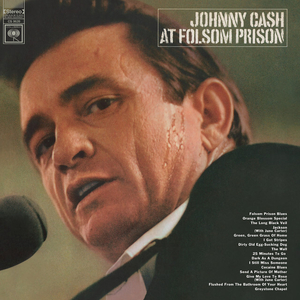
Johnny Cash is all present here: the rolling, train-like rhythm, the hypnotic repetition of the melody, his deep, raw Southern voice. “Folsom Prison Blues” is not only one of his hallmark songs, it’s also one that cemented his status as the archetypal outlaw country artist.
A song by Gordon Jenkins called Crescent City Blues written in 1953, was the source for Johnny’s Folsom Prison Blues, but our outlaw Johnny Cash avoided openly acknowledging the extent of the borrowing for many years. Johnny first recorded the song in 1955, and it was included on his debut record Johnny Cash with His Hot and Blue Guitar!. It might just be me, but as far as album titles go, that one leaves me cold.
1st verse of Crecent City Blues:
I hear the train a-comin, it’s rolling ’round the bend And I ain’t been kissed lord since I don’t know when The boys in Crescent City don’t seem to know I’m here That lonesome whistle seems to tell me, Sue, disappear
Cash said he was inspired to write the song after seeing the movie Inside the Walls of Folsom Prison while serving in West Germany in the United States Air Force. But what he clearly did was change some of the words of Crescent City Blues to make it an outlaw country tale, while reshaping the melody and turning it musically into a country rockabilly train song. That’s still no small feat, but remarkably Johnny didn’t originally give Jenkins credit and was later accused of plagiarising Crescent City Blues. Oh, that reminds me – a lot of the information in this article comes from the Wikipedia reference below.
The recording below is from when Cash performed it live to a crowd of inmates at California’s Folsom State Prison in 1968 for his live album At Folsom Prison. I presented another song from this legendary performance last year called Cocaine Blues. It was this live version of Folsom Prison Blues that became a major hit, reaching No. 1 on the country charts and No. 32 on the Billboard. This version also won the Grammy Awards for Best Country Vocal Performance.
In the early 1970s, after the song became hugely successful, Cash paid Jenkins a settlement of around US$75,000 following a lawsuit. When photographer Jim Marshall asked Cash why the song’s main character was serving time in California’s Folsom Prison after shooting a man in Reno, he responded, “That’s called poetic license.”
Cash opened almost all of his concerts with “Folsom Prison Blues” after greeting the audience with his trademark introduction, “Hello, I’m Johnny Cash,” for decades.
Rolling Stone ranked it number 51 on its list of the 100 greatest country songs of all time.
[Verse 1] I hear the train a-comin’, it’s rolling ’round the bend And I ain’t seen the sunshine since I don’t know when I’m stuck in Folsom prison, and time keeps draggin’ on But that train keeps a-rollin’ on down to San Antone
[Verse 2] When I was just a baby, my mama told me, “Son Always be a good boy, don’t ever play with guns” But I shot a man in Reno just to watch him die When I hear that whistle blowin’, I hang my head and cry
[Verse 3] I bet there’s rich folks eatin’ in a fancy dining car They’re probably drinkin’ coffee and smoking big cigars Well, I know I had it coming, I know I can’t be free But those people keep a-movin’, and that’s what tortures me
[Verse 4] Well, if they freed me from this prison, if that railroad train was mine I bet I’d move it on a little farther down the line Far from Folsom prison, that’s where I want to stay And I’d let that lonesome whistle blow my blues away
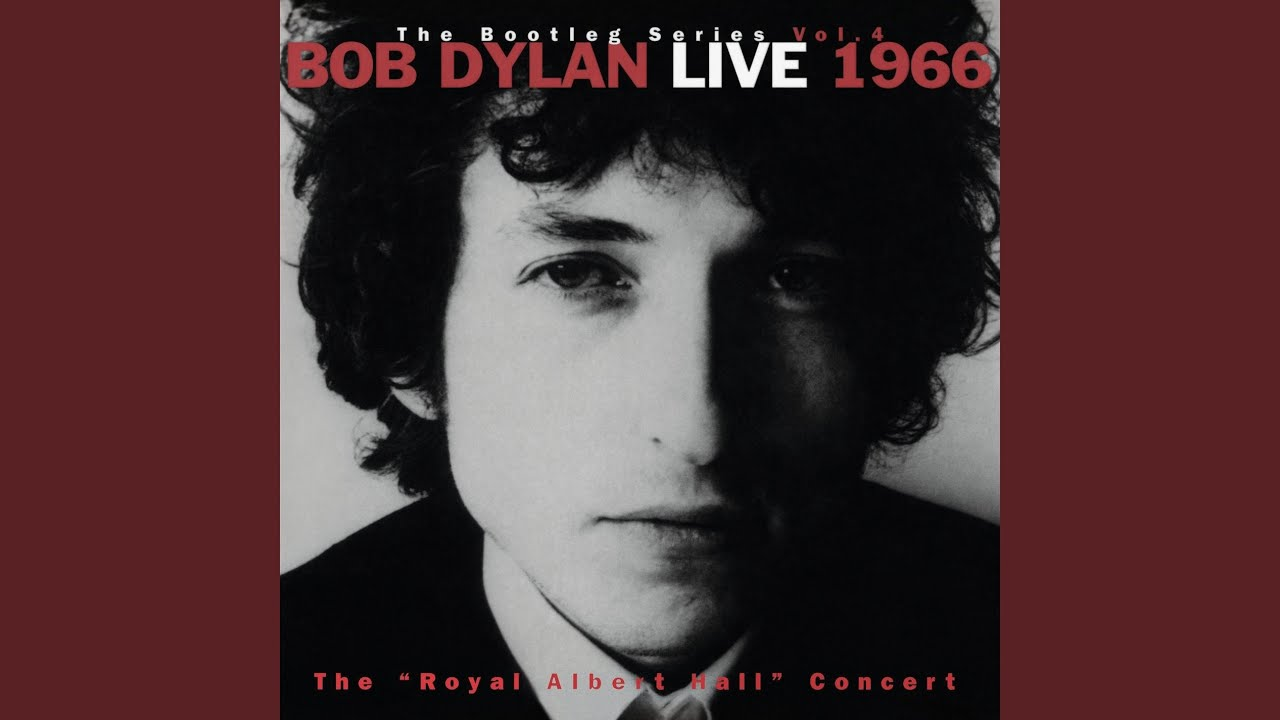
Visions of Johanna is my favourite song in contemporary music. It’s the official bootleg version below from Live 1966 that I feel is the definitive one, at least for me. As you can see from the official bootleg cover above, it is titled the “Royal Albert Hall” concert, but it was actually performed at Manchester’s Free Trade Hall on May 17, 1966, because early bootleggers mistakenly labelled the tape with that title.
I have three versions of Visions in my collection – the original studio release from Blonde on Blonde, the aforementioned live 1966 Manchester version, and the very cool ‘acoustically eclectic’ performance from 24 September 2000 in Portsmouth. But, there is no other song, lyrically or in its mode of presentation, that I find more emotionally, spiritually, and intellectually impactful and immersive than Visions in the Live 1966 version.
In 2012, I conducted a poll on the Expecting Rain (ER) Bob Dylan discussion forum, asking participants to list, in no particular order, their 10 favourite Bob Dylan songs. In total, 58 submissions were received, with 147 different Bob Dylan songs voted for overall. Visions of Johanna received more votes than any other Dylan song with 25 votes, which gives some indication of how highly regarded Visions remains among Dylanholics.
I was always daunted by the idea of writing about this phenomenal piece since it almost feels futile to subject one’s own interpretation to Visions of Johanna. It is so dense, filled with surreal imagery, and remains resistant to strict decipherment. Each line feels like a poem in and of itself and contains its own dream-state imagery particular to whatever it conjures in the mind of the listener.
As I grow older, the imagery I alluded to feels even more vivid, and the meaning more profound and relevant. Not just that, but upon each new listen the song feels renewed and reborn, changing and morphing each time and meaning different things on different occasions – much like how no two dreams are ever the same. In this sense, it feels alive, like its own living and breathing organism, operating mostly on a subconscious level.
Without sounding like I’m using a “get out of jail free” card, such is its profundity and the intimate connection I have with it, I’m reluctant to disclose fully, for personal and privacy reasons, where this song takes me. That’s not to suggest it is always negative, but it is challenging and can be confronting if I’m being totally honest with both myself and the song.
For example, take these lines:
“Now, little boy lost, he takes himself so seriously He brags of his misery, he likes to live dangerously”
To me – and this is as personal as I’m willing to go, so please forgive my candidness – I probably should have taken more heed of lines like this when I was younger. And there are other difficult moments interspersed throughout the song, such as:
“He’s sure got a lotta gall To be so useless and all.”
Visions of Johanna does not contain explicitly reassuring lines; rather, it is characterised by existential doubt, isolation, longing, and frustration instead of comfort or affirmation. Yet ironically, there is comfort in knowing someone was willing to express this so honestly. I always knew it wasn’t going to be pretty facing up to this song, yet the melancholy and resignation framed within it act partly like a lighthouse for a stranded vessel adrift.
In terms of musical art, songs really do not get much more potent or cutting-edge than this. It’s like reading old scripture adapted for modern times. After all these years of listening to it, there still is not a single line that does not blow my mind. So I’m here to say that, in my admittedly meagre musical estimation, I still have not heard its equal.
According to Wikipedia, many critics have acclaimed Visions as one of Dylan’s highest achievements in writing. In 1999, Sir Andrew Motion, Poet Laureate of the United Kingdom, listed it as the greatest song lyric ever written.
Clinton Heylin places the writing of Visions of Johanna in the fall of 1965, when Dylan was living in the Chelsea Hotel with his pregnant wife Sara. Heylin notes that “in this déclassé hotel…the heat pipes still cough”, referring to a line from the song.
Asked by Cameron Crowe, for the liner notes for Biograph, how he could remember the words of such a complex song in live performance, Dylan responded, “I could remember a song without writing it down because it was so visual.”
Andy Gill writes that the song begins by contrasting two lovers, the carnal Louise, and “the more spiritual but unattainable” Johanna. Ultimately, for Gill, the song seeks to convey how the artist is compelled to keep striving to pursue some elusive vision of perfection.
[Verse 1] Ain’t it just like the night to play Tricks when you’re trying to be so quiet? We sit here stranded Though we’re all doing our best to deny it And Louise holds a handful of rain, tempting you to defy it Lights flicker from the opposite loft In this room the heat pipes just cough The country music station plays soft But there’s nothing, really nothing to turn off Just Louise and her lover so entwined And these visions of Johanna that conquer my mind
[Verse 2] In the empty lot where the ladies play Blindman’s bluff with the key chain And the all-night girls They whisper of escapades out on the “D” train We can hear the night watchman click his flashlight Ask himself if it’s him or them that’s insane Louise, she’s all right, she’s just near She’s delicate and seems like the mirror But she just makes it all too concise and too clear That Johanna’s not here The ghost of ‘lectricity howls in the bones of her face Where these visions of Johanna have now taken my place
[Verse 3] Now, little boy lost, he takes himself so seriously He brags of his misery, he likes to live dangerously And when bringing her name up He speaks of a farewell kiss to me He’s sure got a lotta gall To be so useless and all Muttering small talk at the wall while I’m in the hall Oh, how can I explain? It’s so hard to get on And these visions of Johanna, they kept me up past the dawn
[Verse 4] Inside the museums, Infinity goes up on trial Voices echo, “This is what salvation must be like after a while” But Mona Lisa musta had the highway blues You can tell by the way she smiles See the primitive wallflower freeze When the jelly-faced women all sneeze Hear the one with the mustache say, “Jeez, I can’t find my knees” Oh, jewels and binoculars hang from the head of the mule But these visions of Johanna, they make it all seem so cruel
[Verse 5] The peddler now speaks To the countess who’s pretending to care for him Sayin’, “Name me someone that’s not a parasite And I’ll go out and say a prayer for him” But like Louise always says “You can’t look at much, can you, man?” As she, herself, prepares for him And Madonna, she still has not showed We see this empty cage now corrode Where her cape of the stage once had flowed The fiddler, he now steps to the road He writes everything’s been returned which was owed On the back of the fish truck that loads While my conscience explodes The harmonicas play the skeleton keys and the rain And these visions of Johanna are now all that remain
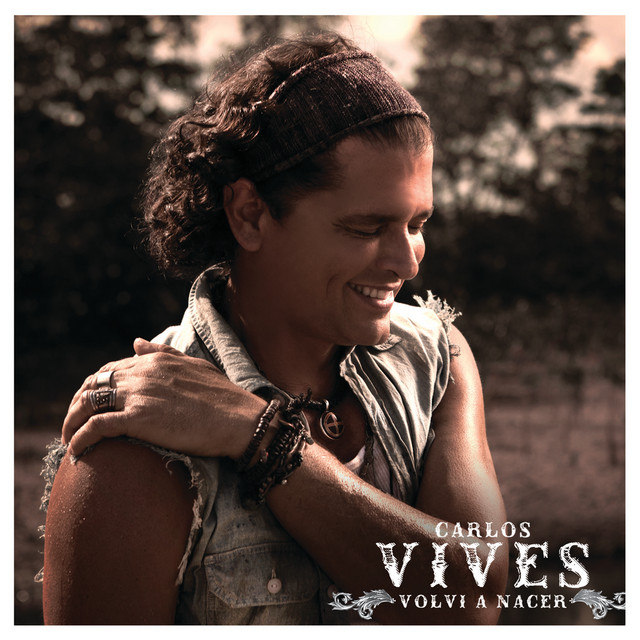
Volví A Nacer (Eng: I Was Born Again) is a song by the Colombian recording artist Carlos Vives. It is a romantic song with strong elements of Colombian vallenato and pop music. I remember it saturating the Colombian airwaves when it came out and being completely taken by it. Even today, I still love hearing it whenever it comes on.
Vallenato originated in Colombia’s Caribbean region and literally means “born in the valley”. The name is linked to the people of Valledupar, the city most associated with the genre, whose name comes from Valle de Upar (“Valley of Upar”).
It is traditionally performed by a trio featuring the diatonic button accordion (melody), the caja vallenata (a small single-headed drum providing rhythm), and the guacharaca (a ribbed scraper).
Volví A Nacer is one of my desert island Colombian vallenato songs, along with the classic Los Caminos de la Vida (Eng: The Paths of Life). They may share the same genre, but their themes are worlds apart.
Los Caminos de la Vida is a more traditional style of vallenato and deals with the hardships of life, including poverty and the absence of a father figure.
Today’s featured track, Volví A Nacer, was inspired by and dedicated to Carlos’ third and current wife and former Miss Colombia, Claudia Elena Vásquez. Through her love, he feels capable of doing anything for her – whether it is “not snoring in the mornings”, “being her chauffeur”, or even “climbing the Himalayas”. Essentially, through her love he feels reborn after a turbulent past.
My favourite part of the song is the high-spirited and inspiring chorus. You do not get much more fantastically romantic and direct than this: I want to / Marry you / Stay by your side / Be blessed with your love.
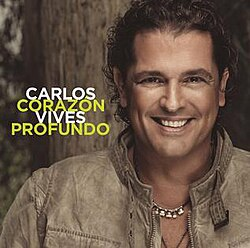
The song was the lead single from Carlos’ 13th studio album, Corazón Profundo, and it became a massive hit, reaching No. 1 in Colombia, Mexico and Venezuela. It also won Song of the Year and Best Tropical Song at the Latin Grammys.
The music video was filmed in Tlacotalpan, a historic Spanish colonial river port founded in the mid-16th century on the banks of the Papaloapan River in Veracruz, Mexico
I hope that despite the language barrier for most of you (English subtitles below), you will enjoy Volví A Nacer.
[Verse 1] Puedo no roncar por las mañana / I can not snore in the mornings Puedo trabajar de sol a sol / I can work from sunup to sundown Puedo subirme hasta el Himalaya / I can climb to the Himalayas O batirme con mi espada / Or fight with my sword Para no perder tu amor / So I don’t lose your love
[Pre-Chorus] Puedo ser, tu fiel, chofer, mujer / I can be your faithful one, chauffeur,woman Todo lo que te imaginas puedo ser / Everything you can imagine, I can be Y es que por tu amor volví a nacer / Because for your love I was reborn Tu fuiste la respiración / You were my breath Y era tan grande la ilusión / And the hope was so great Pero si te vas que voy a hacer / But if you leave, what will I do? Planchar de nuevo el corazón / Iron my heart again Se pone triste esta canción / This song gets sad
[Chorus] Quiero / I want to Casarme contigo / Marry you Quedarme a tu lado / Stay by your side Ser el bendecido con tu amor / Be blessed with your love Por eso yo quiero / That’s why I want to Dejar mi pasado / Leave my past behind Que vengas conmigo / Come with me Morir en tus brazos dulce amor / Die in your arms, sweet love Por eso yo quiero / That’s why I want to
[Verse 2] Puedo boxear en las olimpiadas / I can box in the Olympics Puedo mendigar por tu perdón / I can beg for your forgiveness Puedo mudarme a la Castellana / I can move to La Castellana Agua fría por las mañanas / Cold water in the mornings Y alinear en el Unión / And play for Unión
[Pre-Chorus]
[Chorus]
[Outro] Puedo boxear en las olimpiadas / I can box in the Olympics Puedo trabajar de sol a sol / I can work from sunup to sundown Puedo tantas cosas en mi vida / I can do so many things in my life. Por tu amor / Because of your love.
How timely this song should appear in the alphabetical listing since we are now just 27 days away from the commencement of the 2026 World Cup. Waka Waka (This Time for Africa) was the official theme song for the 2010 World Cup and I have fond memories of both the song and the whole occasion.
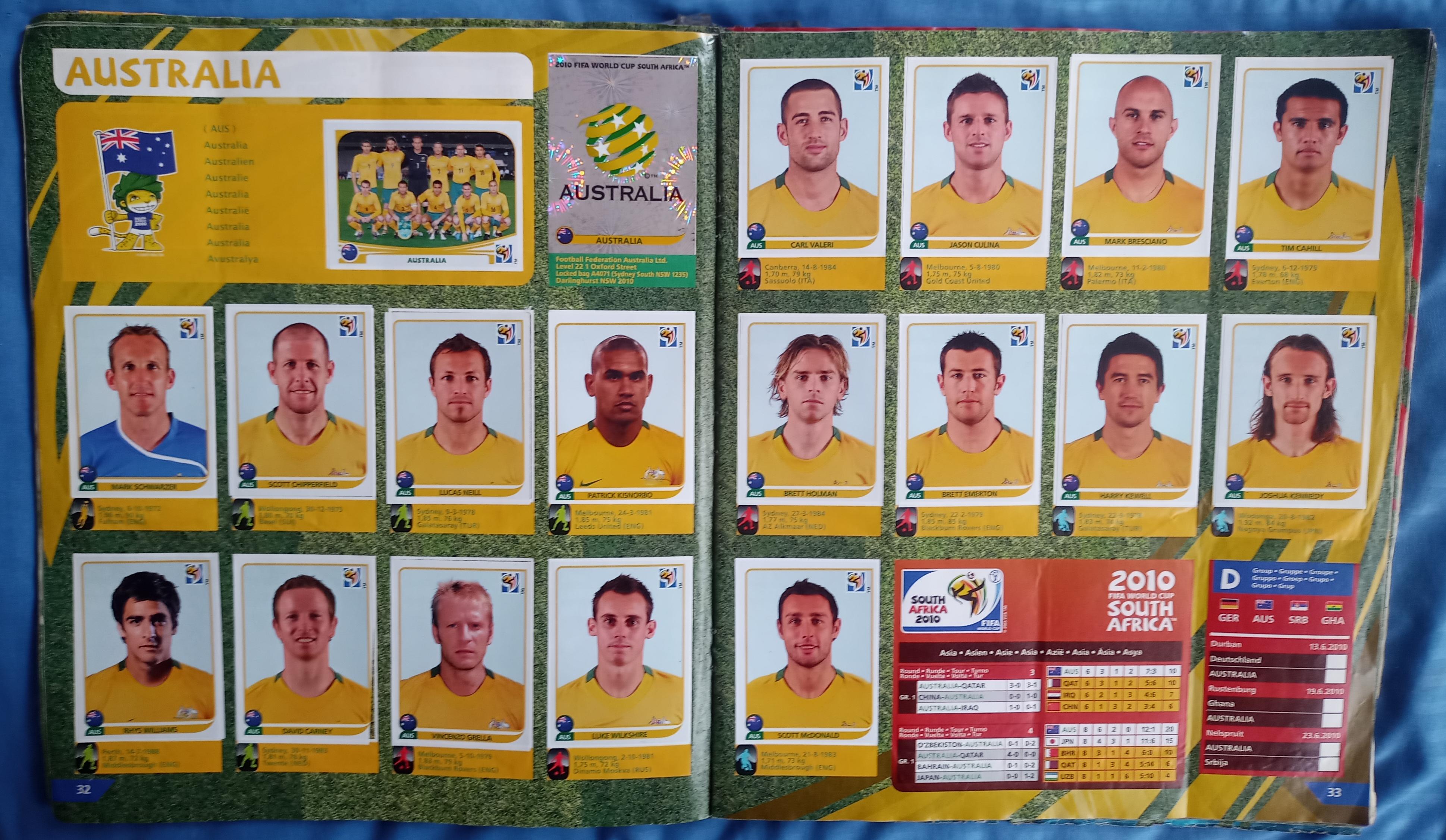
As you can see below, such was my anticipation for the tournament that I collected all the player stickers and placed them in my official Panini sticker album. While it may no longer be in top condition after so much use, it still adorns my little bookcase as a reminder of that wonderful event.
Shakira is Colombia’s biggest musical export and she has enjoyed a long association with the world’s biggest sporting event. Waka Waka is such an infectious tune and perfectly matches the excitement and fervour of the occasion. I have always found it animated, inspiring and uplifting. The African rhythms and groove from the South African band Freshlyground are simply spectacular. Shakira certainly struts her stuff here and completely brings it home.
Shakira also performs with Burna Boy on Dai Dai, the official song for the upcoming 2026 FIFA World Cup. She will also make an appearance during the half-time ceremony of the World Cup Final.
Wikipedia:
The selection of Shakira to sing the song generated controversy after numerous South Africans argued that a native artist should have been assigned the role.
It peaked at No. 1 on the record charts of numerous countries worldwide and was the most successful song of 2010 in seven countries. In the United States, it peaked at No. 38 on the Billboard and was later certified platinum.
It sold 15 million downloads worldwide, becoming one of the best-selling digital singles of all time. It earned a song a Guinness World Record, certified as the most streamed FIFA World Cup song on Spotify.
The chorus of the song and the words “waka waka” are borrowed from “Zangaléwa”, a 1986 song recorded by Cameroonian band Golden Sounds, which was a hit not only across Africa but also in Colombia.
Shakira performed “Waka Waka (This Time for Africa)” at the 2010 FIFA World Cup opening ceremony on 10 June at the Orlando Stadium in Johannesburg, South Africa.
[Verse 1: Shakira] You’re a good soldier, choosing your battles Pick yourself up and dust yourself off, get back in the saddle You’re on the front line, everyone’s watching You know it’s serious, we’re getting closer, this isn’t over
[Pre-Chorus: Shakira] The pressure’s on, you feel it But you got it all, believe it When you fall get up, oh-oh And if you fall get up, eh-eh Zamina-mina, zangalewa? ‘Cause this is Africa
[Chorus: Shakira] Zamina-mina, hé-hé Waka, waka, hé-hé Zamina-mina, zangalewa? This time for Africa
[Verse 2: Shakira] Listen to your God, this is our motto Your time to shine, don’t wait in line y vamos por todo People are raising their expectations Go on and feed ’em, this is your moment, no hesitations
[Pre-Chorus: Shakira] Today’s your day, I feel it You paved the way, believe it If you get down, get up, oh-oh When you get down, get up, eh-eh Zamina-mina, zangalewa? This time for Africa
[Chorus: Shakira] Zamina-mina, hé-hé Waka, waka, hé-hé Zamina-mina, zangalewa? Anawa, ha-ha Zamina-mina, hé-hé Waka, waka, hé-hé Zamina-mina, zangalewa? This time for Africa
[Verse 3: Zolani] Awabuye lamajoni ipikipiki mama wa A to Z Bathi susa lamajoni ipikipiki mama from East to West Bathi waka-waka, mah, hé-hé, waka-waka, mah, hé-hé Zonk’ izizwe mazibuye, ’cause this is Africa
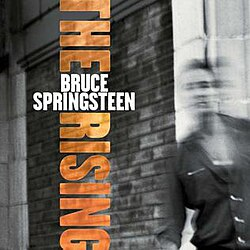
Waitin’ On A Sunny Day is a song from The Rising, released by Bruce Springsteen in 2002 after the terrorist attacks in the United States on September 11th, 2001. The record was dedicated to the victims, survivors and spirit of that terrible day.
The Rising was symbolically named to honour the heroism of the firefighters and emergency workers climbing the stairwells of the Twin Towers before they collapsed.
In another sense, one could say The Rising also represented Bruce’s own resurgence after his long break away from recording with the E Street Band, apart from the 1999 reunion tour, and his largely solo acoustic work throughout the 1990s.
The Rising is such a great record and felt like an amazing return to form, though that is not to dismiss his 1990s output, which contains plenty of fine songs, many of which have featured here. It was Springsteen’s first studio album in seven years and became his first to top the US Billboard chart since Tunnel of Love in 1987.
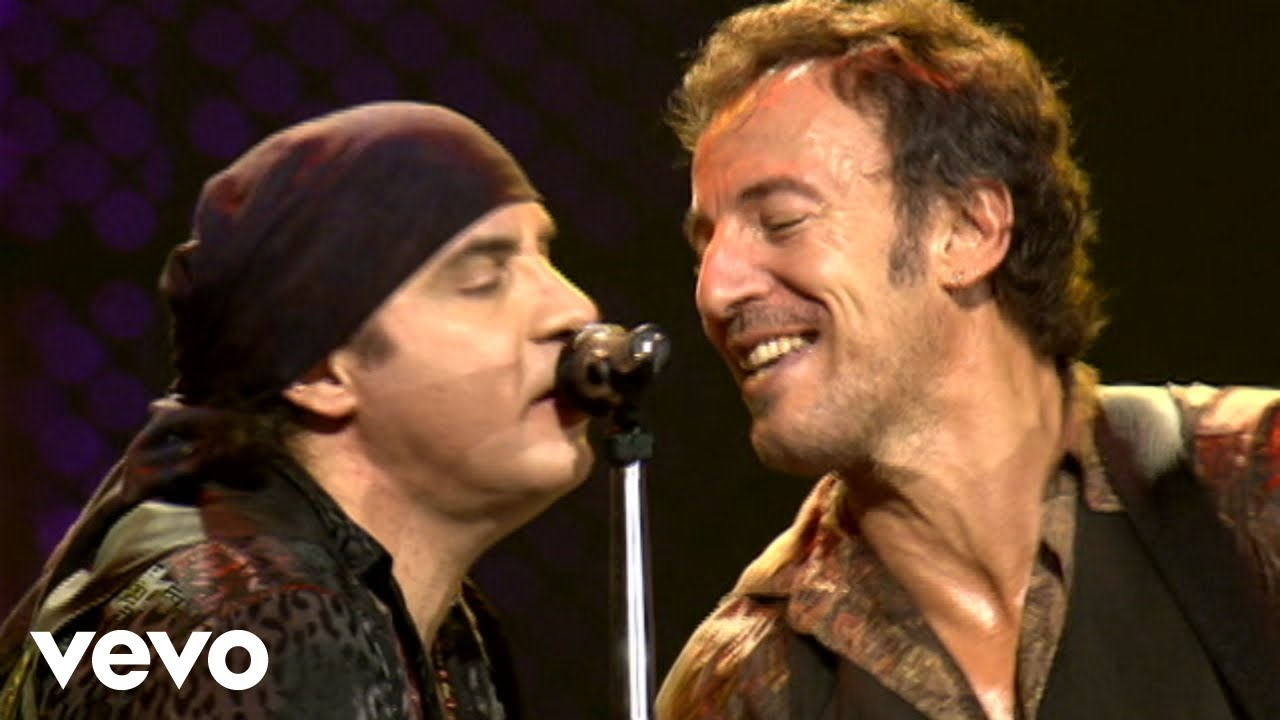
After the album’s release, a live concert film from Barcelona for The Rising tour was released shortly afterwards. It remains one of my favourite live performances and, such is my fascination with it, I have presented today’s featured track, Waitin’ On A Sunny Day, from that very show.
Waitin’ On A Sunny Day is about a man in a low emotional state, expressed through the imagery of gloomy weather, hoping his spirits will be lifted by someone special – a girl who means everything to him and whom he hopes will stay and pull him out of his despair. The lyrics are simple:
I’m waitin’, waitin’ on a sunny day Gonna chase the clouds away Waitin’ on a sunny day.
Despite the downbeat subject matter, the music is bright, catchy and uplifting, representing a ray of hope, much like the girl in the song who helps break the man out of his negative frame of mind. The track combines a fairly simple arrangement powered by drums, acoustic guitars and Soozie Tyrell’s violin. I really like Clarence Clemons’s saxophone solos here, along with the backing vocals singing the “oohs” and “aahs”.
I always assumed the song was written about somebody affected by the 2001 attacks, but Waitin’ On A Sunny Day was actually written earlier. Springsteen wrote and recorded the song around 1998 or 1999, though that original recording has never been officially released. The song was reportedly used during soundchecks on the E Street Band reunion tour.
Springsteen described the song as “a good example of pop songwriting” and also as the type of song he often wants to “throw out… directly into the trash can” until former producer Jon Landau talks him out of it.
The song was not released as a single in the United States, but it was released across Europe and became a modest hit in Sweden, reaching No. 15, while also charting in Australia at No. 51.
[Verse 1] It’s raining, but there ain’t a cloud in the sky Must have been a tear from your eye Everything will be okay Yeah, funny, I thought I felt a sweet summer breeze Must have been you sighing so deep Don’t worry, we’re gonna find a way
[Chorus] I’m waiting Waiting on a sunny day Gonna chase the clouds away Yeah, I’m waiting on a sunny day
[Verse 2] Without you I’m working with the rain falling down I’m half a party in a one-dog town I need you to chase these blues away Without you I’m a drummer girl that can’t keep a beat Ice cream truck on a deserted street I hope that you’re comin’ to stay
[Chorus]
[Verse 3] Hard times, baby, well, they come to us all Sure as the ticking of the clock on the wall Sure as the turning of the night into day Your smile, girl, brings the morning light to my eyes Lifts away the blues when I rise I hope that you’re coming to stay
I hadn’t had as much fun watching a movie for a good while as I did watching Cafe Society by Woody Allen yesterday. Someone once wrote that you either get Woody or you don’t, and judging by the sharply contrasting opinions from both critics and audiences, I can certainly relate to that sentiment.
On IMDb, it especially criticised the film’s “weak writing,” which made me wonder if I’m living in a cinematic multiverse, given how much I found myself in awe of the writing. Although I’m not exactly a fan of some of the principal actors, and despite what I felt was some miscasting – especially in the roles played by Kristen Stewart and Steve Carell – there still wasn’t a dull scene in the movie. This was due in part to the glorious cinematography and production design, but above all, the witty and enriching writing.
Woody has not made it a secret that one of, if not his biggest inspiration as a director is the Swedish filmmaker Ingmar Bergman, and I can wholeheartedly share in his deep admiration since Ingmar’s movies have featured here a bunch. I can see how Woody fuses the massive existential questions and then acutely wires them into his movies, as he does with Match Point, Blue Jasmine, Magic in the Moonlight to name but a few, and they have all featured here as well despite receiving less than ravenous praise, bar Jasmine.
Below is the IMDb story line, though this is a film best consumed like a strong Martini – slowly, and without knowing too much beforehand. And believe you me, nearly every drink in this earlier period drama of 1930s Hollywood is on the menu, but the less you know about it the better, so I’d hesitate before reading it if that’s what you’re going to do:
In 1930’s Hollywood, the powerful agent, Phil Stern, is attending a party and receives a phone call from his sister living in New York. She asks for a job for her son and Phil’s nephew, Bobby, who decided to move to Hollywood. Three weeks later Phil schedules a meeting with Bobby and decides to help him. He asks his secretary Veronica “Vonnie” to hang around with Bobby, showing him the touristic places. Bobby immediately falls in love with Vonnie, but she tells that she has a boyfriend, a journalist that travels most of the time. However, Vonnie’s boyfriend is indeed a married man that is also in love with her and soon she has to make a choice between her two loves.
Towards the end of this great film, which I found myself applauding through the end credits while wondering as usual how Woody did it, the movie somehow raises the most fantastic existential concerns and shines such a wondrous light on them, but in such a darkly comical way. Take for example (small spoiler alert) …..this gem of a line when the Jewish family reflect on how dismayed they are that their gangster brother, sentenced to death in the electric chair, decides to turn to the Catholic faith because it offers an afterlife.
It’s delivered by the character Rose Dorfman: “Too bad the Jewish religion doesn’t have an afterlife. They’d get a lot more customers.”
It’s the small acting parts in this movie that give it all its juice, and you realise it’s the sum that becomes bigger than the whole, and Woody gets that. I gotta tell ya, there is a side story involving the protagonist’s Jewish sibling, magnificently played by Sari Lennick, who was also the wife in Serious Man, which I featured here by the Coen Brothers.
She is just so good here, as she is in A Serious Man, and embodies what is so nuanced and special about the movie aside from all the shenanigans of the convoluted plot. Her and her husband’s side story, brilliantly played by Stephen Kunken, is as authentic and loving as a story you’ll see in cinema, and the aftermath of having told on their neighbour’s abhorrent behaviour is one for the movie annals.
I could go on and on about this movie, but you should just go and watch it. Thanks as usual for reading. I would love to know your thoughts on this movie if you’ve seen it.
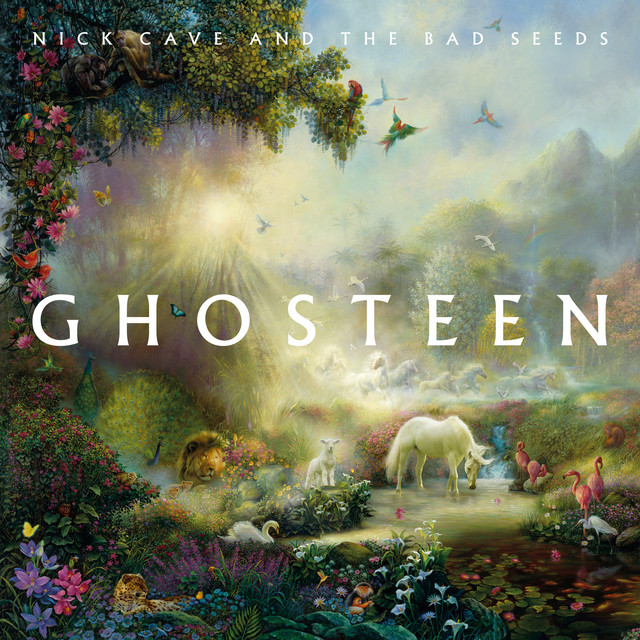
In the aftermath of the tragic death of Nick Cave’s son Arthur at just 15 years old in 2015, Nick Cave dedicated the 2019 record Ghosteen to processing his grief. Three other songs from that remarkable album have appeared here before, including the stand-out track Bright Horses, which remains one of my highest-viewed music posts. I’m thankful for that and feel privileged because that song is one of the most powerful and beautiful meditations on mortality I’ve ever heard.
Today’s track Waiting for You is almost a sister song to Bright Horses because it is another moment where Nick simply lets his heart do the writing as he grieves for his son. Sadness has a voice. As a listener, you feel the depth of his pain as he clings to faith and hope during a time of extraordinary suffering. So many tears can be felt in this song. It’s beautiful, yet haunting. You can almost feel these songs summoning the ghost of his son.
Your soul is my anchor, I never asked to be freed Well, sleep now, sleep now, take as long as you need
Nick Cave is renowned for exploring dark themes through music that can feel gloomy, pulsating and deeply penetrating. He has always had a productive and pragmatic way of confronting bleaker moments and difficult realities. His music does not shy away from loss, grief and acceptance, but there is also an overriding sense of beauty, togetherness and renewal throughout Ghosteen because the album feels so personal.
You get the feeling Cave wants the listener to believe there is still salvation and hope out there. One can come away from Ghosteen feeling lifted and strengthened.
Upon its release, Ghosteen was met with widespread critical acclaim. It received several perfect review scores and became one of the highest-rated albums of 2019 on Metacritic. The album also arrived during the 40th anniversary period of Nick Cave’s recording career.
[Verse 1] All through the night we drove, and the wind caught her hair And we parked on the beach in the cool evening air Well, sometimes it’s better not to say anything at all Your body is an anchor, never asked to be free Just want to stay in the business of making you happy Well, I’m just waiting for you
[Chorus] Waiting for you, waiting for you Waiting for you, waiting for you Waiting for you
[Verse 2] A priest runs through the chapel, all the calendars are turning A Jesus freak on the street says, “He is returning” Well, sometimes a little bit of faith can go a long, long way Your soul is my anchor, I never asked to be freed Well, sleep now, sleep now, take as long as you need ‘Cause I’m just waiting for you
[Chorus] Waiting for you, waiting for you Waiting for you, waiting for you Waiting for you to return To return, to return
In my post on Wagon Wheel the other day, my friend Ashley at The Gentle Chapter told me how much she enjoyed the Darius Rucker version of the song. In a follow-up comment, Ash mentioned that her mind was blown when she learned Darius was the lead singer of Hootie & the Blowfish, which in turn blew me away.
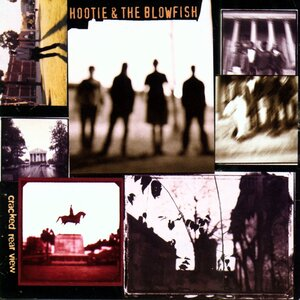
I had completely forgotten about them despite owning their debut album Cracked Rear View, which became one of the best-selling albums in U.S. history, certified 22 times platinum. They’d be pretty rich, wouldn’t they? So I revisited the album to see if there were any songs I wanted to restore and share here. And boom!
Hold My Hand was one of my favourites from the record and I was remiss to let it slip away over the years. Anyway, I’m now trying to make amends. I suppose it’s a given that a lot of music is going to fall through the cracks as so much time passes. Speaking of which, the other song I will present from Hootie down the track will be their song – Time.
I find Hold My Hand to be such an inspiring love song with that escapist, ‘let’s run away together’ romantic spirit almost like a Bob Seger song. The part I enjoy most is definitely the refrain leading up to the chorus – it’s short, but so stirring and exciting to listen to each time:
“’Cause I got a hand for you, oh ‘Cause I wanna run with you”
Hootie’s music has this ‘good times’ vibe and, through their squeaky clean charm, I almost get a Christian outreach music feel from some of their uplifting sensibilities. Their music evokes emotional responses through its inspiring messages and catchy yet sensitive sound. But they are not a Christian group per se, although Jim “Soni” Sonefeld is a devout Christian who has released several solo contemporary Christian music projects.
Wikipedia:
Hold My Hand was the debut single from the group. All four members wrote the song in 1989. The song also includes backing vocals by David Crosby. It reached No. 10 on the Billboard Hot 100.
It was nice to be reunited with some of their music. Thanks for reading.
[Verse 1] With a little love and some tenderness We’ll walk upon the water, we’ll rise above the mess With a little peace and some harmony We’ll take the world together, we’ll take ’em by the hand
[Refrain] ‘Cause I got a hand for you, oh ‘Cause I wanna run with you
[Verse 2] Yesterday, I saw you standin’ there Your head was down, your eyes were red, no comb had touched your hair I said, “Get up and let me see you smile We’ll take a walk together, walk the road awhile,” ’cause
[Refrain] ‘Cause I got a hand for you (I got a hand for you) ‘Cause I wanna run with you (Won’t you let me run with you? Yeah)
[Chorus] (Hold my hand) Want you to hold my hand (Hold my hand) I’ll take you to a place where you can be (Hold my hand) Anything you wanna be because I wanna love you the best that, the best that I can
[Verse 3] See, I was wasted and I was a-wastin’ time ‘Til I thought about your problems, I thought about your crimes Then I stood up and then I screamed aloud I don’t wanna be part of your problems, don’t wanna be part of your crowd, no
[Refrain] ‘Cause I got a hand for you (I got a hand for you) ‘Cause I wanna run with you (Ah, won’t you let me run with you?)
[Chorus] (Hold my hand) Want you to hold my hand (Hold my hand) I’ll take you to the promised land (Hold my hand) Maybe we can’t change the world, but I wanna love you the best that, the best that I can, yeah
I like this solemn and meandering song from Leonard, which whisks you away with its personal chant and reflection on love, its prodding medieval-like sound, and the sense that the thoughts are just appearing to him there and then. On the surface it can sometimes feel like clichés strung together, but after a few listens nearly all the deficiencies seem to vanish. So much that is complicated is stated and implied through what seem like deceptively simple lines.
Take for example: “I didn’t see the time / I wasted half my life away.” As the article below describes it – it’s not like he’s saying, “I thought it was 4:00, but it’s really 4:30” here; this is the much more powerful “I thought I was 20, but I’m really 55.” It’s like time has swept away anything that could ever have been while you’re just waiting for a miracle to come.
Example 2: “I know you really loved me, / but, you see, my hands were tied.” This is really chilling; wasting your life away through perfectionism while great chances wait for you – is that what “having your hands tied” means here?
For a more in-depth distillation of the lyrics I point you to the illuminating article below from Michael and Steven Dube.
Familiarity breeds admiration, as is often the case with Leonard’s music. There’s also a profundity to it, showing how time simply passes by, the bleakness and weariness to which the human soul can descend, and how you can preach patience as if it’s a form of asceticism. Sure, patience may outlast hunger, but I’m not sure it outlasts love. Love conquers all. It’s like he’s waiting for a sort of divine love – a probably unattainable miracle cure.
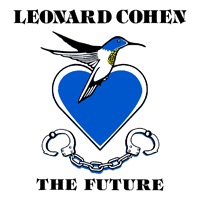
Waiting for the Miracle was written as Cohen approached his 60th birthday and was released on his ninth studio album, The Future. The song was co-written by Sharon Robinson and also features her soothing background vocals. They frequently collaborated over the years, including co-writing and duetting on one of my all-time Leonard favourites – Alexandra Leaving.
According to Genius Lyrics – the song was influenced by Cohen’s relationship at the time with actress Rebecca De Mornay, who was also co-producer of the album.
For movie buffs out there – Waiting for the Miracle was used prominently on the soundtrack to Natural Born Killers by Oliver Stone. It also appeared in Wonder Boys starring Michael Douglas, which featured here on Friday’s Finest in 2021.
[Verse 1] Baby, I’ve been waiting I’ve been waiting night and day I didn’t see the time I waited half my life away There were lots of invitations And I know you sent me some But I was waiting For the miracle, for the miracle to come
[Verse 2] I know you really loved me But, you see, my hands were tied I know it must have hurt you It must have hurt your pride To have to stand beneath my window With your bugle and your drum And me I’m up there waiting For the miracle, for the miracle to come
[Verse 3] Yeah, I don’t believe you’d like it You wouldn’t like it here There ain’t no entertainment And the judgements are severe The Maestro says it’s Mozart But it sounds like bubble gum When you’re waiting For the miracle, for the miracle to come
[Interlude] Waiting for the miracle There’s nothing left to do I haven’t been this happy Since the end of World War II
[Chorus] Nothing left to do When you know that you’ve been taken Nothing left to do When you’re begging for a crumb Nothing left to do When you’ve got to go on waiting Waiting for the miracle to come
[Verse 4] Yeah, I dreamed about you, baby It was just the other night Most of you was naked Ah, but some of you was light The sands of time were falling From your fingers and your thumb And you were waiting For the miracle, for the miracle to come
[Verse 5] Ah, baby, let’s get married We’ve been alone too long Let’s be alone together Let’s see if we’re that strong Yeah, let’s do something crazy Something absolutely wrong While we’re waiting For the miracle, for the miracle to come
[Chorus] Nothing left to do When you know you’ve been taken Nothing left to do When you’re begging for a crumb Nothing left to do When you’ve got to go on waiting Waiting for the miracle to come
[Verse 6] When you’ve fallen on the highway And you’re lying in the rain And they ask you how you’re doing Of course you say you can’t complain — If you’re squeezed for information That’s when you’ve got to play it dumb: You just say you’re out there waiting For the miracle, for the miracle to come