Do It Again (1968) – the Beach Boys

He (Brian Wilson) remembers it being at my house. I remember it as being at his house. He starts pounding at the piano, I was summoning up the words and we got a chorus together, which was basically a bunch of doo-wop inspired harmonies. We created that whole song in fifteen minutes“.
– Mike Love

This is when music made people smile. Released in 1968 Do It Again was the Beach Boys attempt to channel their earlier surf image which they had not embraced since 1964. So it was back to the sun-drenched days of surf, sand, and carefree living that had defined the group’s early success. Although they were hardly what you’d call ‘grommets’, however in reality one of the founding members Dennis Wilson in 1983 was found dead in the waters after diving off a boat slip.
Carl Wilson recalled:
Yes, I suppose it has got the old Beach Boys surfing sound. It’s back to that surfing idea with the voice harmony and the simple, direct melody and lyrics. We didn’t plan the record as a return to the surf or anything‘..

By the late 1960s, the Beach Boys had ventured far beyond their early surf-rock roots. With Brian Wilson steering the ship, their sound had evolved into intricate studio masterpieces like Pet Sounds (1966). However, by 1968, the group found itself at a crossroads. Psychedelic rock was in full bloom, and their signature style was seen as something of a relic from a bygone era. So Do It Again as the title suggests is a song born out of pure nostalgia.

The following contains extracts from the Wikipedia article below:
Originally titled “Rendezvous“, the lyrics to the song were inspired after a day Mike Love had spent at the beach in which he had gone surfing with an old friend named Bill Jackson. Mike then showed the lyrics to his cousin Brian Wilson, who proceeded to write the music to Mike’s lyrics of nostalgia. Brian stated that he believes the song was the best collaboration that he and Mike ever worked on.

During the mixdown, engineer Stephen Desper came up with the drum effect heard at the beginning of the track. He explained that he had “commissioned Philips, in Holland, to build two tape delay units for use on the road (to double live vocals). [he] moved four of the Philips PB heads very close together so that one drum strike was repeated four times about 10 milliseconds apart, and blended it with the original to give the effect you hear.”

The single peaked at number one on the UK Singles Chart on August 28, 1968, 40 days after its release, and thus became the band’s second number-one hit in the UK after Good Vibrations two years earlier. Love remembered thinking that the song’s success in Britain “was unbelievable. It showed how many fans we had there and how attractive the whole California lifestyle is.” It remained at the top for only one week, after which it was supplanted by the Bee GeesI’ve Gotta Get a Message to You.

[Verse 1]
It’s automatic when I talk with old friends
The conversation turns to girls we knew
When their hair was soft and long
And the beach was the place to go

[Verse 2]
With suntanned bodies and waves of sunshine
The California girls and a beautiful coastline
And warmed-up weather, let’s
Get together and do it again

[Chorus]
Do-do-do, do-do-do
Do, do-do-do-do
Do-do-do, do-do-do
Do, do-do-do-do
Do-do-do, do-do-do
Dum-de-doo-ron
Do-do-do, do-do-do
Do, do-do-do-do

[Bridge]
With a girl, the lonely sea looks good
With moonlight
Makes your night times warm
And out of sight (Been so long)
Do, do, do-do-do (Been so long)
Do, do, do-do-do (So long, been so long)
Been so long

[Guitar Solo]
Hey now, hey now, hey now, hey now

[Verse 3]
Well, I’ve been thinking ’bout all the places
We surfed and danced and all the faces
We miss, so let’s get
Back together and do it again
(Come and do it)

References:
1. The Beach Boys – Wikipedia

Tagged with:
Posted in Music

In The Making (2024) – Aisha Badru

Let’s start with soulful folk-pop singer-songwriter Aisha Badru who hails from New York. Her AllMusic bio notes she began playing guitar and singing during high school. After three years of non-music-related studies in college, she dropped out to pursue music. In 2016, a song from a self-released EP was licensed by an automaker for a marketing campaign. The resulting exposure led to a record deal and her April 2018 debut Pendulum. The beautiful In the Making, written by Badru, is from her sophomore album The Sun Still Rises. Her airy vocals drew me in right away.

New Music Musings (November 30, 2024) at Christian’s Music Musings

Each post at Observation Blogger ends with the quote by French musical composer, conductor and jazz pianist – Michel Legrand: “The more I live, the more I learn. The more I learn, the more I realize, the less I know.” It emphasises the importance of lifelong learning and the humility that comes with it; leading us neatly into today’s featured track In The Making by Aisha Badru. This song is a statement of intent and a brave declaration of vulnerability, where Badru looks at how change affects her. 
Each Saturday, my blogger friend Christian at Christian’s Music Musings writes about brand new song releases and that’s where I first heard In The Making. I couldn’t recommend more highly his Saturday segment for anyone who appreciates music and is curious of the latest offerings.

As Christian stated above – Singer/songwriter Aisha Badru released In The Making as a single from sophomore album, The Sun Still Rises, which by the way, sounds awfully like one of my favourite books – The Sun Also Rises by Ernest Hemingway which I wrote a series on. Now back to Aisha Badru; Mark Buckley wrote in his article below about how the Nigerian-American artist: ‘Explores uncertainty and, at times, the resultant sense of indecision, it (In the Making) actually looks at those things not as flaws, but as staging posts on a journey to self-improvement and a brighter future‘.
Bardu explains further about the track, “In The Making is a reflection on personal evolution and the continuous journey of self-discovery. This song embodies the essence of change, the fluidity of identity, and the desire to break free from expectations.

Painting a picture
Sculpting the clay
Who I was yesterday
I am not today
Floating down a river
The river of change
Things I saw yesterday I don’t see the same way


I could never be what you want me to be
My mind is changing endlessly
I’m breaking through every mold and expectation
Like when fire heats the sand
Where one form ends a new one begins
I am always in a state of creation


I’m still in the making (ohh)


Weaving a fabric with my own hands
Telling a story with every strand
Holding my opinions, but never too strong
What I got right yesterday, what if I was wrong?

Reference:
1. New Music: Aisha Badru – In The Making – Analogue Trash
2. Aisha Badru’s “In The Making” Embodies The Essence Of Change – Wildfire Music and News

Tagged with: , ,
Posted in Music

Don’t You Want Me (1981) – The Human League

Don’t You Want Me by The Human League was the epitome of cool and sexy in my youth. For decades, it had slipped from my consciousness, only to magically appear to my senses recently like an old flame. The song is a shimmering time capsule of the early ’80s, where glossy synths and glam – infused production reigned supreme. Sure, that era often gets a bad rap for its excess – synth stabs, reverb, drum machines, but here, the overproduction doesn’t just work; it fits Don’t You Want Me like a glove. I also like the vocal interplay between Phil Oakey’s and Susanne Sulley’s which creates this cool, yet infectious tension.

Don’t You Want Me was released in the UK on 27 November 1981 as the fourth single from The Human League’s third album, Dare. The song had initially been intended for Philip Oakey to sing solo, but, inspired by the film A Star Is Born (1976), Oakey decided to turn it into a duet with Susan Ann Sulley, one of the band’s two female singers. For the lyrics, Oakey was inspired by a comic he read in a teen magazine. Oakey says that Don’t You Want Me is not really a love song, but “an unpleasant song about the politics of sexual power.”

Don’t You Want Me was the biggest selling single in England in 1981, reaching number one at Christmas, staying there for five weeks, and has since sold over 1.5 million copies in the UK, making it the 23rd most successful single in British singles history. In the United States, Don’t You Want Me topped the Billboard Hot 100 on July 3, 1982, staying there for three consecutive weeks. In November 1983, Rolling Stone magazine called the single a “breakthrough song.” In 2015, the song was voted the nation’s seventh favourite song by the British public.

[Verse 1: Philip Oakey]
You were workin’ as a waitress in a cocktail bar
When I met you
I picked you out, I shook you up, and turned you around
Turned you into someone new
Now five years later on, you’ve got the world at your feet
Success has been so easy for you
But don’t forget, it’s me who put you where you are now
And I can put you back down too

[Pre-Chorus: Philip Oakey]
Don’t, don’t you want me?
You know I can’t believe it when I hear that you won’t see me
Don’t, don’t you want me?
You know I don’t believe you when you say that you don’t need me
It’s much too late to find
You think you’ve changed your mind
You’d better change it back or we will both be sorry

[Chorus: Philip Oakey]
Don’t you want me, baby?
Don’t you want me? Oh
Don’t you want me, baby?
Don’t you want me? Oh

[Verse 2: Susan Ann Sulley]
I was working as a waitress in a cocktail bar
That much is true
But even then, I knew I’d find a much better place
Either with or without you
The five years we have had have been such good times
I still love you
But now I think it’s time I live my life on my own
I guess it’s just what I must do

References:
1. Curiosidades Musicales: Don’t You Want Me (The Human League) – 22 minutes con

Tagged with: , ,
Posted in Music

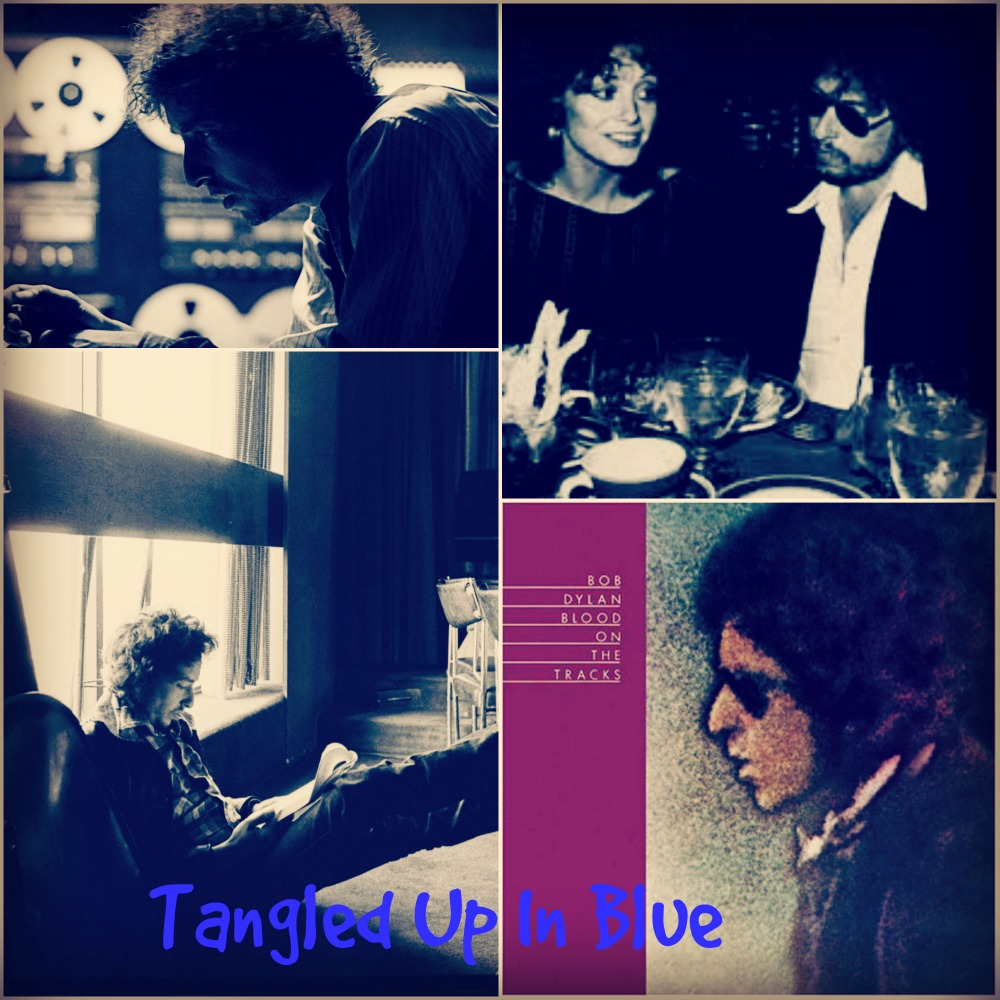
Tangled Up in Blue (1975) – Bob Dylan

It is a love song (Tangled Up In Blue), and a song about how it feels to have a personal history.. it is also a great road song, filled with the essential energy of the American highway. The Minnesota musicians Dylan performs with here achieve an unforgettable groove, bass and drums and acoustic guitars (one a twelve-string, it sounds almost like a harpsichord at times) totally blended into a new and different wild mercury sound.
– Paul Williams (Bob Dylan: Performing Artist, Vol 2: The Middle Years 1974-1986)

In 2012, I conducted a survey on the Expecting Rain Bob Dylan discussion forum for participants to list their 10 favourite Bob Dylan songs. 58 submissions of 10 favourite songs were received with a total of 147 Bob Dylan songs voted. Today’s featured song Tangled Up in Blue came in at No.2 such is its regard amongst Dylanholics. You can view the rest of the results here.

Tangled Up in Blue is one of five songs on Blood on the Tracks that Dylan initially recorded in New York City in September 1974 and then re-recorded in Minneapolis in December that year; the later recording became the album track and single. It reached No. 31 on the Billboard Hot 100. Rolling Stone ranked it No. 68 on their list of the 500 Greatest Songs of All Time.

Dylan had moved to a farm in Minnesota with his brother, David Zimmerman, and there started to write the songs that were recorded for his album Blood on the Tracks. David Zimmerman was the producer for the Minneapolis Blood on the Tracks recordings, but was not credited on the album.
In the spring of 1974, Dylan had taken art classes at Carnegie Hall and was influenced by his tutor Norman Raeben, and in particular Raeben’s view of time, when writing the lyrics.

I was trying to do something that I don’t know if I was prepared to do. I wanted to defy time, so that the story took place in the present and past at the same time. When you look at a painting, you can see any part of it or see all of it together. I wanted that song to be like a painting.

– Bob Dylan (to Bill Flanagan, March 1985)

Tangled Up in Blue and the album as a whole represented a return of the great Bob Dylan from his glory days of the trilogy Bringing It All Back Home, Highway 61 Revisited, and Blonde on Blonde. The song has a most dazzling lyric. It’s said Dylan continuously reworked the lyrics during the recordings, mostly telling the story in the third person singular, probably to signify that the narrator was a witness, not an actor. In the official version, however, he sings in the first person singular, as if he wants to indicate a personal involvement.

[This song] took me 10 years to live, and two years to write,” Dylan often said before playing Tangled Up in Blue in concert. His marriage to Sara Lowndes was crumbling in 1974 around the time he wrote this and some even suggested the songs were wrung from an anguished Dylan which is probably an over-simplification. Jakob Dylan, the third child Dylan had with Lowndes, described the song lyrics as “my parents talking.” But Dylan denied any autobiographical connections. “It didn’t pertain to me,” he said during a 1985 interview.

[Verse 1]
Early one morning the sun was shining
I was laying in bed
Wondering if she’d changed at all
If her hair was still red
Her folks they said our lives together
Sure was going to be rough
They never did like Mama’s homemade dress
Papa’s bankbook wasn’t big enough
And I was standing on the side of the road
Rain falling on my shoes
Heading out for the East Coast
Lord knows I’ve paid some dues
Getting through
Tangled up in blue

[Verse 2]
She was married when we first met
Soon to be divorced
I helped her out of a jam, I guess
But I used a little too much force
We drove that car as far as we could
Abandoned it out west
Split up on a dark sad night
Both agreeing it was best
She turned around to look at me
As I was walking away
I heard her say over my shoulder
“We’ll meet again someday
On the avenue”
Tangled up in blue

[Verse 3]
I had a job in the great north woods
Working as a cook for a spell
But I never did like it all that much
And one day the ax just fell
So I drifted down to New Orleans
Where I lucky was to be employed
Working for a while on a fishing boat
Right outside of Delacroix
But all the while I was alone
The past was close behind
I seen a lot of women
But she never escaped my mind
And I just grew
Tangled up in blue

[Verse 4]
She was working in a topless place
And I stopped in for a beer
I just kept looking at the side of her face
In the spotlight, so clear
And later on, when the crowd thinned out
I was just about to do the same
She was standing there, in back of my chair
Said, “Tell me, don’t I know your name?”
I muttered something underneath my breath
She studied the lines on my face
I must admit, I felt a little uneasy
When she bent down to tie the laces
Of my shoe
Tangled up in blue

[Verse 5]
She lit a burner on the stove
And offered me a pipe
“I thought you’d never say hello,” she said
“You look like the silent type”
Then she opened up a book of poems
And handed it to me
Written by an Italian poet
From the thirteenth century
And every one of them words rang true
And glowed like burning coal
Pouring off of every page
Like it was written in my soul
From me to you
Tangled up in blue

[Verse 6]
I lived with them on Montague Street
In a basement down the stairs
There was music in the cafes at night
And revolution in the air
Then he started into dealing with slaves
And something inside of him died
She had to sell everything she owned
And froze up inside
And when it finally, the bottom fell out
I became withdrawn
The only thing I knew how to do
Was to keep on keeping on
Like a bird that flew
Tangled up in blue

[Verse 7]
So now I’m going back again
I got to get to her somehow
All the people we used to know
They’re an illusion to me now
Some are mathematicians
Some are carpenter’s wives
Don’t know how it all got started
I don’t know what they’re doing with their lives
But me, I’m still on the road
A-heading for another joint
We always did feel the same
We just saw it from a different point

Of view
Tangled up in blue

References:
1. Tangled Up in Blue – Wikipedia

Tagged with: , ,
Posted in Music

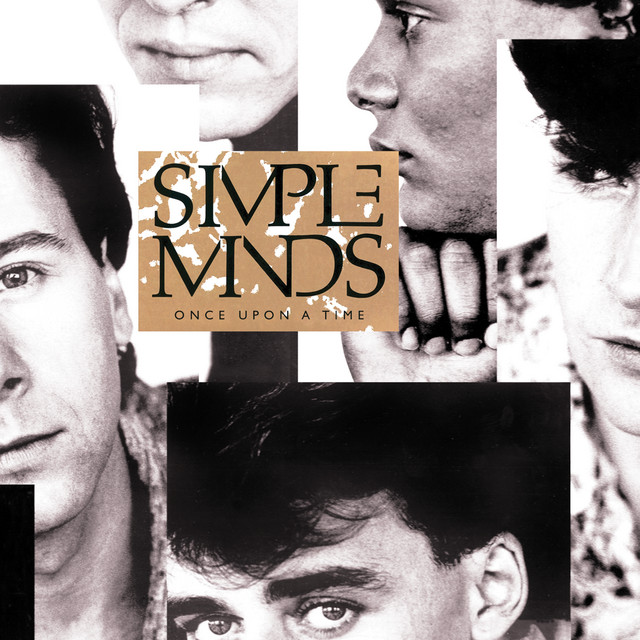
Don’t You (Forget About Me) 1985 – Simple Minds

When I listen to it now, it’s obviously a brilliant, well-crafted pop song. I’m embarrassed we dissed it so much.”

– Guitarist Charlie Burchill (Simple Minds) talking about Don’t You (Forget About Me)

This song which almost noone wanted including initially the Scottish rock band Simple Minds itself became the group’s biggest international hit. The song Don’t You (Forget About Me) was written and composed by the record producer Keith Forsey and the guitarist Steve Schiff for the film The Breakfast Club. Simple Minds were offered a private screening of The Breakfast Club in an effort to change their minds, but they still declined. Their lead vocalist, Jim Kerr, said later: “We couldn’t give a toss about teenage American schoolkids“.

Don’t You (Forget About Me) was originally offered to The Fixx, Bryan Ferry and Billy Idol they all declined (Idol did however record his own version years later). Forsey then asked Simple Minds, who as aforementioned initially refused but eventually agreed per suggestion of their label, A&M. It’s said that the band rearranged and recorded the song in three hours and “promptly forgot about it,” considering it just another song they recorded for somebody. They felt they should only record their own material. But in the wiki reference below: Kerr’s wife, the songwriter Chrissie Hynde of the Pretenders, liked the song and urged him to record it.

Simple Minds, known for their new wave and post-punk style and Don’t You (Forget About Me) would go on to top the US Billboard Hot 100 chart (and No. 7 on the UK chart), making it Simple Minds‘ biggest hit (in the U.S.) to date. I heard it at the gym recently and thought I should really have it in my music library project although I was never taken with it in my youth. To me it now evokes a Smiths-esque charm with its teasing vocal delivery and playfulness which hooks me right in. It speaks about the desire to be remembered and the anxiety that comes with potentially fading from someone’s thoughts and affections.

[Refrain]
Hey, hey, hey, hey
Ooh, woah

[Verse 1]
Won’t you come see about me?
I’ll be alone, dancing, you know it, baby
Tell me your troubles and doubts
Giving me everything inside and out and
Love’s strange, so real in the dark
Think of the tender things that we were working on
Slow change may pull us apart
When the light gets into your heart, baby

[Chorus]
Don’t you forget about me
Don’t, don’t, don’t, don’t
Don’t you forget about me

[Post-Chorus]
Will you stand above me?
Look my way, never love me
Rain keeps falling, rain keeps falling
Down, down, down
Will you recognize me?
Call my name or walk on by
Rain keeps falling, rain keeps falling
Down, down, down, down

[Refrain]
Hey, hey, hey, hey
Ooh, whoa

[Verse 2]
Don’t you try and pretend
It’s my feeling we’ll win in the end
I won’t harm you or touch your defenses
Vanity, insecurity, ah
Don’t you forget about me
I’ll be alone, dancing, you know it, baby
Goin’ to take you apart
I’ll put us back together at heart, baby

[Chorus]

[Bridge]
As you walk on by
Will you call my name?

References:
1. Don’t You (Forget About Me) – Wikipedia

Tagged with: , ,
Posted in Music

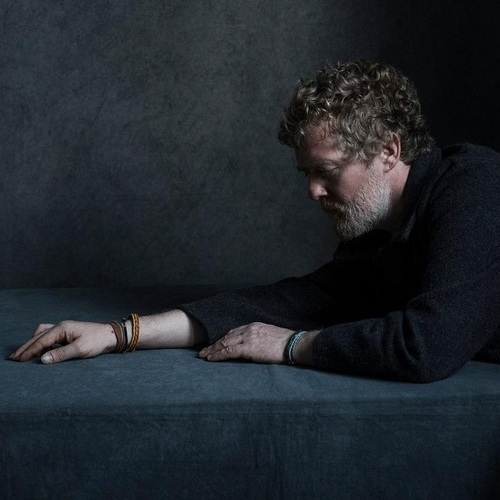
Everytime (2004) – Glen Hansard (Britney Spears Cover)

Irish Singer Songwriter Glen Hansard is no stranger to this blog. I first wrote about him when I reviewed the surprise packet 2007 indie romantic film – Once in which he played a music busker who befriends another musician Markéta Irglová. Their song from the film Falling Slowly won the Academy Award for Best Original Song. I also saw Glen Hansard open for Bob Dylan (twice) in Melbourne the same year his film was released. Allow me to digress one moment…It’s very serendipitous how I see Bob Dylan in Sydney 2001 the night before he received his Academy Award for Things Have Changed from the movie Wonder Boys and then I see Glen Hansard open for Bob in 2007 and soon thereafter he wins the same Academy Award for Falling Slowly in Once. Anyhows, on to today’s featured song.

I would never have thought a Britney Spears song would appear on my blog, but here we are with Everytime. Britney must be praised for her creation here that beautifully captures the heartbreak, regret, and longing of losing a loved one and the desire for reconciliation. Everytime was at the time allegedly about Spears’s ex-partner Justin Timberlake.
Glen Hanson recorded it during a live show at Today FM and then released it on the Irish charity covers compilation, Even Better than the Real Thing Vol. 2. Britney’s original version is a piano based pop ballad (which received universal acclaim from music critics and understandably so), where as Hanson’s is an acoustic guitar and violin folk ballad. The only part of Hanson’s version which falls flat for me is the lackluster ‘bridge’, but otherwise I find it tip-top.

Hansard’s version also features Colm Mac Con Iomaire a fellow Irish composer and musician who plays keyboards, violin and sings with Glen’s band The Frames. Iomaire also played violin for an artist who has featured prominently in my blog – David Gray on his 1998 album White Ladder (on the track Silver Lining).

[Verse 1]
Notice me
Take my hand
Why are we
Strangers when

[Pre-Chorus]
Our love is strong?
Why carry on without me?

[Chorus]
Every time I try to fly, I fall
Without my wings, I feel so small
I guess I need you, baby
And every time I see you in my dreams
I see your face, it’s haunting me
I guess I need you, baby

[Verse 2]
I make believe
That you are here
It’s the only way
I see clear

[Pre-Chorus]
What have I done?
You seem to move on easy

[Chorus]

[Bridge]
I may have made it rain
Please forgive me
My weakness caused you pain
And this song’s my sorry

References:
1. Everytime – Wikipedia

Tagged with: , , , ,
Posted in Music

King Harvest (Has Surely Come) – The Band

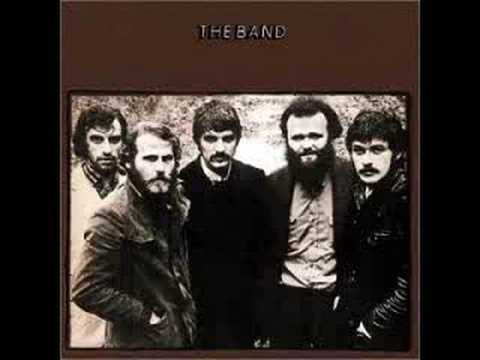
As many of you may know, Garth Hudson, the last surviving member of The Band (second from the right above), passed away recently on January 21, 2025. Today’s article is dedicated to one of Canada’s finest musical exports – The Band. However, as my blogger friend Max at PowerPop pointed out in his article on King Harvest (where I first heard this song), while Levon Helm was from Arkansas, the rest of the group were Canadian. The Band have already appeared here 7 times and their previous entry was Stage Fright from their legendary The Last Waltz concert.

King Harevst is the chronicle of an unlucky farmer who suffers a steady stream of disasters in the Dust Bowl of the 1930s, when severe drought caused massive dust storms and economic devastation. He turns to organized labor for hope. This perhaps referencing the organizing drives of the communist-affiliated Trade Union Unity League, which created share-cropper unions from 1928 to 1935, throughout the U.S. South. Robbie Robertson is a fan of John Steinbeck’s novels about this time, including The Grapes of Wrath. The Band’s music was often deeply rooted in historical and geographical narratives, and King Harvest is no exception.

Robbie Robertson“It’s just a kind of character study in a time period. At the beginning, when the unions came in, they were a saving grace, a way of fighting the big money people, and they affected everybody from the people that worked in the big cities all the way around to the farm people. It’s ironic now, because now so much of it is like gangsters, assassinations, power, greed, insanity. I just thought it was incredible how it started and how it ended up.”

King Harvest originally appeared as the final track on their second album The Band and is credited solely to guitarist Robbie Robertson, although drummer/singer Levon Helm claimed that King Harvest was a group effort. It is a slow-burning, brooding piece which starts with a subdued, almost ghostly opening, before swelling into a blues-inflected groove which lends to its themes of rural hardship and desperation. The song features The Band’s signature mix of rustic Americana, country, and rock elements, with Garth Hudson’s swirling organ. The vocals embody the broken spirit of the farmer, with his earthy, Southern-tinged delivery and was tailor-made for this tale of hardship.

The title itself, King Harvest, refers to a fruitful harvest season – a metaphor for prosperity – but the song’s tone suggests that such rewards remain just out of reach.

[Chorus 1]
Corn in the fields
Listen to the rice when the wind blows ‘cross the water
King Harvest has surely come

[Verse 1]
I work for the union ’cause she’s so good to me
And I’m bound to come out on top
That’s where she said I should be
I will hear every word the boss may say
For he’s the one who hands me down my pay
Looks like this time I’m gonna get to stay
I’m a union man, now, all the way

[Chorus 2]
The smell of the leaves
From the magnolia trees in the meadow
King Harvest has surely come

[Verse 2]
A dry summer, and then come fall
Which I depend on most of all
Hey, rainmaker, can’t you hear the call?
Please let these crops grow tall!
Long enough I’ve been up on Skid Row
And it’s plain to see, I’ve nothing to show
I’m glad to pay those union dues
Just don’t judge me by my shoes

[Chorus 3]
A scarecrow and a yellow moon
Pretty soon, the carnival on the edge of town
King Harvest has surely come

[Verse 3]
Last year, this time, wasn’t no joke
My whole barn went up in smoke
Our horse Jethro, well, he went mad
And I can’t ever remember things being that bad
Now here come a man with a paper and pen
Tellin’ us our hard times are about to end
And then, if they don’t give us what we like
He said, “Men, that’s when you gotta go on strike!”

[Chorus 4]

The music video below was filmed in 1970 at Robbie Robertsons’ studio in Woodstock.

References:
1. Band – King Harvest  (Has Surely Come) ….Canadian Week – PopwerPop
2. King Harvest (Has Surely Come) – The Band

Tagged with: ,
Posted in Music

Life is a Pigsty (2006) – Morrissey

Can you stop this pain?
Even now in the final hour
Of my life
I’m falling in love again

Some Morrissey fans here regard Life Is a Pigsty as the magnum opus of his solo career, and I can understand why. Over a songwriting career spanning 40 years, to me this ‘melodramatic’ track stands among his finest. It’s self-pitying of course, but there are some harsh truths in here. I am drawn to the brooding atmosphere of this song. Indeed, it’s the type of song you should listen to on a hot summer night when a thunder storm is about to erupt. What’s particularly striking is that he wrote it relatively late in his career, defying the common trajectory of artists who burn brightly before fading away.

Speaking of burning bright, this song does the opposite – it begins as a subdued, melancholic piece, with the sound of rain before evolving into a thunderous rock finale. The first section is dark and forlorn with pulsating bass, sounds of thunder, offset by the perfectly placed piano highlights; the drum dominance and the way the song builds in the 2nd section, then crashing drums & guitar bring us the crescendo. Both in atmosphere and its strong production, Life Is a Pigsty reminds me of Njósnavélin (The Nothing Song) by Sigur Rós, one of my favourite mostly instrumental tracks.

Life is a pigsty delves into the profound sense of despair and disillusionment that can permeate life. The repeated phrase serves as a stark metaphor for the chaos, messiness, and inherent suffering that the singer perceives in the world. This bleak outlook is underscored by the recurring motif of the ‘same old S.O.S.’ It explore themes of unchanging identity and the struggle to reach out to others despite being ‘the same underneath,’. The song touches on the theme of love as a redemptive force. Even in the ‘final hour‘ of life, the singer finds himself ‘falling in love again,’. This interplay of despair and hope, suffering and love, forms a rich emotional landscape – one that is quintessentially Morrissey, marked by his signature juxtaposition and darkly poetic sensibility.

[Verse 1]
It’s the same old S.O.S
But with brand new broken fortunes
And once again I turn to you
Once again I do I turn to you

It’s the same old S.O.S
But with brand new broken fortunes
I’m the same underneath
But this you, you surely knew

[Verse 2]
Life is a pigsty
Life is a pigsty
Life is a pigsty
Life is a pigsty
Life, life is a pigsty
Life is a pigsty
And if you don’t know this
Then what do you know?
Every second of my life I only live for you
And you can shoot me
And you can throw me off a train
I still maintain
I still maintain
Life, life is a pigsty
Life is a pigsty
And I’ve been shifting gears all of my life
But I’m still the same underneath
This you surely knew
I can’t reach you
I can’t reach you
I can’t reach you anymore

[Verse 3]
Can you please stop time?
Can you stop the pain?
I feel too cold
And now I feel too warm again
Can you stop this pain?
Even now in the final hour of my life
I’m falling in love again
Again
Even now in the final hour of my life
I’m falling in love again
Again
Again
Again
I’m falling in love again
Again
Again
Again

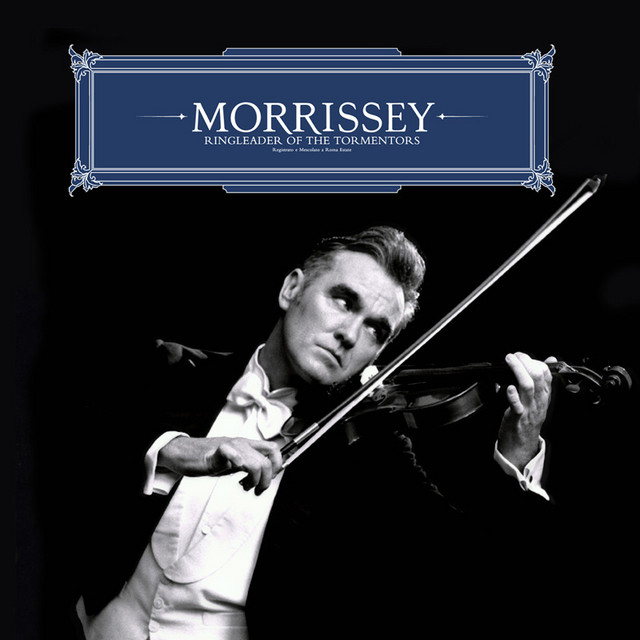
Life is a Pigsty is the 7th song from Morrissey’s 8th studio album Ringleader of the Tormentors. The album debuted at number 1 in the UK Albums Chart and number 27 in the US. It received positive reviews from most critics with an average review score of 75/100 on Metacritic.

References:
1. Morrissey A-Z: “Life Is a Pigsty” – Morrissey Solo
2. Ringleader of the Tormentors – Wikipedia

Tagged with: , ,
Posted in Music

Talk About Love (1996) – My Friend the Chocolate Cake

Anyone familiar with my blog will know what a huge fan I am of David Bridie (far left above image) and My Friend the Chocolate Cake. I first came across Bridie’s music when he sang with legendary aboriginal singer Archie Roach in Melbourne back in the early 2000s. I went on to see him many times solo and with his band My Friend the Chocolate Cake (MFTCC). I even got to talk to him a few times during breaks between sets and album signings, which was a huge delight. I now consider him, hands down, my favourite Australian singer-songwriter.

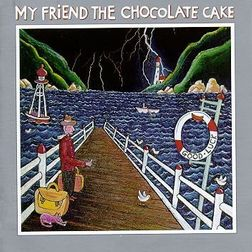
Talk About Love is the 9th song (not to mention another 9 songs from Bridie as a solo artist) to be presented here by the Australian chamber pop group after their previous entry More Heart Than Me. The single is from their 1996 album Good Luck which peaked at No. 44 on the Australian charts and won the ARIA Award for Best Adult Contemporary Album. Talk About Love is a humble acoustic ballad which paints vivid imagery and contains themes of devotion and companionship. It was written by the group’s founder David Bridie and features the band’s characteristic blend of piano, violin and cello.

The following was extracted from Wikipedia:
After the release of the album the group played a sell-out show at Edinburgh Festival in Scotland and toured Europe. They followed with a live album, Live at the National Theatre, in December 1997 where they also performed today’s featured track – Talk About Love.

My Friend the Chocolate Cake were formed initially as an acoustic side project in 1989 by David Bridie on vocals, piano, harmonium and keyboards and Helen Mountfort on cello and backing vocals. Bridie and Mountfort were members of an ambient, world music ensemble Not Drowning, Waving who have featured here as well. In 1989, Bridie had taken a holiday to New Zealand and had written “a few more breezy compositions” that did not fit into the style of not drowning, waving. Upon return to Melbourne, Mountford joined his project with her own writing. My Friend the Chocolate Cake took their name from a song title by an obscure Sydney band, Ya Ya Choral. Bridie admitted that one reason they chose an all-acoustic act was so they did not have to carry around amplifiers.

The moon falls on the railway yard
We walk together arm and arm
Faith and blind devotion
Come glide upon the rusted edge
Never question straight ahead
Right out in to the darkness of the hours that life can
Bring
I’ll stand beside you hold you close
When you’re in need of comfort most
Especially when you make no sense

This is what we mean
When we talk about love
This is what we mean
When we talk about love

I’ve found myself a Hinterland
It’s perfect for a short time
I think you’ll find it likeable
Please wait your hurry
Not too fast
Just hold out while the moment lasts
I know I used to wander
But I promise you that I’ll stay
And if you make some strange mistake
Fall down hard and break your neck
I’ll hang in here just right beside you

This is what we mean
When we talk about love

References:
1. My Friend the Chocolate Cake – Wikipedia

Tagged with: , ,
Posted in Music

Maybe (1980) – Thom Pace

We are following our trip down nostalgia lane with the classic television-show theme song Maybe by Thom Pace. I mentioned in yesterday’s article about how John Denver’s Country Roads and today’s featured track conjured memories of childhood and nature. To me Maybe captured the theme and naturalistic tone of its series perhaps better than any other. I’m referring to The Life and Times of Grizzly Adams, which despite only running for two seasons in the late 1970s, I sure as heck found infectious viewing as a youngster.

Maybe, the theme song, which I assumed I had already written about; came with the chorus at the beginning and a much better sampling at the end of the episodes. It’s a wonderfully conceived song with beautiful lyrics and melody that I have never grown tired of listening to. It’s tailor-made for a show about a recluse’s profound relationship with nature, including his kinship with a gentle grizzly bear named Ben, although ironically it wasn’t the inspiration for the song as you will read below.

Most of the following was extracted from the reference below:

The show (and the feature-film that launched it) starred first-time lead-actor, Dan Haggerty, a former bodybuilder and stuntman, whose unique look and background as an animal-handler won him the title role of Grizzly Adams, a man who fled to the mountain wilderness in the mid 1800s after being accused a murder he didn’t commit. The show was very family-friendly, with heavy emphasis on themes like compassion, kindness, and gratitude. Plus, it was chock-full of cool animals, and amusing exchanges between mountain-man trader “Mad Jack” (Denver Pyle, aka “Uncle Jesse” from The Dukes of Hazzard) and his notoriously stubborn mule, “Number Seven”.

Deep inside the forest
Is a door into another land
Here is our life and home
We are staying, here forever
In the beauty of this place all alone
We keep on hopi-in’

Maybe
There’s a world where we don’t have to run
And maybe
There’s a time we’ll call our own
Livin’ free in harmony and majesty
Take me ho-ome
Take me home

Walkin’ through the land
Where every living thing is beautiful
Why does it have to end
We are calling, oh so sadly
On the whispers of the wind
As we send a dying message

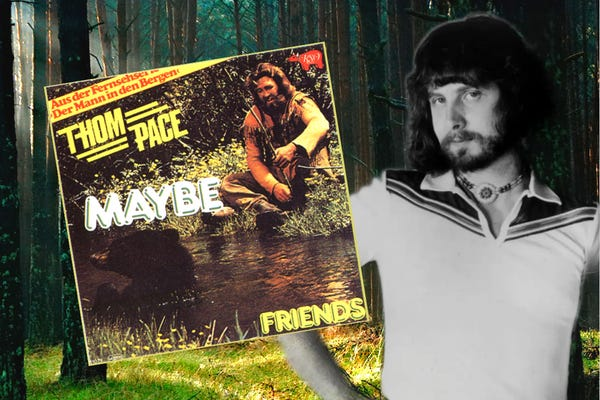
The man behind the tune is Thom Pace, a singer-songwriter from Pocatello, Idaho. Under the Capitol Records label in 1980, he released “Maybe” on a full-length album along with more of his work. As a radio single, the song found international, award-winning success. Thom Pace revealed in an interview from the reference below that he originally wrote the song for a movie called “The Snow Tigers” about two Siberian Tigers who had lost their home due to dwindling forests. He decided to write a song from their point of view about a place where they would be safe and free again. The producer liked the song, but he decided to go full classical instrumental music, so he did not use the song. Chuck Sellier, the producer of Grizzly Adams, heard it a little later and thought that it would be a good song for the ending of the movie.  

Later when I was playing in a club in Alaska, my manager called and said that Sun Classic Pictures wanted to use “Maybe” for the new Grizzly Adams television series. After much discussion, they used it and it worked well for the opening each week. What is not generally known is that it has three verses instead of two, and the only recording with all three verses is a live Reggae version on iTunes that Thom recorded in 2010.

From Wikipedia below:
Another version from the theme from an album that Pace recorded and released during the 1970s, was released as a single in Europe. Maybe went to number one in Germany and stayed there for nine weeks. Pace received the “Goldene Europa” Award, Germany’s version of the Grammy Award for Best Song of 1980. The song also reached No. 14 in the UK Singles Chart  and No. 23 in the Australian Singles Chart.

References:
1. Interview: Thom Pace, Singer/Writer of the “Grizzly Adams” Theme Song – John A. Daly
2. Thom Pace – Wikipedia

Tagged with: , ,
Posted in Music

Follow Blog via Email

Enter your email address to follow this blog and receive notifications of new posts by email.

Join 780 other subscribers

← Back

Thank you for your response. ✨