The Marriage of Figaro (Italian: Le nozze di Figaro), K. 492, is an opera buffa (comic opera) in four acts composed in 1786 by Wolfgang Amadeus Mozart, with an Italian libretto written by Lorenzo Da Ponte. Today’s featured piece the ‘Overture‘ is the third piece to be presented here (although it’s actually the commencement) from the Opera voted by 172 opera singers (BBC News Magazine) as No. 1 for the best opera ever written.
With the French Revolution looming Pierre Beaumarchais wrote the French comedy “The Barber of Seville” in 1773. The opera’s libretto is based on this play and Mozart was intrigued by the material and wrote an Italian Opera buffa ‘The Marriage of Figaro‘ although abstained from much of the political innuendo of the ‘commoners against nobility’ message since previous incarnations of the play had been banned by the authorities.
Interestingly in its premiere at the Burgtheater in Vienna on 1 May 1786, the orchestra had difficulties coming to terms with Mozart’s complicated music. Also, the Viennese audience, was more attuned to the works of the popular Salieri, and were not overly thrilled. In Prague they raved and celebrated Mozart for three weeks.
The Overture being the introduction is a very well known piece from the Opera (often played independently as a concert piece) although two other pieces presented here, namely Act III – Ecco la Marcia (Here is the procession) and Act IV Ah Tutti Contenti (Ah, All Content) are also well known and featured prominently in the movie Amadeus. The Overture bursts forth with a regal fanfare of whirling strings and triumphant flourishes, evoking the romp and elegance of an 18th-century court. Below the Overture, I have presented a scene from Amadeus in which Mozart cleverly disguises the actual contents of the 20 minute Opera scene to the authorities in order to avoid censorship. Mozart is depicted during the movie as being sometimes naive and childish and who doesn’t understand the political situation around him. But he actually does and manipulates it to his advantage as seen below.
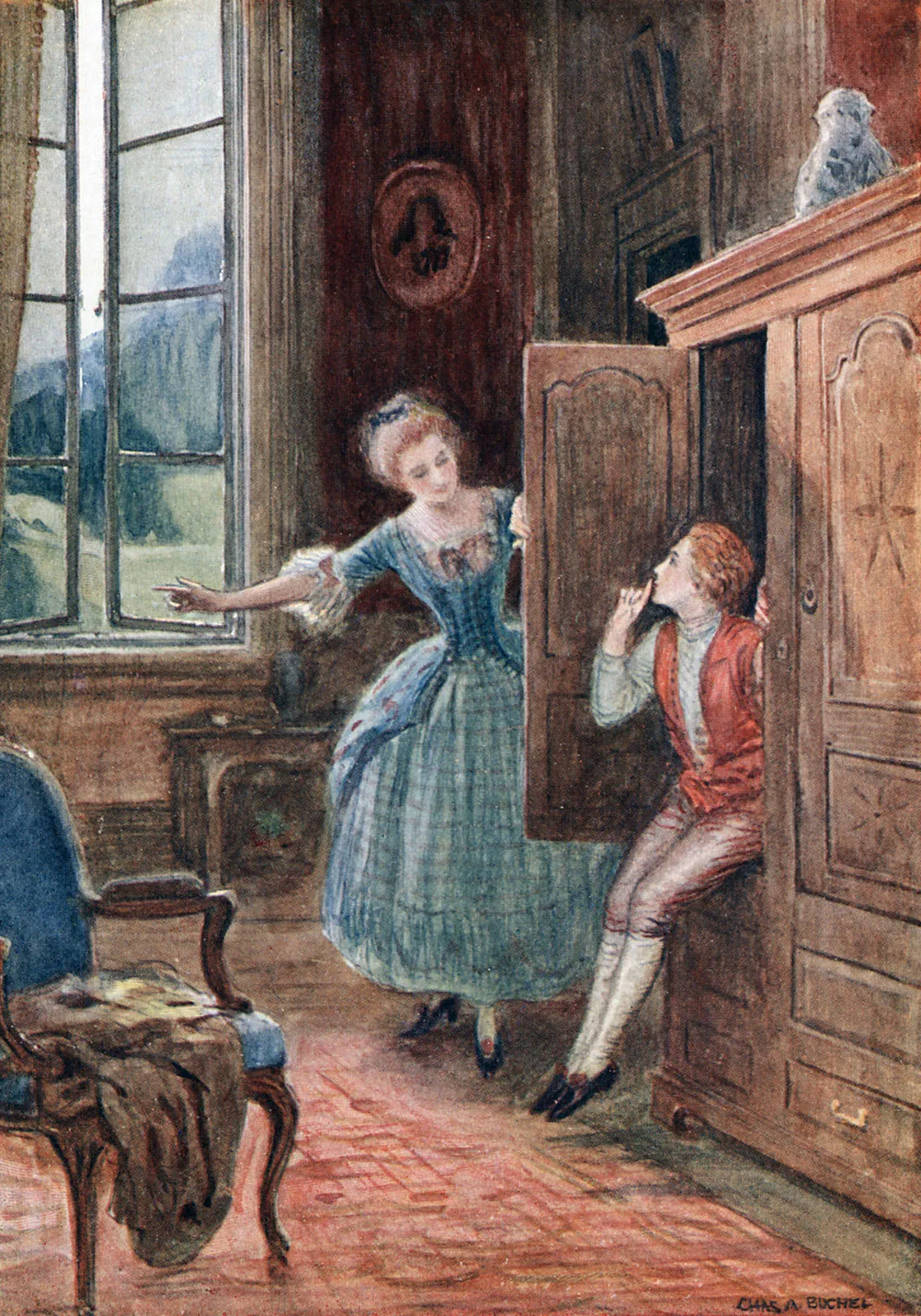
The Opera tells how the servants Figaro and Susanna succeed in getting married, foiling the efforts of their philandering employer Count Almaviva to seduce Susanna and teaching him a lesson in fidelity. The opera is a cornerstone of the repertoire and appears consistently among the top ten in the Operabase list of most frequently performed operas.
References:
1. The Marriage of Figaro – Wikipedia

“The more I live, the more I learn. The more I learn, the more I realize, the less I know.”- Michel Legrand


 Observation Blogger
Mozart is kinda like so cool.
Not that I’m an expert on Mozart – in fact, far from it! But this Overture from ‘The Marriage of Figaro‘ is exactly the type of classical music I associate with Mozart. It has a bit of a similar vibe as “Eine kleine Nachtmusik.”
Unfortunately, I don’t listen to classical music, even though I generally like it. It used to be the same with jazz. Thanks to my Sunday Six feature, I’ve come around.
Perhaps eventually, something similar is going to happen with classical music. There’s also a bit of an intimidation factor. The field of classical music is so enormous. I feel like I don’t even know where to start!
Unlike you, the Overture doesn’t remind me ‘so much’ of Mozart’s music because of its regal fanfare in line with perhaps a Tchaikovsky piece or Vivaldi’s ‘Spring’ from Four Seasons. But I will concede there are similarities here with Mozart’s ‘Eine kleine Nachtmusik’ which he supplied for a celebrative occasion. What reminds me more of atypical-Mozart pieces to my ears are those others from the Opera in the article but that could be because they are more familiar to my ears from the movie.
Like you, I feel almost overwhelmed by the breadth and depth of classical music that I admit too that my knowledge and appreciation is analogous to my only having dipped my little pinky into this vast ocean haha
I love his rebel ways