A couple of weeks ago I was in a local fruit and vegetable store here in Bogotá, Colombia, when I heard this vallenato song come over the shop’s speakers. The young cashier was singing it quite animatedly, and I found myself enjoying the smooth and expressive vocals, melody, rhythm and spirited accordion playing. I asked her what the song was called and she replied, ‘Me Vas a Extrañar’ (Eng: You’re Going to Miss Me), and here we are today.
Vallenato music, which originates from Colombia, is typically focused on themes of romance, passion which certainly this song is. Vallenato literally means someone as “born in the valley”. The name is linked to the people of Valledupar, the city most associated with the genre, whose name comes from Valle de Upar (“Valley of Upar”).

It is traditionally performed by a trio featuring the diatonic button accordion (melody), the caja vallenata (a small single-headed drum providing rhythm), and the guacharaca (a ribbed scraper).
I mentioned earlier romance and passion, but as I began translating the lyrics below, I soon realised Me Vas a Extrañar was not your run-of-the-mill story of unrequited love. The song takes that subject to a far more polemical and darker place, so much so that I weighed up whether to present it here at all because of the troubling sentiments expressed within.
Such was the controversy surrounding the song that it prompted articles in national media outlets. One of Colombia’s most prominent news organisations, Caracol, ran a story under the headline:
‘You’re going to miss me’: Jean Carlos Centeno’s infidelity that became a musical hit
On a superficial level, you could describe the song as one that explores the complex emotions of a man torn between two relationships and ultimately choosing to accept responsibility for a new life while recognising the pain his decision will cause.
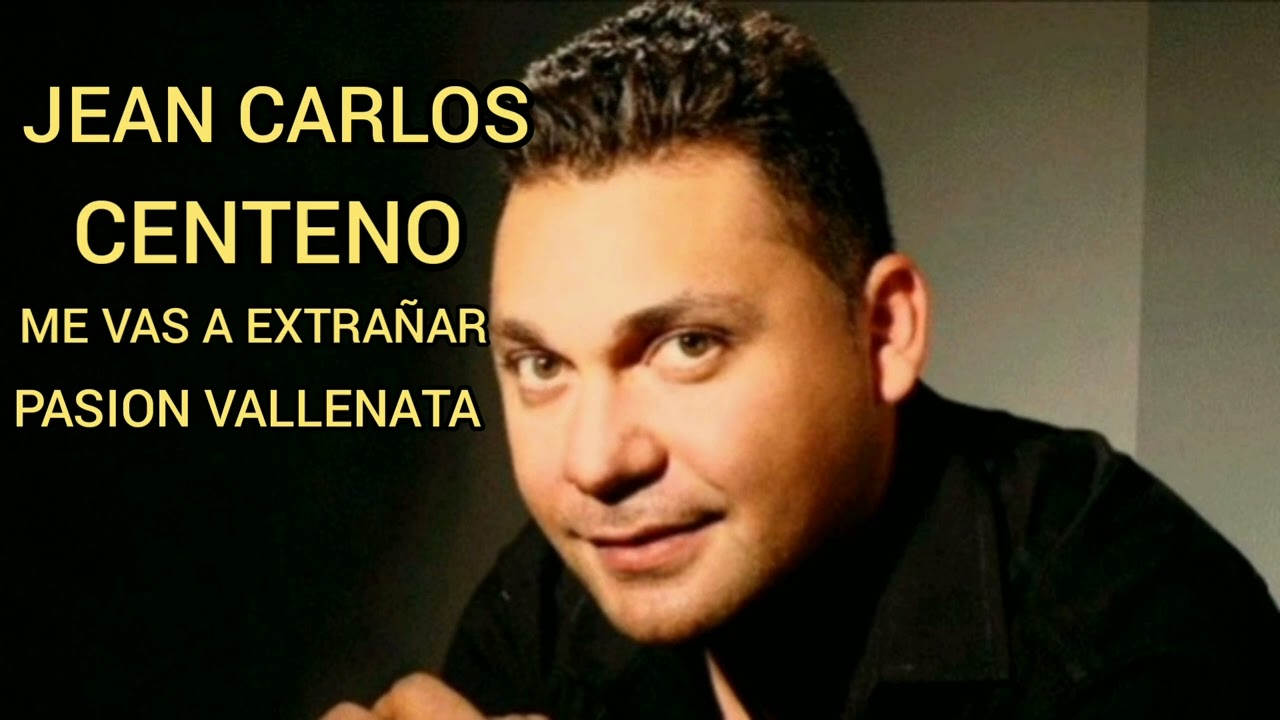
But if we get down to brass tacks, and as is explicitly related in the lyrics (it would be worth reading them before continuing here), and according to Carlos Andrés Centeno, the son of the song’s author and performer Jean Carlos Centeno, the purported true story behind the song is as follows:
Jean Carlos Centeno reportedly dedicated the song to Wendy Orozco, daughter of the late vallenato singer Rafael Orozco, who was his girlfriend at the time. However, Centeno was involved with other women, and during one of those relationships another woman became pregnant with his first son, Carlos Andrés Centeno. Wendy did not forgive the infidelity, and the relationship came to an end.
So, lets not mince words here and these are mine and opinion based on the available information:
In this song, Jean Carlos Centeno dedicates a song to the woman he betrayed after another woman became pregnant with his child. The lyrics present his decision to support the mother and unborn child as the morally correct path, while also telling Wendy that she will miss him when he moves on with someone else. The gall of it! To many listeners, the song can sound less like an apology and more like a justification of his actions.
Adding another layer of irony to the story, Centeno ultimately did not marry either the mother of Carlos Andrés or his fiancée at the time.
It is an outrageous situation and one that must have been degrading and distressing for everyone involved, and I imagine even more so when the song was released and became a hit. The one thing I can give Jean Carlos credit for is his honesty – well, brutal honesty.
So why is the song here, you ask? Well, apart from having one of the most intriguing and unsettling backstories I have ever encountered behind a song, I genuinely like the music. As I mentioned at the beginning, I can see why it became a major hit. Musically, it is appealing and more melodic and ballad-oriented than the typical vallenato song.
But as we have learned on this occasion, as enticing as a song may sound, the story behind it can be far more complicated. Beneath the affectionate expression and emotional delivery lies a tale of infidelity, heartbreak, responsibility and regret. It’s both fascinating and unsettling in equal measure.
Antes de que otra persona a ti llegué / Before someone else comes to you
Con mentiras a cambiarte mi historia / With lies to change my story
Yo te la vengo a contar / I’ve come to tell you
Y escucharas la verdad / And you’ll hear the truth
Hay alguien mas que igual a ti es mi presente / There’s someone else who, just like you, is my present
Lleva en su vientre una inocente criatura / She carries an innocent child in her womb
Y no sabe que hacer / And she doesn’t know what to do
Si pecar o dejarla vivir / Whether to sin or let her live
Yo he decidido darle vida a esa vida / I’ve decided to give life to that life
Aunque tú quieras darle fin a lo nuestro / Even though you want to end what we have
Sólo Dios sabe lo que me pasaría / Only God knows what would happen to me
Si yo a ese niño le arrebato el derecho / If I take away that child’s right
Sólo Dios sabe lo que me pasaría / Only God knows what would happen to me
Si yo a ese niño le arrebato el derecho / If I take away that child’s right
De soñar / To dream
De reir / To laugh
De vivir / To live
Como yo / Like me
Si te pido otra oportunidad / If I ask you for another chance
Te imagino diciendome no / I imagine you saying no
Pero si me marcho con otra al altar / But if I walk down the aisle with someone else
Por siempre vas a extrañarme mi amor / You’ll miss me forever, my love
Cuando me vaya a casar el padre dirá / When I get married, the priest will say
El novio ya puede a su novia besar / The groom may now kiss his bride
Y tú me vas a extrañar me vas a llorar / And you’ll miss me, you’ll cry for me
Porque otra ocupará lugar / Because someone else will take my place
Cuando me vaya a casar el padre dirá / When I get married, the priest will say
Ya los novios se pueden besar / The bride and groom may now Kiss
No me arrepiento de haber sido tu novio / I don’t regret being your boyfriend
Después de todo fue bello conocerte / After all, it was beautiful to meet you
Porque a tu lado viví / Because I lived by your side
Y sentí un verdadero amor / And felt true love
Yo he decidido darle vida a esa vida / I’ve decided to give life to that life
Aunque tú quieras darle fin a lo nuestro / Even though you want to end what we have
Sólo Dios sabe lo que me pasaría / Only God knows what would happen to me
Si yo a ese niño le arrebato el derecho / If I take away that child’s right
Sólo Dios sabe lo que me pasaría / Only God knows what would happen to me
Si yo a ese niño le arrebato el derecho / If I take away that child’s right
De soñar / To dream
De reir / To laugh
De vivir / To live
Como yo / Like me
Si te pido otra oportunidad / If I ask you for another chance
Te imagino diciendome no / I imagine you saying no
Pero si me marcho con otra al altar / But if I walk down the aisle with someone else
Por siempre vas a extrañarme mi amor / You’ll miss me forever, my love
Cuando me vaya a casar el padre dirá / When I get married, the priest will say
El novio ya puede a su novia besar / The groom may now kiss his bride
Y tú me vas a extrañar me vas a llorar / And you’ll miss me, you’ll cry for me
Porque otra ocupará lugar / Because someone else will take my place
Cuando me vaya a casar el padre dirá / When I get married, the priest will say
Ya los novios se pueden besar / The bride and groom may now Kiss
Y tú me vas a extrañar me vas a llorar / And you’ll miss me, you’ll cry for me
Porque otra ocupará lugar / Because someone else will take my place
References:
1. Jean Carlos Centeno – Wikipedia

“The more I live, the more I learn. The more I learn, the more I realize, the less I know.”- Michel Legrand


raw truth…really cool
This song history is amazing, but not pretty. I’m glad you liked it.
that’s exactly the kind of thing that speaks…excellent
I couldn’t agree more