The Future (1992) – Leonard Cohen

“The Future might as easily have been a book: A more troubling, more vexing image of human failure has not been written.”

Christian Wright (Rolling Stone)

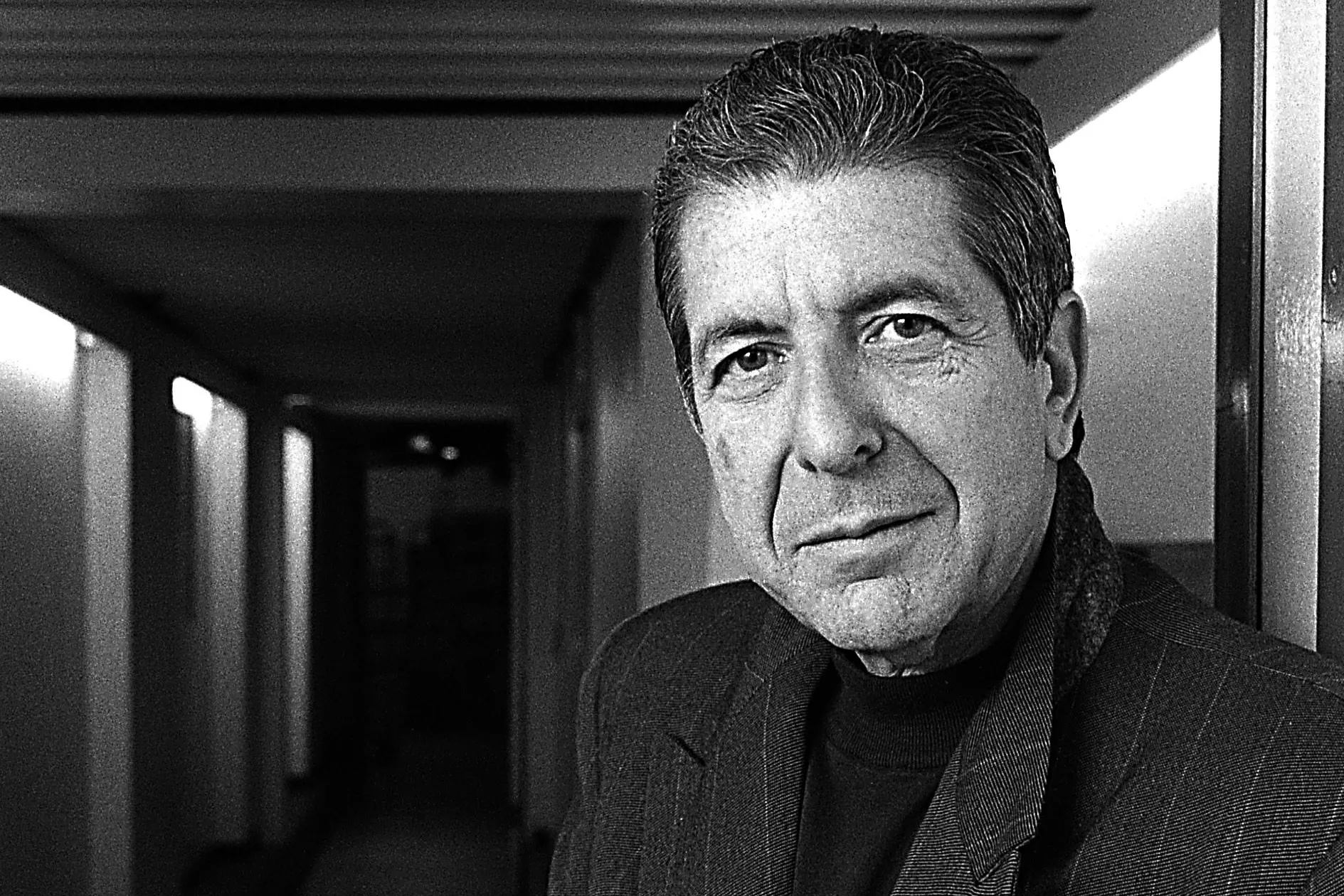
The Future by Leonard Cohen is about as bleak as it gets. And that’s saying a lot for an artist whose final studio album was You Want it Darker (2016). It is certainly one of the songs that has earned Leonard Cohen his reputation for being pessimistic, a prophet of doom. It’s definitely a label I’m well acquainted with, but I prefer ‘romantic pessimist’ which I’m sure he would. The song also featured in the film Natural Born Killers which is certainly not an optimistic look on the world (Quentin Tarantino was a co-writer).

Cohen released The Future at the tail end of the Cold War and the beginning of what would be a new dawn of liberal democracy. But, he predicted the hangover. And a big one at that. “Things are going to slide in all directions / Won’t be nothing you can measure anymore.” What’s chilling is how this feels more akin to what’s happening in the current age than from 1992 especially as far as Post Modernism and Dialectics are concerned – ie banging the thesis and antithesis together and creating a new pseudo reality. But alas there seems to be a tiny door for hope and love in the midst of The Future where Cohen sings:

I’ve seen the nations rise and fall
I’ve heard their stories, heard them all
But love’s the only engine of survival

Leonard said about the Future in in a 1993 Boston Globe interview (see reference at bottom of this post):

“What I find in writing is that at the beginning of the process you try to support your opinions — about the environment, about politics, about where you stand — and I find that even though that may make you a good citizen, it makes for a very bad songwriter. You may get positions you can applaud, but they’re boring, they’re alibis. If you think by saving the forest, you’re going to redeem your soul, you’ve got another thing coming. There’s something else at stake…”

Later Cohen said, “‘The Future’ is dark and funny. If I’d have nailed that to the church door like Martin Luther it’d be a very sinister document. But it’s married to a hot little dance track so, in a sense, the words melt into the music and the music melts into the words and you’re left with a kind of refreshment, a kind of oxygen.”

Two years after this record, Cohen retreated from the world – quite literally. In 1994, he entered the Mount Baldy Zen Center in Los Angeles, where he would spend five years in near-complete solitude. There, he was ordained as a Buddhist monk and given the monastic name Jikan, the “Silent One“.

[Verse 1]
Give me back my broken night, my mirrored room, my secret life
It’s lonely here, there’s no one left to torture
Give me absolute control over every living soul
And lie beside me, baby, that’s an order!

[Verse 2]
Give me crack and anal sex, take the only tree that’s left
And stuff it up the hole in your culture
Give me back the Berlin Wall, give me Stalin and St. Paul
I’ve seen the future, brother, it is murder

[Chorus: Leonard Cohen, Choir, Leonard Cohen & Choir]
Things are going to slide (slide) in all directions
Won’t be nothing (won’t be nothing), nothing you can measure anymore
The blizzard, the blizzard of the world has crossed the threshold
And it’s overturned the order of the soul
When they said (they said) repent (repent), repent (repent)
I wonder what they meant
When they said (they said) repent (repent), repent (repent)
I wonder what they meant
When they said (they said) repent (repent), repent (repent)
I wonder what they meant

[Verse 3]
You don’t know me from the wind, you never will, you never did
I’m the little Jew who wrote the Bible
I’ve seen the nations rise and fall, I’ve heard their stories, heard them all
But love’s the only engine of survival

[Verse 4]
Your servant here, he has been told to say it clear, to say it cold
It’s over, it ain’t going any further
And now the wheels of Heaven stop, you feel the devil’s riding crop
Get ready for the future: It is murder

[Chorus: Leonard Cohen, Choir, Leonard Cohen & Choir]

[Verse 5]
There’ll be the breaking of the ancient Western code
Your private life will suddenly explode
There’ll be phantoms, there’ll be fires on the road
And the white man dancing

[Verse 6]
You’ll see your woman hanging upside down
Her features covered by her fallen gown
And all the lousy little poets coming round
Trying to sound like Charlie Manson
Yeah, the white man dancing

[Verse 7]
Give me back the Berlin Wall, give me Stalin and St. Paul
Give me Christ or give me Hiroshima
Destroy another fetus now, we don’t like children anyhow
I’ve seen the future, baby: It is murder

[Chorus: Leonard Cohen, Choir, Leonard Cohen & Choir]

From the Wikipedia reference below:
The Future made the Top 40 in the UK album charts, went double platinum in Canada, and sold a quarter of a million copies in the U.S., which had previously been unenthusiastic about Cohen’s albums…Cohen also won the Canadian Juno Award for Best Male Vocalist in 1993 for The Future. In his acceptance speech, he quipped, “Only in Canada could somebody with a voice like mine win Vocalist of the Year.”

References:
1. The Future (Leonard Cohen album) – Leonard Cohen
2. The ‘dark and funny’ song that Leonard Cohen would have nailed to a church door – Forward

Tagged with: ,
Posted in Music

The Funeral (2006) – Band of Horses

Seattle indie rock band Band of Horses have been around since 2004. By the time their debut album Everything All the Time appeared in March 2006, they already had seen various line-up changes. Singer-songwriter Ben Bridwell (lead vocals, guitar, pedal steel, keyboards) was the only remaining co-founding member and still is to this day. Here’s The Funeral, which also became the album’s first single. The stunning sound of the song, which is credited to the entire band, drew me in right away.

Chris & Max Pick …songs from 2006 (Christian Music Musings)

Thanks to Christian’s Music Musings’ blog, I’ve been introduced to a wealth of great tracks that had somehow eluded my radar. One such gem is today’s featured song – The Funeral by Band of Horses. With its expansive sonic landscape and sweeping, melancholic melody, it delivers an emotional weight that feels cinematic and yet also personal. Its atmosphere and slow-burning intensity reminded me of another track I featured back in July 2023 – Elastic by Chief Springs. Both songs conjure an ethereal, almost otherworldly mood, blending ambient textures with emotional rawness.

The Funeral begins with a deceptively gentle intro, featuring Ben Bridwell’s reverb-laden vocals floating above shimmering guitar lines. But as the track unfolds, it surges into a thunderous crescendo of distorted guitars and pounding drums – an explosive release that feels like a eulogy at full volume. Lyrically, it dances around themes of loss, disillusionment – “At every occasion I’ll be ready for the funeral,” Bridwell sings, repeating it like a mantra of resignation and preparation. The Funeral seems like a defining track of the indie rock surge of the mid-2000s.

The following was extracted from the Wikipedia article below:

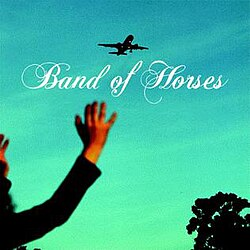
The Funeral by the American rock band Band of Horses is taken from their debut studio album, Everything All the Time (image inset). The alternative rock song was released as the lead single from the album. In August 2009, Pitchfork Media named The Funeral the 67th-greatest song of the 2000s.

Singer Ben Bridwell said, “The basis of The Funeral was just really the start of me whining about my aversion to social occasions and holidays. The pressure of say New Year’s being the best party night of your life, or Christmas being this forced togetherness. I was quite the pessimist in those days when I wrote the song.” Bridwell compared this dread to the feeling one gets before attending a funeral.

The video below tells the story of a man whose dog has died. Saddened by his loss, the man drowns his sorrows in alcohol. He then drives under the influence and the end of the video suggests he crashes head-on into a delivery truck. The video shows a sign for the Galway Bay Bar in Chicago and the cars in the video are all 1970s models.

[Verse 1]
I’m coming up only to hold you under
And coming up only to show you wrong
And to know you is hard, we wonder
To know you all wrong, we won

[Pre-Chorus]
Ooh
Ooh

[Verse 2]
Really too late to call, so we wait for
Morning to wake you is all we got
But to know me as hardly golden
Is to know me all wrong, they won

[Chorus]
At every occasion, I’ll be ready for the funeral
At every occasion once more, it’s called the funeral
At every occasion, oh, I’m ready for the funeral
At every occasion of one billion day funeral

[Bridge]
I’m coming up only to show you down for
And coming up only to show you wrong
To the outside, the dead leaves they own the lawn
‘Fore they died and had trees to hang there upon

References:
1. The Funeral (Band of Horses song) – Wikipedia

Tagged with: , ,
Posted in Music

The Four Seasons (1725) – Antonio Vivaldi

This blog is enjoying a welcome refresh today with a spotlight on the spectacular set of four violin concerti by the Italian Baroque master, Antonio Vivaldi. Known collectively as The Four Seasons, these pieces have transcended time and genre, becoming some of the most recognisable works in classical music. Given their enduring popularity in mainstream culture – from regal ceremonies, film soundtracks to coffee shop playlists – it’s likely that most readers have encountered these compositions before. The Four Seasons is Vivaldi’s second music entry after his Concerto For Mandolin In C Major RV425 Allegro (1725).

In particular, this post highlights the vibrant Spring and the evocative Autumn concerti, featured at the end of this post. You see, Vivaldi’s Four Seasons are played in the order of Spring, Summer, Autumn, and Winter, reflecting the chronological progression of the seasons. Spring bursts forth with joyful energy, evoking blooming meadows and chirping birds, while Autumn captures the rustic revelry of harvest time, with a surprising dip into the gentle sleep of falling leaves. Together, they not only showcase Vivaldi’s flair for musical storytelling but also stand as pivotal works in the history of programmatic music – a genre where sound vividly paints scenes and emotions. Music with a narrative element, if you like.
Vivaldi took great pains to relate his music to the texts of the poems, translating the poetic lines themselves directly into the music on the page. For example, in the middle section of the Spring concerto, where the goatherd sleeps, his barking dog can be marked in the viola section. 

Antonio Lucio Vivaldi (4 March 1678 — 28 July 1741), nicknamed il Prete Rosso (“The Red Priest”) because of his red hair, was an Italian Baroque composer, priest, and virtuoso violinist, born in Venice. Vivaldi is recognized as one of the greatest Baroque composers, and his influence during his lifetime was widespread over Europe. Vivaldi is known mainly for composing instrumental concertos, especially for the violin, as well as sacred choral works and over 40 operas. His best known work is of course today’s featured music – The Four Seasons.

Many of his compositions were written for the female music ensemble of the Ospedale della Pietà, a home for abandoned children where Vivaldi worked between 1703 and 1740. Vivaldi also had some success with stagings of his operas in Venice, Mantua and Vienna. After meeting the Emperor Charles VI, Vivaldi moved to Vienna hoping for preferment. The Emperor died soon after Vivaldi’s arrival, and the composer died a pauper, without a steady source of income. Though Vivaldi’s music was well received during his lifetime, it later declined in popularity until its vigorous revival in the first half of the 20th century.

References:
1. The Four Seasons – Britannica

Tagged with: , , ,
Posted in Music

The First Time I Ever Saw Your Face (1969) – Roberta Flack

I wish more songs I had chosen had moved me the way that one did. I’ve loved [most] every song I’ve recorded, but that one (“The First Time Ever I Saw Your Face”) was pretty special.

— Roberta Flack, The Daily Telegraph, July 16, 2015.

The first time I heard this song, it was love at first listen – and that feeling has never faded. Even now, it still kills me softly with its slow-burning passion and aching sense of yearning. Few songs I’ve encountered are as heartfelt and spellbinding, where love seems to pour from every note and that so completely capture the essence of falling in love as Roberta Flack’s transcendent The First Time Ever I Saw Your Face.

It’s almost unfair how haunting this song is. With the most delicate of piano chords and Flack’s voice caressing each syllable, time seems to slow down. She barely raises her voice, yet somehow it’s the quietest moments that hit the hardest. It feels like a relationship condensed into a few breaths, each breath carrying the weight of devotion. It’s no surprise that this song became an anthem for weddings. She later explained she sang it very slowly – more slowly than originally intended – because she wanted “the space to think about what the lyrics meant”.

The song was originally written by Scottish folk singer Ewan MacColl in 1957 for his partner Peggy Seeger which you can hear here. Roberta Flack recorded her version in 1969 for her debut album First Take, but it wasn’t until Clint Eastwood selected it for a love scene in his 1971 directorial debut Play Misty for Me that it reached widespread acclaim. Clint had called Flack at home and asked if he could use the song in his film. From there, the song catapulted to No. 1 on the Billboard Hot 100 and stayed there for six weeks in 1972. It won the Grammy Award for Record of the Year and Song of the Year.

The First Time Ever I Saw Your Face became the first of several big hits for Flack over the next few years including of course Killing Me Softly which I was remiss not to have already included here. Roberta Flack is an American singer, songwriter, and pianist who was born on February 10, 1937, in Black Mountain, North Carolina. She attended Howard University in Washington, D.C., where she received a degree in music education. I encourage you to read more about her music career in the Wikipedia reference below.

Flack retired from touring and recording in 2019 after she suffered a stroke and was forced to cancel a series of concerts. In 2022, it was announced that Flack had been diagnosed with ALS, commonly known as motor neuron disease (MND). Flack died of cardiac arrest on February 24, 2025, on her way to a hospital in New York City. She was 88 years old.

[Verse 1]
The first time, ever I saw your face
I thought the sun rose in your eyes
And the moon and the stars
Were the gifts you gave
To the dark, and the endless skies

[Verse 2]
And the first time, ever I kissed your mouth
I felt the earth move in my hand
Like the trembling heart
Of a captive bird
That was there, at my command
My love

[Verse 3]
And the first time, ever I lay with you
I felt your heart so close to mine
And I knew our joy
Would fill the earth
And last, ’til the end of time
My love

[Outro]
The first time, ever I saw
Your face
Your face
Your face
Your face

References:
1. The First Time Ever I Saw Your Face – Wikipedia
2. The Story Behind the Song “The First Time Ever I Saw Your Face” by Roberta Flack – Hubpages

Tagged with: , ,
Posted in Music

7/4/25 – 13/4/25 – Elton John & Rory McIlroy

news on the march

Welcome to Monday’s News on the March – The week that was in my digital world.

Elton celebrates ‘extraordinary’ 10th number one album
Article and audio interview at BBC news and sound

I was delighted to read this news about Elton considering some disturbing recent articles reporting his loss of eyesight such as ‘can’t watch sons play rugby‘.
Elton John’s collaboration with US country star Brandi Carlile on the record ‘Who Believes in Angels‘ has topped the charts 52 years after the star’s first number one. “It seems quite extraordinary that my career has gone on so long“. In the BBC’s ‘Top of the Pops‘ audio podcast he discusses the making of the record (from 13:30 min and is interspersed with sample music from the record):

Elton: “I had more doubt on this record than I’ve had in my life. I just wanted it to be special…But if I had been on my own, without Bernie, Brandi and Andrew this record could never have got made. It was the combination of all the energy in the room. All the aggravation, all the anxiety, pushed us to make electric music…When I got to make it (the record), I was exhausted, tired, grumpy, you know she pushed me and Andrew pushed me and Bernie pushed me. I didn’t want to make the same record I made years before. I wanted it to be fresh and exciting.”

Brandi: I had like existential doubt because there was the risk of what if the lyricists who I idolised didn’t approve of my lyrics..what would happen the first time I put my lyrics down in front of Elton John, what if he was just like it doesn’t inspire me, he couldn’t write to it. And also Elton wasn’t exactly the zen master…you know, he was feeling these things too which manifest in him in kind of a very short attention span and it’s intense. When it clicked – Wow!

Rory McIlroy’s four-year-old daughter Poppy sinks putt at Augusta
Video at Guardian Sport

I remember when I was a wee-tacker in Australia and my father waking me up in the dead of the night to watch the premier event on the golfing calendar – The Masters. Since I moved to Colombia in 2009, the UTC−05:00 time zone fits snugly into the Golf schedule, so I can watch most events during waking hours. This also goes with other sports I adore including World Football, Baseball and Tennis. The only sport that I’m crazy about which doesn’t correspond to my current time zone is Australian Football (AFL).

As we embark on Holy Week (Semana Santa) here, after my son’s football training yesterday we dedicated the afternoon to watching the last round of The Masters. This event you could describe as ‘The Wimbledon’ or ‘the World Cup’ of Golf. The Irish golfer Rory McIlroy was chasing yet again (11 years to be exact after his third major) the ‘Grand Slam’ of Golf. He had won the three other majors, but was yet to chalk off the biggest and most prestigious major there-is. Low and behold, the 35-year-old from Northern Ireland became only the sixth man and the first European to win the career Grand Slam of Masters, Open Championship, US Open and US PGA Championship titles.

I cannot begin to describe how special it was to see this ‘once in a generation event’ with my children – shot by shot until McIlroy’s last putt on the 1st play-off hole to win against the classy and unfortunate Englishman Justin Rose (his second defeat at the Masters in a play-off -Ouch!). When someone tells you that golf is boring you direct them to this final round. Couldn’t believe the rollercoaster of emotions.

In the final nine holes, McIlroy delivered four of the greatest approach shots I’ve ever witnessed in one round – including the unforgettable one on the first playoff hole at the 18th, which all but sealed victory. Granted, his putting – his Achilles’ heel – continued to trouble him, but it didn’t matter in the end. He battled on with a grit matched by few before him to achieve this near-unassailable crowning moment.

I highly recommend his official press conference after victory where he begins with – I would like to start this press conference with a question myself – what are we all going to talk about next year?

The key moments of Rory’s success can be found in any sporting news page today or scattered all over You Tube, but the video I would like to share here was not even in the Masters event exactly. It was in the family day prelude last Wednesday, when Rory McIlroy’s four-year-old daughter Poppy stole the show at the Masters Par Three Tournament sinking an incredible putt alongside him. The remarkable shot sparked heartwarming celebrations from McIlroy and his family, as well as playing partner Shane Lowry.
Now if that video doesn’t induce a big grin in a sporting fan, I don’t know what would.

That is all. Thank you for reading.

Tagged with: , , , , , ,
Posted in Movies and TV, Music, News, Sport and Adventure

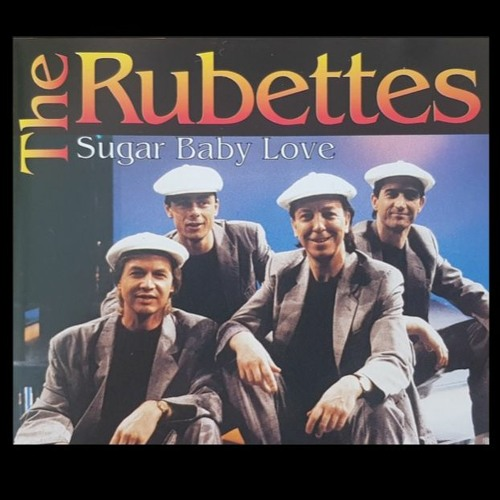
Sugar Baby Love (1974) – The Rubettes

In the early 1970s, Wayne Bickerton and Tony Waddington wrote a number of songs only to have them rejected by every recording artist they sent them to.  So, they did what any zealous songwriter would do; they created a band and called it, The Rubettes.

Sugar Baby Love – Seventies Music

Sugar Baby Love is a dazzling ‘doo-wop’ song that instantly turns me into a teenager. The other day I was watching the start of the fabulous Australian movie Muriel’s Wedding (Toni Collette’s break-out movie) where today’s featured track appears. I instantly added it to my music library project because Sugar Baby Love always gives me with that ‘guilt-free’ sugar rush. It is glam rock’s venture into the realm of rock ‘n’ roll tribute music. ‘Cheesy pop’ or better known as ‘Bubblegum Pop’ at its finest.

This record begins with ‘Twist and Shout’ Aaaahs that overlap and ascend and then, fifteen seconds in, a falsetto so high and piercing knocks you sideways.
Sugar baby love, Sugar baby lo-ove, I didn’t mean to make you blue…
The singer is trying to suck up to his sweetheart and apologise for an unspecified misdemeanour. As you do…

Cowriter Wayne Bickerton recalled:

We had Paul DaVinci singing in that incredibly high falsetto voice and then a vocal group sings ‘Bop-shu-waddy’ over and over for about 3 minutes. Gerry Shury, who did the string arrangements, said, ‘This is not going to work: you can’t have a vocal group singing ‘Bop-shu-waddy’ non-stop.’ A lot of people said the same thing to us and the more determined I became to release it. The record was dormant for 6 or 7 weeks and then we got a break on Top of the Pops and it took off like a rocket and sold 6 million copies worldwide. Gerry said to me, ‘I’m keeping my mouth shut and will concentrate on conducting the strings.‘”

Sugar Baby Love was The Rubettes first and only No. 1 song and released in the same month as my birthday – January 1974. Yippy! It stayed at No. 1 for 4 weeks on the UK charts. It also peaked at No. 37 in the US. After they released Sugar.. they produced eight more UK top 40 songs. They also released ten albums, the last being in 1995, although they continue to tour (in one form or another) today. On stage, The Rubettes are known for their trademark white suits and cloth caps.

On 21 September 2014, as part of the Rubettes 40th anniversary, original members, Alan Williams, John Richardson and Mick Clarke returned to the Olympia in Paris, the venue of The Rubettes’ first appearance in France in 1974 when Sugar Baby Love topped the French and European charts.

Sugar Baby Love!
Sugar Baby Love!
I didn’t mean to make you blue!
Sugar Baby Love!
Sugar Baby Love!
I didn’t mean to hurt you!

All lovers make
Make the same mistakes
Yes! They do
Yes! All lovers make
Make the same mistakes
As me and you

Sugar Baby Love!
Sugar Baby Love!
I didn’t mean to make you blue!
Sugar Baby Love!
Sugar Baby Love!
I didn’t mean to hurt you!

People take my advice!
If you love someone
Don’t think twice!

Love your baby love!
Sugar Baby Love!
Love her anyway!
Love her everyday!

References:
1. Sugar Baby Love – Wikipedia
2. Sugar Baby Love – Seventies Music

Tagged with: , , ,
Posted in Music

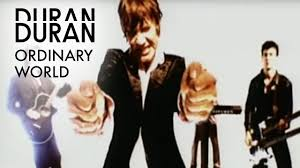
Ordinary World (1992) – Duran Duran

I always felt I could relate to so many aspects of this song – Ordinary World – both its lyrics and its sound seem to echo something familiar. The song captures the experience of loss – not just losing someone, but the kind of loss that leaves your world so changed, so fractured, that trying to piece it back together becomes a new kind of journey. It’s about navigating the aftermath, finding your footing in a version of life you never planned for, but finding semblance to the Ordinary World which perhaps you had taken for granted.

Two phrases come to mind whenever I hear this song: “The little things… there’s nothing bigger, is there?” and the reminder that Every Passing Minute is Another Chance to Turn it all Around.” These lines (both from the movie Vanilla Sky) speak to the quiet, often overlooked moments that carry the most weight – and to the hope that change (because we are blessed with amazing grace) is still possible, even after everything’s come undone. Ordinary World simply carries a quiet wisdom: that “less is more”. It feels like a pause, a breath.

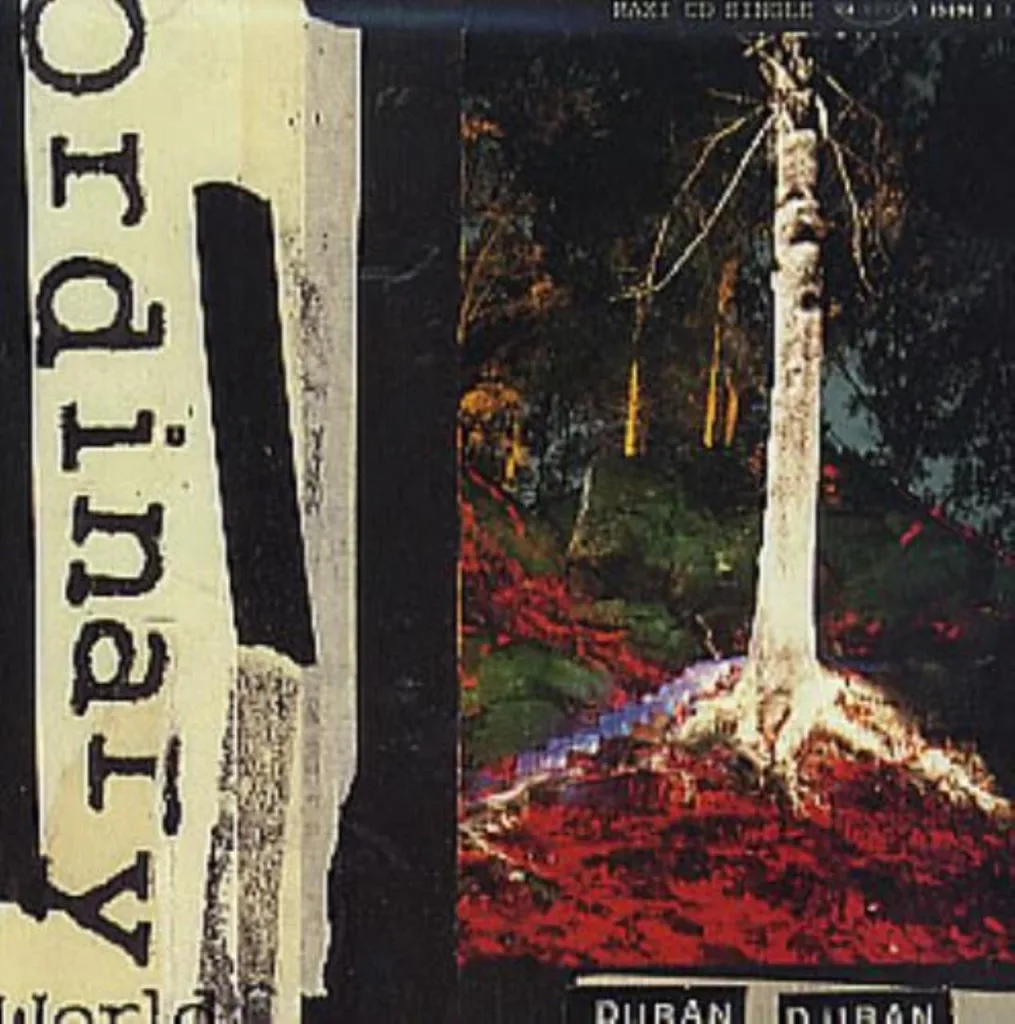
Ordinary World was released by the English pop rock band Duran Duran. It is from their second self titled album (image inset), known in fan circles as the Wedding Album. The single reached No. 3 on the Billboard Hot 100 and No. 6 in the UK. According to the Duranie web site below: it’s part of a trilogy of “ghost songs” about Simon Le Bon’s friend David Miles who died of a drug overdose in 1986. (The trilogy includes “Do You Believe in Shame?” (1988) and “Out of My Mind” (1997).

Ordinary World came just in the nick of time because by the early 1990s, Duran Duran’s career was in decline following the underwhelming reception of their 1990 album Liberty. Also their drummer departed and bassist John Taylor and keyboardist Nick Rhodes faced personal difficulties, and singer Simon Le Bon considered stepping away from music. Amid these struggles, guitarist Warren Cuccurullo took the lead in revitalising the band, converting his Battersea home into a makeshift studio to provide creative control without the high costs of a traditional studio they used to record all of their albums.

The development of Ordinary World became a turning point, restoring confidence in their musical direction following the uprising of other genres like grunge. It was one of the first ideas they worked on in the studio.
Simon recalls the chorus basically writing itself, and the rest of the song followed in record time.

Once the core of the track was nailed down, the band dove headfirst into the recording process. Under the watchful ear of producer-engineer John Jones, the band was able to push the boundaries, layering sounds, tweaking arrangements, and revisiting ideas until the track crossed the rooftops and run away to become a hit.DuranDuranies.com

Ordinary World remains one of Duran Duran’s most popular songs and, in October 2021, was their second-most streamed song in the UK.

[Verse 1]
Came in from a rainy Thursday on the avenue
Thought I heard you talking softly
I turned on the lights, the TV and the radio
Still, I can’t escape the ghost of you

[Pre-Chorus]
What has happened to it all?
Crazy, some’d say
Where is the life that I recognize?
(Gone away)

[Chorus]
But I won’t cry for yesterday, there’s an ordinary world
Somehow I have to find
And as I try to make my way to the ordinary world
I will learn to survive

[Verse 2]
Passion or coincidence once prompted you to say
“Pride will tear us both apart”
Well now, pride’s gone out the window, ‘cross the rooftops, run away
Left me in the vacuum of my heart

[Pre-Chorus]
What is happening to me?
Crazy, some’d say
Where is my friend when I need you most?
(Gone away)

[Chorus]
But I won’t cry for yesterday, there’s an ordinary world
Somehow I have to find
And as I try to make my way to the ordinary world
I will learn to survive

[Guitar Solo]
Ooh-ooh, ooh-ooh, Ah-uh-huh

[Verse 3]
Papers in the roadside tell of suffering and greed
Fear today, forgot tomorrow
Ooh, here beside the news of holy war and holy need
Ours is just a little sorrowed talk (Just blown away)

[Chorus]
And I don’t cry for yesterday, there’s an ordinary world
Somehow I have to find
And as I try to make my way to the ordinary world
I will learn to survive

[Outro]
Every world is my world (I will learn to survive)
Any world is my world (I will learn to survive)
Any world is my world
Every world is my world

References:
1. Ordinary World (song) – Wikipedia
2. Ordinary World by Duran Duran: The Story Behind the Hit Song – DuranDuranies

Tagged with: , ,
Posted in Music

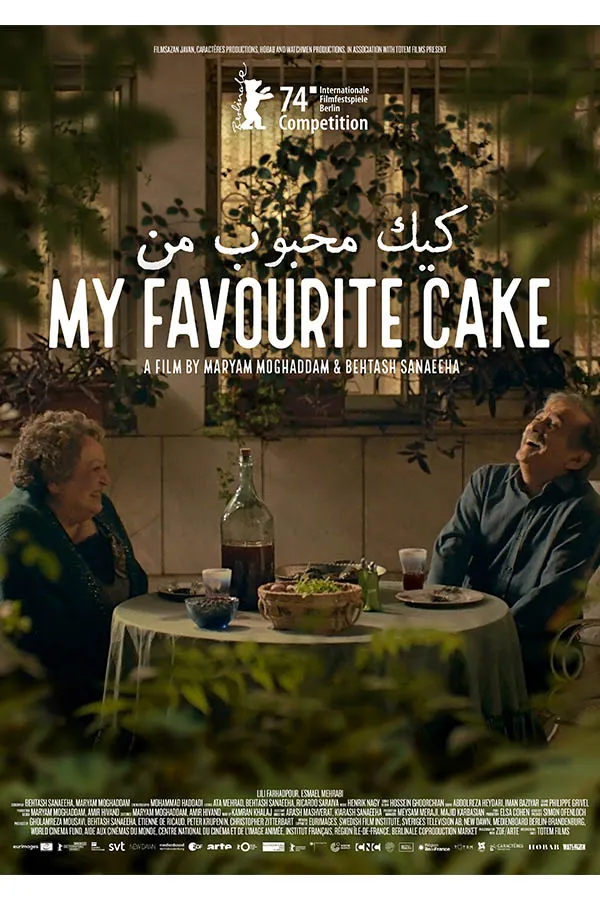
My Favourite Cake (2024) – Maryam Moghaddam and Behtash Sanaeeha (Friday’s Finest)

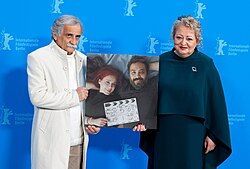
Esmail Mehrabi and Lily Farhadpour from My Favourite Cake with a photo of Maryam Moghaddam and Behtash Sanaeeha, who were not allowed to leave the country (Berlinale 2024)

The creators, Maryam Moghaddam and Behtash Sanaeeha of My Favourite Cake were charged by the Iranian Government with propaganda, vulgarity and spreading prostitution. They were forbidden from leaving Iran, were under arrest as of February 2025. The red lines they crossed entails their movie showing a woman drinking alcohol, dancing, and not wearing a headscarf in her home. The film was represented by the film’s lead actors at its premiere and film festivals.

I saw this quiet and powerful film at the cinema 2 weeks ago. My Favourite Cake is the second Iranian film to feature here after – A Separation (2011) which currently sits at No. 17 on my Favourite Movies List.
What I enjoy most about watching foreign films is how they transport me to places I might never have the luxury to visit, making me feel as though I’m exploring the sights and soaking up the history, culture, and customs alongside the protagonists – all for the price of a movie ticket. I have come to like films where I can watch other people’s lives. People doing every day things. And when they are set in different cultures especially one as distinct as Iran – even more interesting.

Storyline:
70-year-old Mahin has been widowed for 30 years and her two children live abroad. She is living a lonely life in Tehran. But one day, she decides to join her friends for the afternoon tea and finds a new spark in her heart. She meets someone who makes her feel alive again, and the evening brings unpredictable surprises and memories.

I knew nothing about the plot going into seeing My Favourite Cake and I always prefer it that way as I can immerse myself in each scene without any preconceived notions of where the story might be heading. For instance, I cannot even describe fully here the type of film My Favourite Cake is (apart from ‘romance drama‘) since even that would reveal too much. Any one who has seen this film, will know why I’m being so fastidious even describing the full genre of this movie.

As I alluded to earlier, I was so touched by the beauty in the little things, the dinner with Mahin’s girlfriends, how she spends her day. (I posted at the end of this post a tranquil, but charming little scene which encapsulates the film’s understated elegance). Then, out of the blue, Mahin decides – for the first time in her life – to confront her loneliness and lack of companionship by pursuing her ‘desires’ in a place where women’s rights are severely restricted. So this is what happens:

“Mahin” a lonely, widowed, retired nurse who has lived by herself for many years, happens to overhear a conversation in the government run pensioner’s cafe that points out that taxi driver “Faramarz” (Esmaeel Mehrabi) is also single. She quite quickly determines to track him down and next thing she is in his cab.

The film becomes riveting and tense when Mahin just goes for it! Well you can also guess that things are not going to go to plan either – and we are given a few subtle clues along the way to manage our expectations as this entertainingly mischievous story develops. There’s a dance scene in the film that filled me with such euphoria, I began to clap and bop along in my seat. I think that’s a first for me as a film-goer in the cinema.

As Mahin, (Farhadpour) captivates with a warm, compelling presence, effortlessly drawing in her new companion. A quiet, believable chemistry simmers between them as the bulk of the narrative takes place in her home – where they cautiously navigate the ever-present risk of being discovered by the feared morality police, who could penalise them simply for sharing private time together, despite their age. What makes this film resonate is its subtle yet sharp critique – not only of societal perceptions of aging but also of the enduring gender inequality that sees women granted few freedoms. And yet, at its heart, the film is disarmingly funny, offering up themes of bashfulness, resilience, hope, and self-assurance, all tinged with a sly, dark wit.

My Favourite Cake had its world premiere on 16 February 2024, as part of the 74th Berlin International Film Festival, in competition. The Iranian Government would not permit the directors to attend, so they issued a statement to be read out at the screening by actress Lily Farhadpour, including these words

We have come to believe that it is no longer possible to tell the story of an Iranian woman while obeying strict laws such as the mandatory hijab. Women for whom the red lines prevent the depiction of their true lives, as full human beings. This time, we decided to cross all of the restrictive red lines, and accept the consequences of our choice to paint a real picture of Iranian women – images that have been banned in Iranian cinema ever since the Islamic Revolution

My Favourite Cake is a film made in praise of life. This is a story based on the reality of the everyday lives of middle-class women in Iran, a close look at a woman’s solitude as she enters her golden years. A vision of the reality of women’s lives which has not often been told. It is a story that is contrary to the common image of Iranian women, and similar to the life stories of many lonely people on this planet, about savoring the short, sweet moments in life…

References:
1. My Favourite Cake – IMDB
2. My Favourite Cake – Wikipedia
3. ‘We’re charged with propaganda, vulgarity and spreading prostitution’: the directors of My Favourite Cake – The Guardian

Tagged with: , , ,
Posted in Movies and TV

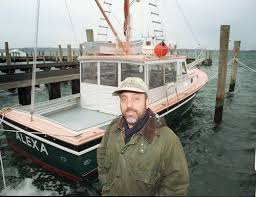
The Downeaster ‘Alexa’ (1989) – Billy Joel

In “The Downeaster Alexa’”, Billy Joel sings of my beloved Montauk where we vacationed for 34 consecutive summers until Covid hit. Sadly, for various reasons, we have not returned since then. The references in the song to actual places, nautical and otherwise, such as Block Island Sound, Gardiner’s Bay, and Islanders juxtaposed against more mythical or religious lines (“giants out there in the canyon,” “where God only knows,” and “I am trawling Atlantis”) help convey a sense of a life rooted in gritty realism but controlled by larger forces.

– ‘Storm Front‘ at The Elephant’s Trunk

I saw Billy Joel’s Stormfront tour in ’91 in Sydney with my schoolmate Gary. He’s actually the one who drew the caricature of my family – that’s the featured image in my ‘Reflection’ menu. Anyway, Gary was a massive Billy Joel fan. We used to go back and forth over music because while he was all about Billy, I leaned more towards Elton John. I still remember when Elton’s Kiss the Bride came out – Gary would mock me by belting out, “I want to kiss the bridegroom!” A clever comeback, just like his caricature. So yeah, I went to the concert mostly to appease Gary, though I did (and still do) dig a lot of Joel’s music – especially today’s featured track.

I’m not sure how I forgot about ‘The Downeaster ‘Alexa’, but I was happily reunited with it through my friend Nancy’s aptly titled blog post, Storm Front, over at The Elephant’s Trunk.

I’m about to do something I don’t usually do – reblog Nancy’s article below. Given her personal connection to the song and remarkable talent as a writer, I think it’s only fitting to hand over the reins to her on this occasion. She gives the track the justice it truly deserves.

[Verse 1]
Well I’m on the downeaster “Alexa”
And I’m cruising through Block Island Sound
I have charted a course to the Vineyard
But tonight I am Nantucket bound
We took on diesel back in Montauk yesterday
Left this morning from the bell in Gardiner’s Bay
Like all the locals here I’ve had to sell my home
Too proud to leave, I work my fingers to the bone


[Verse 2]
So I could own my downeaster “Alexa”
And I go where the ocean is deep
There are giants out there in the canyons
And a good captain can’t fall asleep
I got bills to pay and children who need clothes
I know there’s fish out there, but where God only knows
They say these waters aren’t what they used to be
But I got people back on land who count on me

[Verse 3]
So if you see my downeaster “Alexa”
And if you work with the rod and the reel
Tell my wife I am trolling Atlantis
And I still have my hands on the wheel

[Bridge]
Yay-o
Yay-o
Yay-o
Yay-yay-o

[Verse 4]
Now I drive my downeaster “Alexa”
More and more miles from shore every year
Since they told me I can’t sell no stripers
And there’s no luck in swordfishing here
I was a bayman like my father was before
Can’t make a living as a bayman anymore
There ain’t much future for a man who works the sea
But there ain’t no island left for islanders like me

Tagged with: , , ,
Posted in Music

Sweet Jane (1970) – The Velvet Underground

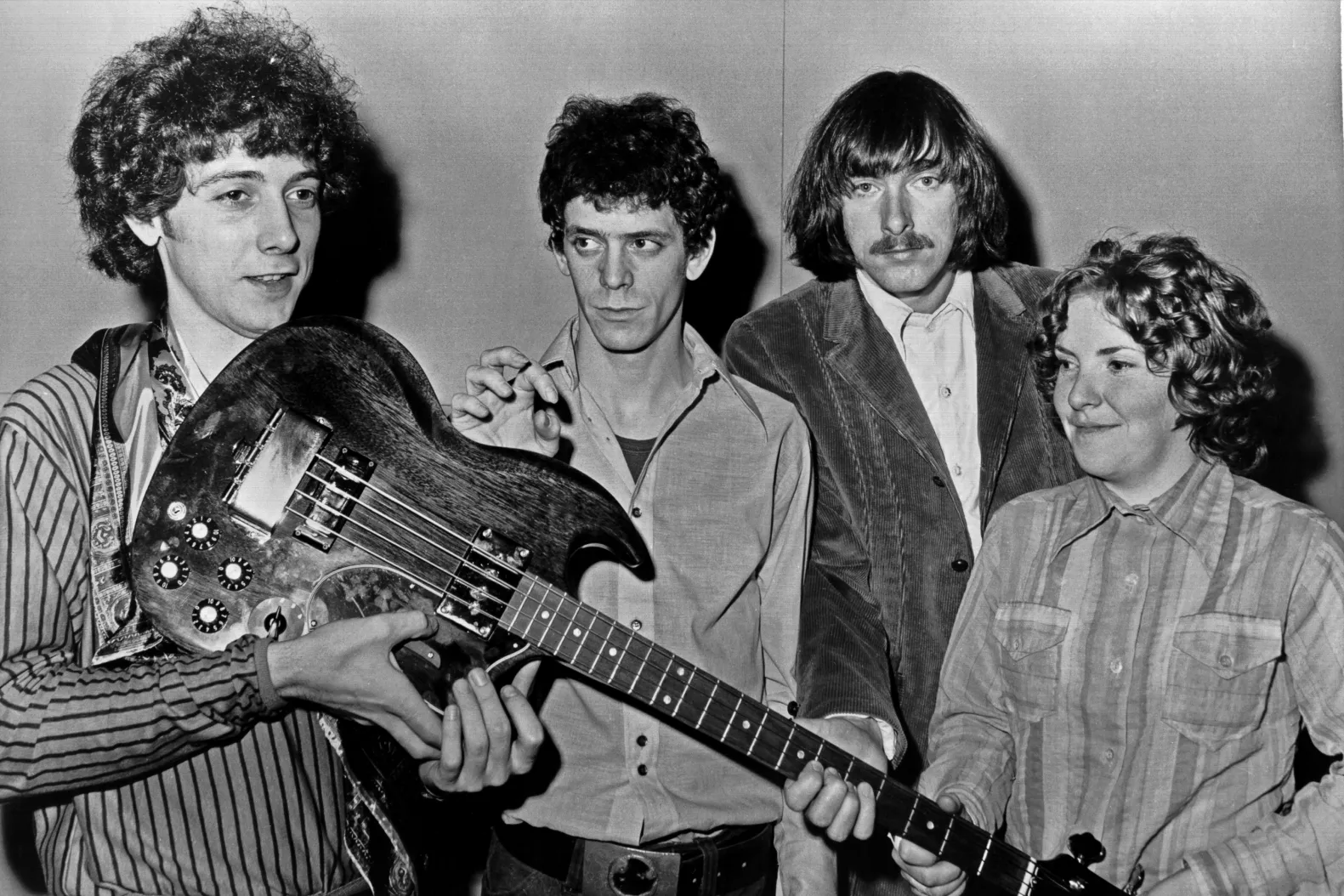
I had Sweet Jane in my collection, but inexplicably rendered it obsolete for use here. Then when I heard it again yesterday while doing chores I made note to make amends. So here we are today with what Rolling Stone ranked No. 335 on its list of the 500 Greatest Songs of All Time. Appearing on the Velvet Underground’s fourth studio album Loaded (1970), Sweet Jane was written by band leader and primary songwriter Lou Reed, who continued to incorporate the piece into live performances after he left the band. There are more versions of this song than you can swing a cat at, including a 1969 early version which Rolling Stone highlighted in their article below. But the version I’ve gone with below is the 2015 – 45th anniversary full length version.

The main riff of Sweet Jane is deceptively simple, but it’s irresistibly groovy, creating a laid-back swagger that anchors the song. But towards the end – the song transforms into a Hey Jude-ish ‘la la la la la la’ when instrumentals coalesce into a wild mesh of hypnotic rhythm. Also throughout, Lou Reed’s signature inimitable voice is unmistakable here. It stretches and bends certain phrases with elongated, almost tongue-in-cheek inflections. There’s humor, weariness, and cool detachment – an effortless charm like a joke you’re in on as a listener.

Lyrically, Sweet Jane drifts through a lucid dreamscape, introducing a cast of characters – each rooted in different epochs and realities. Among them are the singer, who’s part of a rock ’n’ roll band, and a couple: Jack the banker and Jane the clerk. They symbolize the conventional 9-to-5 class of an antiquated society, steeped in tradition and classical music. The singer, in contrast, pleads for recognition of the raw, spontaneous beauty of rock ’n’ roll and the authenticity found in living outside societal norms. But really it becomes less a love letter to rock than a self-aware meditation on identity, routine, and the mythologies we buy into.

The following was extracted from Wikipedia:
In a 2005 interview, former Velvet Underground member Doug Yule stated that the main signature “riff” of the song (as it appears on Loaded) was finalized in the studio just before the tracks were recorded, and it was achieved by Lou Reed’s playing “cranked-up very loud” through a large Sunn amplifier. In addition to recording the bass track, the drums on the recording were performed by Doug Yule because Velvet drummer Maureen Tucker was pregnant at the time and not present during the Loaded sessions.

[Verse 1]
Standin’ on the corner
Suitcase in my hand
Jack is in his corset, Jane is in her vest
And me, I’m in a rock ‘n’ roll band
Huh
Riding in a Stutz Bear Cat, Jim
Ya know, those were different times
Oh, all the poets they studied rules of verse
And those ladies, they rolled their eyes

[Chorus]
Sweet Jane, woah
Sweet Jane, oh oh
Sweet Jane

[Verse 2]
Let me tell ya somethin’, Jack, he is a banker
And Jane, she is a clerk
And both of them save their monies
Hah, and when, when they come home from work
Ooh, sittin’ down by the fire, oh
The radio does play the classical music there, Jim
The March of the Wooden Soldiers
All you protest kids, you can hear Jack say
Get ready

[Verse 3]
Some people, they like to go out dancin’
And other peoples, they have to work, just watch me now
And there’s even some evil mothers
Well, they’re gonna tell you that everything is just dirt
You know that women never really faint
And that villains always blink their eyes, ooh
And that, ya know, children are the only ones who blush
And that life is just to die
But anyone who ever had a heart
Oh, they wouldn’t turn around and break it
And anyone who ever played a part
Oh, they wouldn’t turn around and hate it


[Bridge]
Heavenly wine and roses
Seem to whisper to her when he smiles
Heavenly wine and roses
Seem to whisper to her, hey, when she smiles

References:
1. Hear the Velvet Underground Play an Early Version of ‘Sweet Jane’ – Rolling Stone
2. Sweet Jane – Wikipedia

Tagged with: , ,
Posted in Music

Follow Blog via Email

Enter your email address to follow this blog and receive notifications of new posts by email.

Join 780 other subscribers

← Back

Thank you for your response. ✨