Only yesterday Christian and I were discussing where the weight of emphasis of ‘voice’, ‘melody’ and ‘lyric’ lies in a song. Sometimes it’s melody that draws us in, then the voice is considered and often times lyrics remain the last aspect. Christian went on to add: ‘…the order also depends on the type of song, especially since I’ve become fluent in English. If it’s a political song, lyrics become front and center‘. I would consider today’s Grammy award winning track Gotta Serve Somebody one such song where the lyrics are preeminent being both a political and religious song although one could argue the religious dimension is the most evident.
The lyrics emphasize the idea that regardless of one’s status in life, the refrain, “But you’re gonna have to serve somebody,” highlights the inevitability of choosing a side in the spiritual battle between good and evil.
Gotta Serve Somebody can also be viewed as political in a broader sense. The song critiques the social structures and hierarchies of society, pointing out that even those in positions of power—be they rulers, wealthy business people, or influential cultural figures—are not truly autonomous. In this way, the song touches on political themes by questioning the nature of power and authority, suggesting that no one is exempt from accountability or moral duty. See ‘The Rule of Law‘.
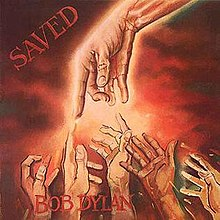
Gotta Serve Somebody was released as the opening track on his 1979 studio album Slow Train Coming and is the third song to be presented from that record after his previous entry Precious Angel. It won the Grammy Award for Best Rock Vocal Performance by a Male in 1980. Despite being from Dylan’s maligned ‘Christian’ phase including last week’s Saving Grace, Gotta Serve Somebody is in my estimation an upper-tier Dylan release. But not everyone thought that way: John Lennon famously criticized the song and wrote a parody titled “Serve Yourself” in response.
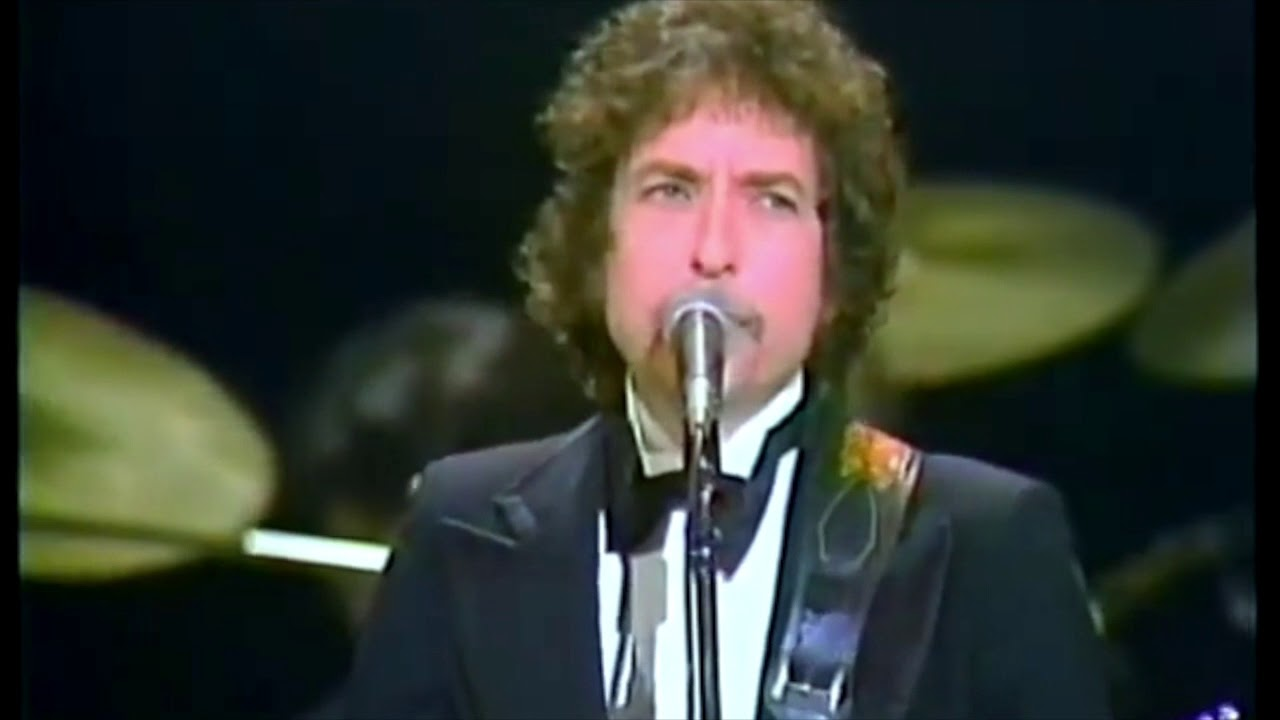
The effort is still Dylan’s latest top 40 hit on the Hot 100, peaking at No. 24 and remaining on the chart for 12 weeks. Dylan has performed the song over 500 times in concert between 1979 and 2024. The live versions he has performed in more recent years feature almost entirely new lyrics.
[Verse 1]
You may be an ambassador to England or France
You may like to gamble, you might like to dance
You may be the heavyweight champion of the world
You may be a socialite with a long string of pearls
[Chorus]
But you’re going to have to serve somebody, yes indeed
You’re going to have to serve somebody
Well, it may be the devil or it may be the Lord
But you’re going to have to serve somebody
[Verse 2]
You might be a rock ’n’ roll addict prancing on the stage
You might have drugs at your command, women in a cage
You may be a business man or some high-degree thief
They may call you Doctor or they may call you Chief
[Chorus]
[Verse 3]
You may be a state trooper, you might be a young Turk
You may be the head of some big TV network
You may be rich or poor, you may be blind or lame
You may be living in another country under another name
[Chorus]
[Verse 4]
You may be a construction worker working on a home
You may be living in a mansion or you might live in a dome
You might own guns and you might even own tanks
You might be somebody’s landlord, you might even own banks
[Chorus]
[Verse 5]
You may be a preacher with your spiritual pride
You may be a city councilman taking bribes on the side
You may be working in a barbershop
You may know how to cut hair
You may be somebody’s mistress, may be somebody’s heir
[Chorus]
[Verse 6]
Might like to wear cotton, might like to wear silk
Might like to drink whiskey, might like to drink milk
You might like to eat caviar, you might like to eat bread
You may be sleeping on the floor, sleeping in a king-sized bed
[Chorus]
[Verse 7]
You may call me Terry, you may call me Timmy
You may call me Bobby, you may call me Zimmy
You may call me R.J., you may call me Ray
You may call me anything but no matter what you say
[Chorus]
References:
1. Gotta Serve Somebody – Wikipedia