I found A Thousand Stars at Max’s blog – PowerPop. I would encourage you to read his article in the link below:
I don’t know how many people know this song but it took me twenty years to find it. I heard it in 1986 on an oldies station. I just caught the middle to the end and it intrigued me. It was haunting to me at the time the few times I heard it.
Every time they would play it (and it wasn’t much) I wouldn’t catch who it was…it never dawned on me to call the station and ask. It took me till around 2008 to remember enough of the song to track it down…
Kathy Young was only 15 years old in 1960 when this song hit. It (A Thousand Stars) peaked at No. 3 in the Billboard 100. This was their one and only top ten hit. It was written by Eugene Pearson.
Kathy Young made a return to music in the mid-1990s and has since then continued to perform to the present day.
A thousand stars in the sky like the stars in your eyes They say to me that there’ll never be No other love like you-oo for me-e-e A thousand stars in the sky make me realize You are the one love that I‘ll adore Tell me you love me Tell me you’re mine once more (once more, once mo-o-ore) Each night I count the stars in the sky Hoping that you aren’t telling me lies you’re with me tonight, I’m captured by your charms Oh, pretty baby, won’t you hold me in your arms? A thousand stars in the sky make me realize You are the one love that I‘ll adore Tell me you love me Tell me you’re mine once more (once more, once mo-o-ore) Each night I count the stars in the sky Hoping that you aren’t telling me lies you’re with me tonight, I’m captured by your charms Oh, pretty baby, won’t you hold me in your arms? A thousand stars in the sky make me realize You are the one love that I‘ll adore Tell me you love me Tell me you’re mine once mo-o-re (I-I-I’m yours)
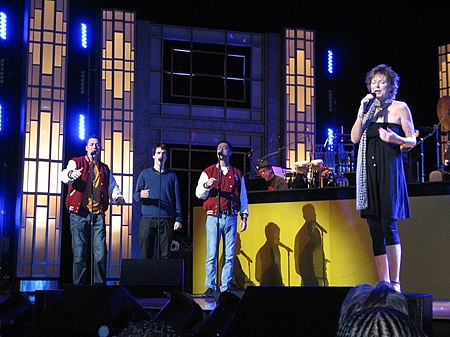
Kathy Young with The Earth Angels performing Kathy’s hit “A Thousand Stars” during the festival of this genre celebrated at the Benedum Center for the Performing Arts in Pittsburgh, Pennsylvania in May 2010.
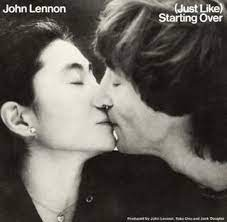
[Just Like] Starting Over was released 45 days before John Lennon was murdered on the 8th of December 1980. It was Lennon’s final single released in his lifetime. As my blogger friend Max mentioned in a recent post: Lennon has been dead longer than he was alive, which puts things into perspective..too much bloody perspective.
[Just Like] Starting Over was the first new release from Lennon after a 5-year absence from the music industry. It was chosen by Lennon not because he felt it was the best track on the album, but because it was the most appropriate following his five-year absence from the recording industry. He referred to it during production as the “Elvis/Orbison” track, as he “tongue in cheek” impersonated their vocal styles.
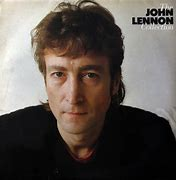
I was fascinated by Starting Over growing up since it appeared on his posthumous compilation The John Lennon Collection. I don’t know how many times I put the needle down on this record (see image left), but it was a lot. We had one of those old wooden turntables which look like a dresser, and I remember sitting at the front of the fireplace and listening to it and starting over (reminiscent of the song). It was between Elton John, Don Williams, Abba and John Lennon in my early youth who I heard the most from.
[Intro] Our life together is so precious together We have grown – we have grown Although our love is still special Let’s take a chance and fly away somewhere alone
[Verse 1] It’s been too long since we took the time No-one’s to blame, I know time flies so quickly But when I see you darling It’s like we both are falling in love again It’ll be just like starting over (over) Starting over (over)
[Outro] Our life together is so precious together We have grown – we have grown Although our love is still special Let’s take a chance and fly away somewhere… (Over and over and over) Starting over
“All through the taping of “Starting Over,” I was calling what I was doing “Elvis Orbison”: “I want you I need only the lonely.” I’m a born-again rocker, I feel that refreshed, and I’m going right back to my roots.”
– John Lennon
Composition (from the Wikipedia article below):
Although its origins were in unfinished demo compositions like “Don’t Be Crazy” and “My Life”, it was one of the last songs to be completed in time for the Double Fantasy sessions. “We didn’t hear it until the last day of rehearsal,” producer Jack Douglas said in 2005. Lennon finished the song while on holiday in Bermuda, and recorded it at The Hit Factory in New York City just weeks later. The song was originally titled “Starting Over”; however, “(Just Like)” was added prior to its release because of its similarity to Dolly Parton’s “Starting Over Again” which had topped the US Country Charts earlier in the year. The chiming bell that opens the song was a deliberate allusion to the heavy tolling church bell that opens Lennon’s 1970 song “Mother”, illustrating how far Lennon had come in ten years.
In the first 15 minutes, History of Violence presents the scenes and events of any town USA: a small-town diner, a baseball game, and a sneering, varsity high school bully. It’s a facade of sorts; the calm before the storm. It soon gets blurry and icky when our protagonist Tom Stalls (Viggo Mortenson) the owner of the diner single-handedly foils a robbery and saves a few lives (as presented at the bottom of this post). Sometimes as an audience member coming into a movie, knowing less is more and that’s certainly the case for History of Violence. I’ll leave the rest of the plot I’m willing to disclose in the IMDB Storyline below.
What I like most about History of Violence is how its fond of feinting toward familiar territory, only to veer away. Just when we think we’ve seen if before, in Natural Born Killers, Cape Fear, and the “just when I think I’m out, they pull me back in” tropes of countless crime flicks, it shifts its focus. The contemplation of violence, both pre and post-facto, rather than the acts themselves, drive the film. A History of Violence doesn’t force itself with preaching or moralizing, but simply unfolds.
Leading a happy and quiet life with his lawyer wife and their two children in the small town of Millbrook, Indiana, mild-mannered Tom Stall cherishes his simple, uneventful existence. However, their idyllic lifestyle is shattered when, one night, Tom saves his customers and friends in self-defence, foiling a vicious attempted robbery in his diner by two violent wanted criminals. Now, heralded as a local hero, Tom’s life is changed overnight, attracting unwanted attention, and a national media feeding frenzy. Uncomfortable with his newfound celebrity, Tom tries to return to normalcy, only to find himself confronted by a mysterious man who arrives in town believing Tom is the man who wronged him in the past. More and more, as Tom and his family struggle to cope with their new reality and this case of mistaken identity, they have no other choice but to fight back and protect all that they hold dear. But, is there more to Tom than meets the eye? Does he have, indeed, a history of violence?
The following are extracts from the Wikipedia reference below:
A History of Violence is a 2005 action thriller film directed by David Cronenberg and written by Josh Olson. It is an adaptation of the 1997 graphic novel of the same title by John Wagner and Vince Locke. It was in the main competition for the 2005 Palme d’Or. It has been described as one of the greatest films of the 2000s and praised for its performances, screenwriting and atmosphere. It is also notable as being one of the last major Hollywood films to be released on VHS. On Rotten Tomatoes, 88% of 216 critics’ reviews are positive, with an average rating of 7.90/10 and Metacritic assigned the film a score of 82 out of 100, based on 37 critics, indicating “universal acclaim“.
For the sex scene on the stairs, David Cronenberg was concerned about the two actors getting hurt on the hard wooden steps. He asked his stunt man whether or not he had any stunt pads for the sex scene. Pads were not used for most of the scene however, and in the shot when Edie is naked on the bed with bruises visible on her back, make-up was used to hide the amount of bruises that Maria Bello received from the scene.
William Hurt received an Oscar nomination for this film for Best Supporting Actor despite only being in one scene which lasted less than 10 minutes.
The first four minutes and 28 seconds of the movie at the seedy roadside hotel is a single, uninterrupted take without a single cut until Billy enters the motel office.
Actor Viggo Mortensen praised the film as “one of the best movies [he’s] ever been in, if not the best“, also declaring it was a “perfect film noir” or “close to perfect“.
When Kasey sings these lines above, my heart melts. This is why I listen to and write about music. I don’t even have to ‘try’ to write or create when magic like this occurs. …You wait for it come to you and when it gets close enough like when Kasey sings ‘I don’t want you that bad‘ – you reach for it and make a pet out of it. (ala Charles Bukowski’s epitaph – ‘Don’t Try‘)
Kasey’s music has been cranking out here like a sausage machine. Her previous entry Nullarbor Song where I relayed my brother’s arduous journey crossing Australia’s Nullarbor plain, struck a chord with my small, but loyal following. Let us carry on then with another great song from my favourite Australian cowgirl.
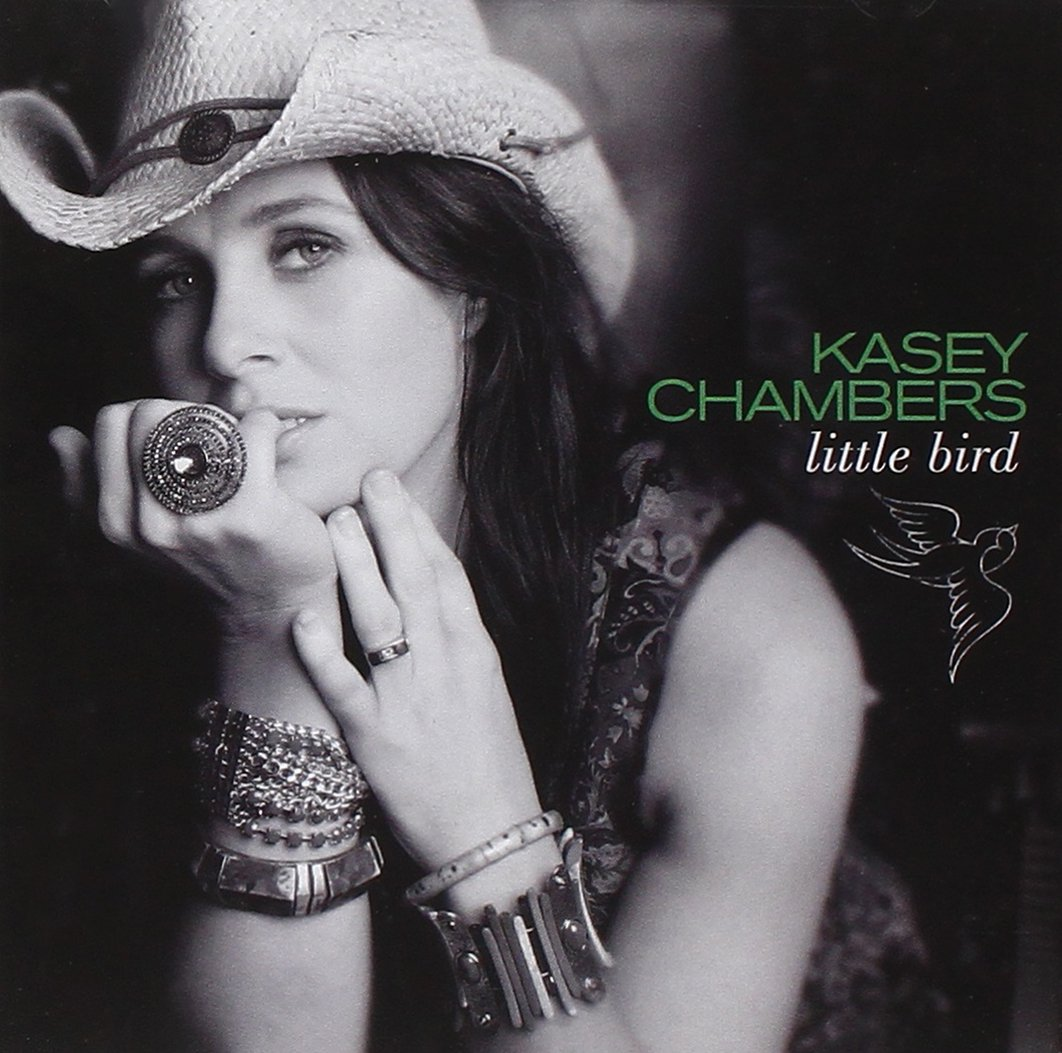
A little bird told me late last night that if I hold my breath and do everything right You might come back If I color my hair and I wear it down and I make you laugh like a circus clown You might come back And a little bird said with the wink of an eye if I beg real hard and I do not cry You might come back If I keep my opinion under my breath and I only bring it out when the master says You might come back But I don’t want you that bad No I don’t want you that bad
The following is from the Wikipedia reference below:
Little Bird is the title track from Kasey’s seventh studio album released on 17 September 2010. The first single was today’s song Little Bird. The album peaked at number three on the Australian ARIA Charts, becoming Chambers’ first album to miss the number one spot since her debut album, The Captain, which peaked at number eleven in 1999.
Music critic Alexey Eremenko, in his Allmusic wrote “Little Bird is more old school, as it peppers the pop hits with honest to God country numbers, complete with banjo and fiddle… With Chambers, the music and the words sometimes tether on the brink of cliché, not archetype. But for the most part, she is still able to deliver her tunes with honesty that makes you think about feelings she’s conveying, not her recording budgets, as is the case with many over-processed country stars out there.“
When I was reflecting on Kasey’s fantastic lyrics in Little Bird I couldn’t help but think of a line I wrote in a couple of posts:
I won’t forget when people walk away they do so forever
Kasey’s trying to save face (but I don’t want you that bad) in the wake of a broken relationship where she would like to make amends and seek atonement. When I met Tatiana; a special person in my life a few years ago; I happened to be at a low point, and she could sense it. I don’t blame her for getting the hell out. But like Kasey in ‘Little Bird‘ I have changed so much since then that I regret not having met her in the place I now find myself. The timing sux frankly:
But a little bird told me as plain as day if I changed my name and I change my way You might come back If I sell my soul for the greater cause If I burn my records and I listen to yours You might come back
Ankidroid additions related to Science, History and Philosophy. More information about Anki can be found in this article.
Genes
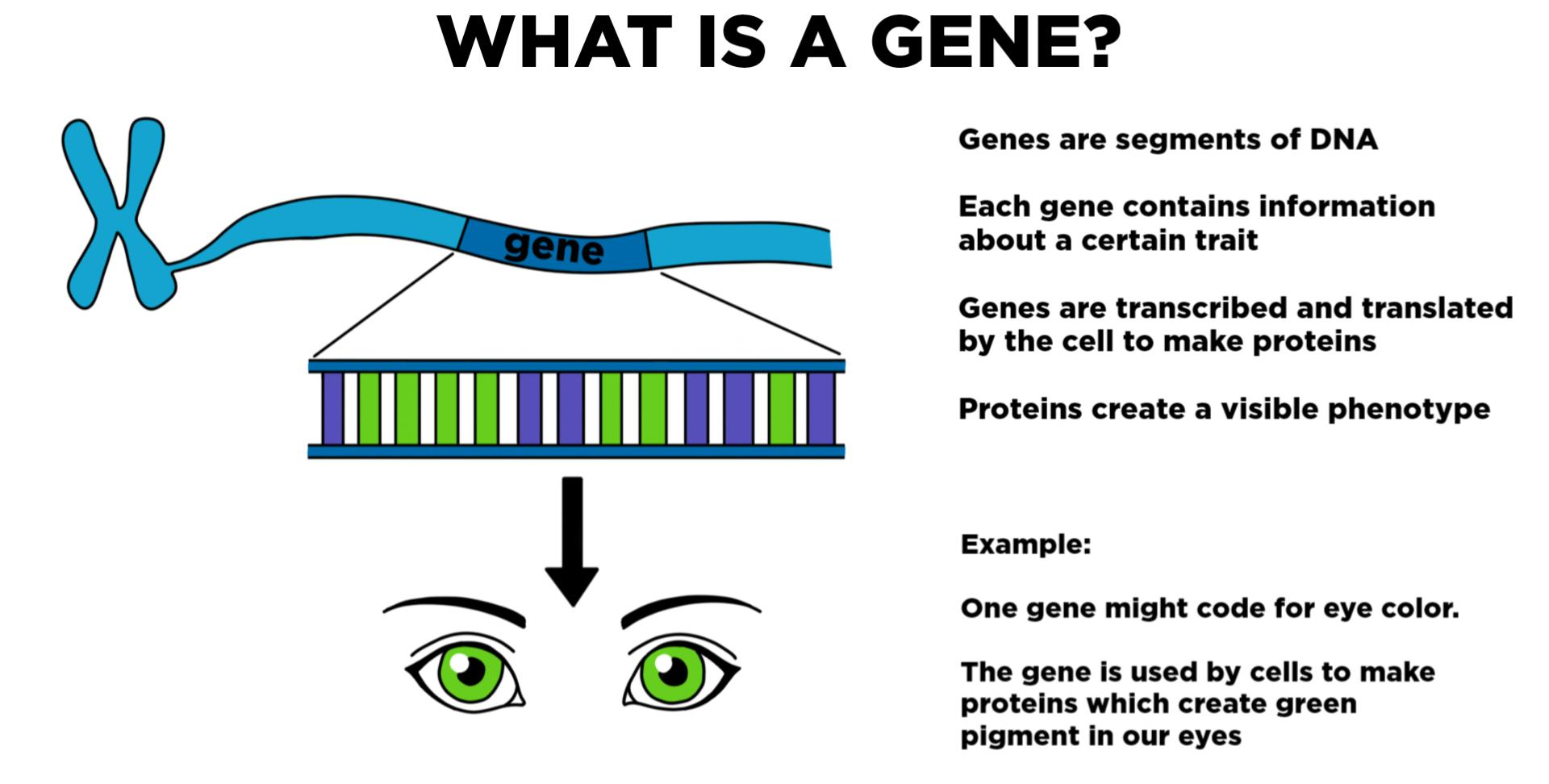
Genes are the basic and functional units of heredity and contain the information to specify physical and biological traits.
Democracy with Totalitarianism Organisation
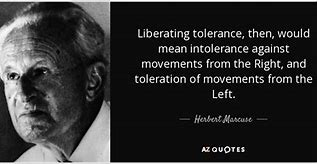
Today, we live in the logic of the following essay which pushed for Democracy with Totalitarianism Organisation:
Repressive Tolerance by Herbert Marcuse.
Repressive Tolerance was written in 1965 and is an exemplar foretaste of the political climate which operates today. Simply put, ‘It seems rooted in the idea that, if you feel morally superior there’s nothing you can’t do to others, and they must step out of the way or be punished‘. Hence ‘cancel culture ‘, atonement (even encouragement) of ANTIFA’s protests and violence despite COVID; push for Mass Formation by the mainstream – common in Totalitarian states in the early 20th Century and the scourge towards disparaging and obstructing those choosing to be unvaccinated are testament to these kinds of theorists and are just the tip of the iceberg of what have seen in recent times. One of Marxists’ favorite words to project onto their enemies is “mystification.” Everyone, they insist, who isn’t on board with their twisted program is “mystified” about the true nature of reality, which they have, of course, discovered and delineated in unique clarity (in their own estimation, anyway).
James Linday says, ‘I want people to come in contact with this and engage it and understand it. It’s very important to realise this is what we are living in. If you can realise it, you can see it. And if you can understand it, you can explain it.’
All the colours of the spectrum (as seen through a prism). The infrared light at hot end and and ultraviolet light at cold end. All three primary colours add together make white light: red + green + blue = white. White light is actually made of all of the colours of the rainbow because it contains all wavelengths, and it is described as polychromatic light. Light from a torch or the Sun is a good example of this.
When I was beginning to draft this article, I searched for articles I had written of Shania Twain’s music and low and behold I didn’t find any! I feel mindless that I overlooked her in the compilation of artists / songs for the Music Library Project. I have made amends and downloaded 7 songs that I always liked from her and added them retrospectively. The first in the alphabetical listing is today’s featured song [If You’re Not In It For Love] I’m Outta Here! I know some Country music puritans might have an axe to grind with Shania allegedly selling out to commercial Pop, but I hope to appease them by announcing my favourite songs from Shania are country steeped – Home Ain’t Where His Heart Is (Anymore) and today’s track.
I have watched a couple of documentaries on Shania Twain. I always admired the Canadian’s fortitude and passion despite great personal setbacks at a vulnerable age. She said she had a difficult childhood. Her parents earned little money, and food was often scarce in their household. She did not confide her situation to school authorities, fearing they might break up the family. Her mother and stepfather’s marriage was stormy at times, and from a young age she witnessed violence between them. On November 1, 1987, her mother and stepfather died in a car accident approximately 50 kilometres (31 mi) north of Wawa, Ontario. She moved back to Timmins to take care of her younger siblings and took them all to Huntsville, Ontario, where she supported them by earning money performing at the nearby Deerhurst Resort.
[Verse 1] Mind if I sit down? Can I buy you a round? Haven’t seen your face before Are you new in town? It’s the same old line Oh every time Are you here alone? Can I take you home?
[Verse 2] Now every woman sees With every “pretty please” There’s a pair of lying eyes And a set of keys He says, “come be a star” (Ooh) In the back seat of my car Oh, but baby, slow down You’re going way too far
[Pre-Chorus] Let me make it clear To you, my dear, yeah
[Chorus] If you’re not In it for love If you’re not Willing to give it all you got If you’re not in it for life If you’re not in it for love Let me make it clear To you, my dear
You’re not in it for love I’m outta here!
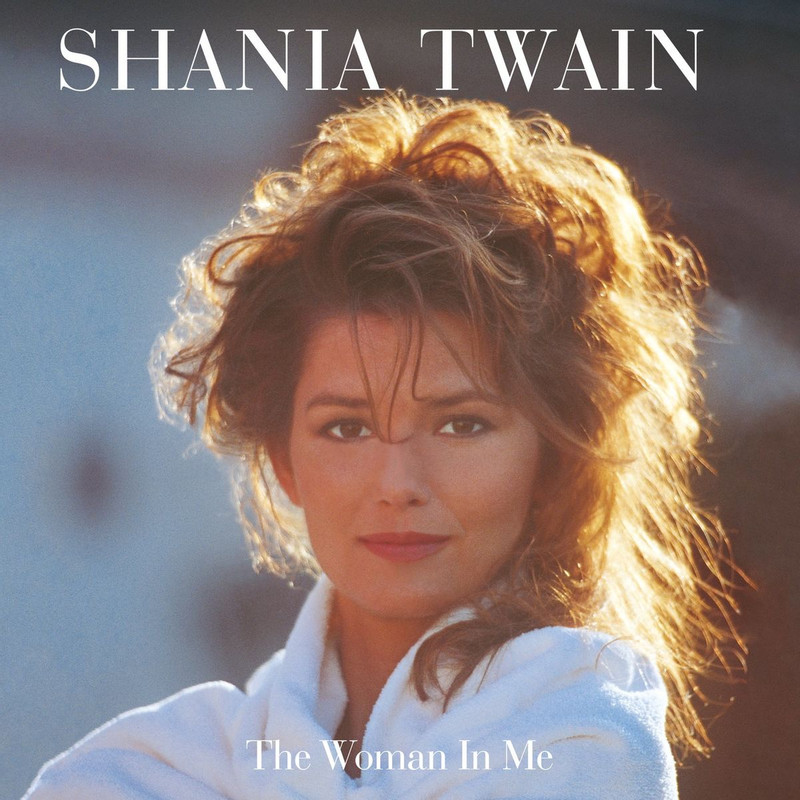
(If You’re Not in It for Love) I’m Outta Here! was released in November 1995 as the fourth single from her second studio album, The Woman in Me (1995). Written by Mutt Lange and Twain, the song became her second number-one hit at country radio and the first single to be promoted with three different mixes worldwide to cater to international genre demand. The song topped the US Billboard Hot Country Songs chart (where it remained for two weeks) and was her breakthrough hit in Australia, peaking at number five on the ARIA Singles Chart. I’m Outta Here! has been performed on all of her tours.
Shania Twain has sold over 100 million records, making her one of the best-selling music artists of all time and the best-selling female artist in country music history.
Argentinian lifeguard Micaela Guacci said she had “no alternative” but to jump in and help.
An off-duty lifeguard from Argentina and two young surfers have been praised after bravely rescuing two drowning swimmers at a remote beach on the Sunshine Coast (Australia)….
Ms Guacci, a trained lifesaver in Argentina, eventually made it out to the young couple. “The woman was screaming,” Ms Guacci said. “She was very scared. She kept saying, ‘I can’t do it’. I kept saying, ‘Please keep trying, we can do it‘.”
Ms Guacci managed to hold the woman up for several minutes before the two surfers arrived and put the swimmers on their boards. Noosa surfer Kaiden Smales, 19, said when he realised what was happening, he and his brother sprinted down the beach before quickly paddling out.
He put the man on his board, while his brother went to Ms Guacci and the other woman who was “about to drown”.
Brett Weinstein interviews Efrat Fenigson, an independent Journalist, Podcaster, Israeli Citizen & ex Israeli Soldier
Below are comments about the above discussion which I couldn’t help but ‘side’ with:
A great relief for those of us who are simply incapable of blindly accepting the narrative. A very, very important discussion.
Great respect to Efrat Fenigson for her intelligence and courage. One of the repercussions of our living in a dystopian world is the extent to which intelligent people are forced to speak in an elliptical manner much of the time, almost in code. In fact, it is a hallmark of a totalitarian order. Not complaining about your conversation, simply making an observation about our situation.
The barrage of insanity is starting to look too much like ‘Wag The Dog’ to keep us from discovering the real truth! Discernment is critical in these challenging times!
We are stuck with a terrorist organisation wielding barbarism in order to make sure there is no choice in the response and embedded in the population that is going to be devastated…Israel was put in a predicament that is a trap; that the only response it can make is inherently a response that will have severely negative effects on the way people view the state of Israel…
‘(above) are some pictures to prove that pigeons can age one dramatically’ – Bruce Goodman
Fellow blogger Bruce Goodman is a dear friend of mine. His short stories at Weave a Web have appeared here a bunch at Monday’s ‘News on the March‘. Today’s featurette is his recent short story called ‘Dinner Invitation‘. I hope you all enjoy:
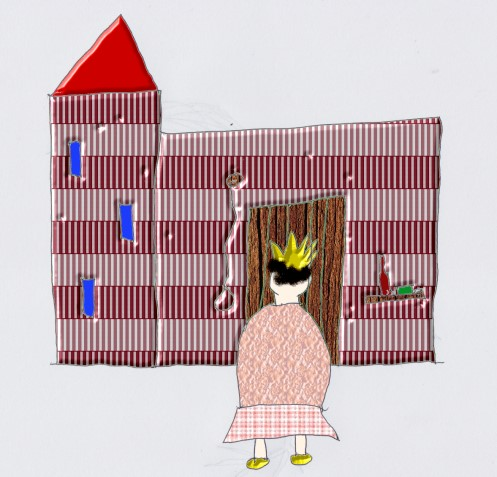
Princess Adelaide of Bracksenfeld (a country in Northern Eustantia) wasn’t a hundred percent sure how to knock on the castle door. She had crossed the bridge over the moat and was faced with a thirty foot solid wooden door that didn’t appear to have a doorbell. Knocking on a door that size was like knocking on a rock face in some stony national park. It would have been futile.
Princess Adelaide had been invited to dinner by Prince Eugene the Masher. He may have had a reputation for ruthlessness but he was extremely handsome and the most eligible bachelor in the whole of Eustantia. Who could turn down an invitation to dinner with him? Certainly not Princess Adelaide of Brackensfeld.
The princess had bought along a cheap bottle of wine and a box of after-dinner mints. They were a gift to her host as a thank you for a delightful evening. She knew that the Prince absolutely adored a cheap Merlot and after-dinner mints. (Cheap wine in a castle is a hard thing to come by).
Princess Adelaide had knocked on the gigantic castle door three times and nothing had happened. Then a voice wafted through a crack in the castle wall. “Welcome to my castle, Princess Adelaide of Brackensfeld. Please place the wine and the after-dinner mints on the shelf to your right. When you have carefully done that please pull the rope that hangs down to your left.”
The princess was amazed at how simple the process of opening the door was to be. The rope either opened the door or rang a door bell. She was about to find out. She gave the rope a good tug.
A thirty-ton block of granite dropped down from a great height on top of the princess and squashed her beyond recognition. Prince Eugene the Masher came through a side door and grabbed the wine and after-dinner mints. “Yum,” he said.
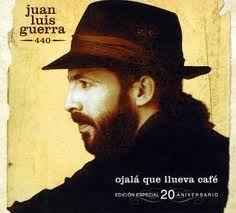
Dominican music legend Juan Luis Guerra has featured here 6 times. Ojalá Que Llueva Café (I Wish That It Rains Coffee) will make it lucky seven. This song is a hymn of encouragement to Latin farmers in their fight to bring food to the city and cafe to the masses. Many latinos see Juan Luis Guerra as unmatched, unique and incomparable like each individual seed sown by the Cafeteras (coffee makers).
Juan Luis Guerra has sold 15 million records worldwide, making him one of the best-selling Latin music artists. Throughout his career, he has won numerous awards including 23 Latin Grammy Awards and three Grammy Awards.
A crude English translation of “Hope It Rains Coffee” (Verses 1, 2 & final) follows:
Oh oh I hope it rains coffee in the countryside A downpour of yucca and tea From heaven a jar of farm cheese And to the south a mountain of watercress and honey
Oh oh Wo oh oh I hope it rains coffee
I hope it rains coffee in the countryside Combing a high hill with wheat and mapuey Go down the hill of grained rice And continue the plowing to your hearts content
So that all the children sing in the field I hope it rains coffee in the field So that in La Romana they hear this song I hope it rains coffee in the field
Ojalá Que Llueva Café is the title track from Juan Luis Guerra’s 4th studio album. It is considered one of his most emblematic and important albums. Critics praised the artistic growth and innovation it demonstrated and is seen as the “the album that made him a star“. The title track Ojalá que llueva Café is a social criticism endured by rural Dominicans.
We Latin Americans are united by language, and also by hunger, need and hope. This great song portrays the illusion that one day everything will get better – Andres Tapia
Ojalá que llueva café was the first single released from the album in June 1989, and included the participation of the Dominican children’s choir “Retoños,” in the last verse. Its music video (seen below) is appraised as one of the best music videos in Dominican history. It was filmed in the southern region of the Dominican Republic.
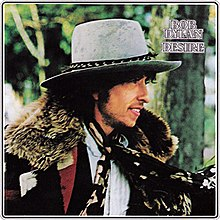
Oh Sister was recorded for Dylan’s seventeenth studio album Desire, and performed with Emmylou Harris. The song became a discourse on the ‘fragility of love‘. This is the first song to feature here from the Desire record, and it certainly won’t be the last. Its remarkable predecessor – Blood on the Tracks was released just shy of a year earlier. At being just 4 verses long, Oh, Sister seems simple on the surface, but becomes more complex the longer you look. It became a concert favorite during the fall tour preceding Desire‘s release.
[Verse 1] Oh, sister, when I come to lie in your arms You should not treat me like a stranger Our Father would not like the way that you act And you must realize the danger
[Verse 2] Oh, sister, am I not a brother to you And one deserving of affection? And is our purpose not the same on this earth To love and follow His direction?
[Verse 3] We grew up together From the cradle to the grave We died and were reborn And then mysteriously saved
[Verse 4] Oh, sister, when I come to knock on your door Don’t turn away, you’ll create sorrow Time is an ocean but it ends at the shore You may not see me tomorrow
The remainder of this article is relayed from the second reference at Songfacts:
“You should not treat me like a stranger,” he says, because “time is an ocean but it ends at the shore” and she may not see him tomorrow. The whole implication is that life’s too short to be petty and Dylan’s reminding that he, like everyone else, can die at any time.
The song gets weirder and more Biblical, though. In the last verse, Dylan states that he and this mystical “sister” grew up together, died, were reborn and “then mysteriously saved.” On the official Dylan website and in the official book release of his collected lyrics, the “Father” in the first verse is capitalized and so is the “His” in the second verse. This manner of capitalization is nearly always associated with a reference to God, which dramatically alters the meaning of the lines “our Father would not like the way that you act” and “is our purpose not the same on this Earth, to love and follow His direction”?
Looked at in this light, the “sister” may not be a biological sister at all. Some have said that it’s actually Joan Baez and that the song is a reaction to Baez’s “Diamonds & Rust,” a song about their relationship.
The only real evidence for the Baez connection is that her song was released on here album Diamonds & Rust in April 1975, and Dylan started working on “Oh, Sister” a couple months later (June). Anything is possible, but it’s most-often fruitless to look for literal, concrete biographical in Dylan’s songs. Even when such things are actually there, Dylan buries them so deeply in metaphor and misdirection that you just get lost trying to find the way, though many would say “getting lost” is precisely the appeal of Dylan’s music.
Whatever the ultimate meaning of the song is, “Oh, Sister” is considered one of Dylan’s successes. It comes across as an authentic emotional appeal. The way Dylan’s voice harmonizes with Harris’ works very well, as does the interplay between his harmonica and Rivera’s violin.
Desire is one of Dylan’s most collaborative efforts, featuring the same caravan of musicians as the acclaimed Rolling Thunder Revue tours the previous year (later documented on The Bootleg Series Vol. 5). More information will be presented about Bob Dylan’s Desire record as we progress through some of its releases at a later date. Thank you for reading.
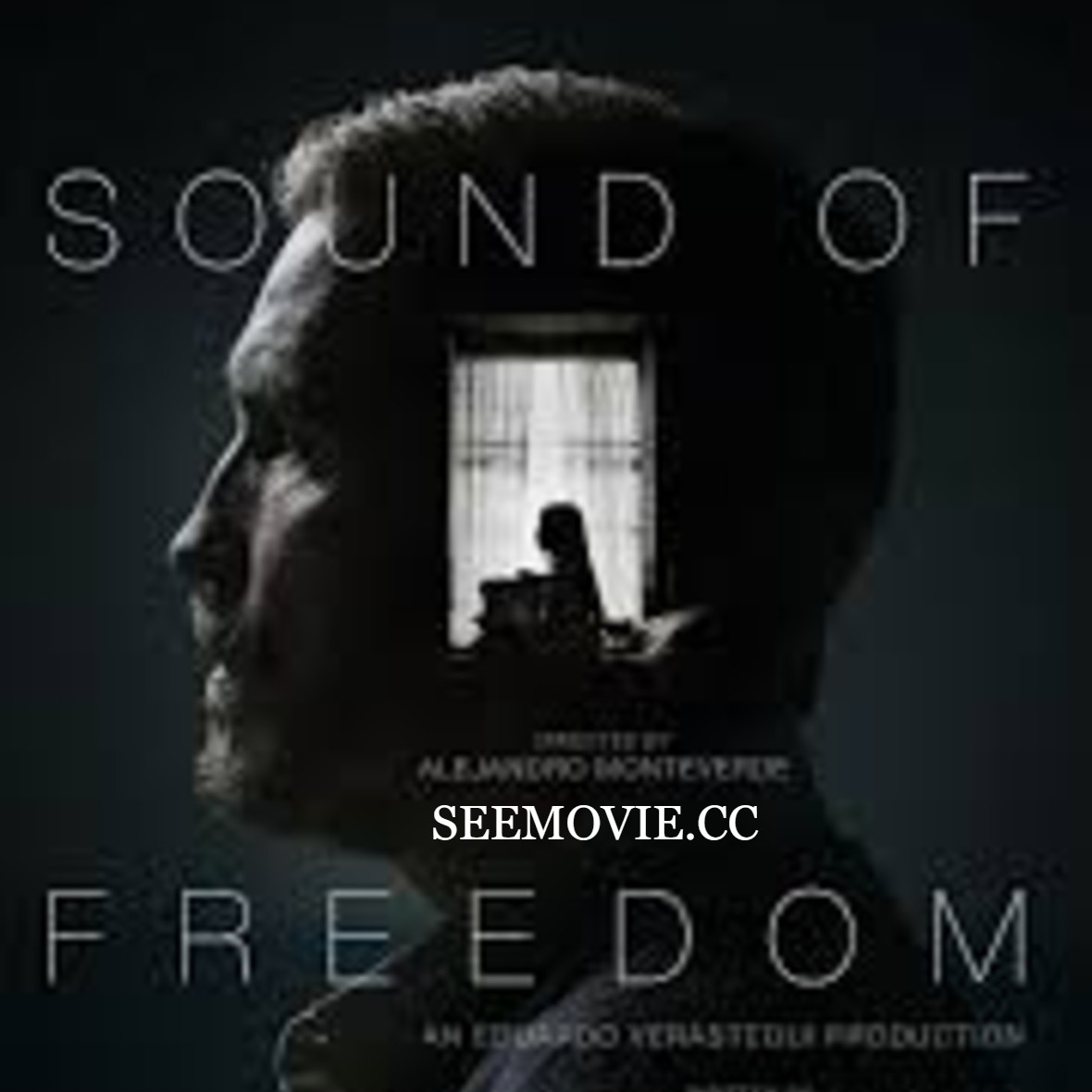
Last week I went into this movie – Sound of Freedom with a lot of trepidation because of its disturbing subject matter – Child trafficking and sexual abuse. The film is mostly set in my adopted home country – Colombia. I was surprised at how large the audience was considering Sound of Freedom has been out so long in cinemas. Obviously, the efforts by cast and crew to hurdle various barriers to get it into theatres through crowd funding and their risky marketing tactic urging audiences to buy tickets for other people seemingly worked. According to “Variety,” after three weeks in theatres it became the first indie film to surpass $100M at the box office in the post-pandemic era.
“Sound of Freedom”, based on the incredible true story, shines a light on even the darkest of places. After rescuing a young boy from ruthless child-traffickers, a federal agent learns that the boy’s sister is still a captive and decides to embark on a dangerous mission to save her. With time running out, he quits his job and journeys deep into the Colombian jungle, putting his life on the line to free her from a fate worse than death.
Now for my opinions about the film itself. I was engaged and moved by Sounds of Freedom. I’ve never really experienced anything like this in a movie theater. This film might stand as one of our generation’s most impactful works. The script, a potent foundation, coupled with stirring performances, leaves a profound impact. Not just a cinematic spectacle, it delves into human darkness, portraying our timeless struggle against evil and illustrating the tough nature of this fight. One audience member wrote: ‘I had to put my popcorn on the ground because it felt inappropriate to eat popcorn while watching this movie‘. The children in the movie were phenomenal actors and projected the innocence and fear that a child would be subjected to in those harrowing situations. It was heartbreaking and difficult to watch. Informative, direct, and clear story about dangers of human trafficking and the risks of not doing anything to address this growing form of human sex slavery.
It’s a strange feeling as a moviegoer to be watching such an unsettling movie, but at the same time realise by your participation you are contributing to the exposure of an international scandal so detestable and deplorable that you have to pinch yourself to wonder how this film (finished in 2018) was met with such backlash and roadblocks, obstructing its release. Consider the following: 20th Century Fox was originally set to distribute the film, but it was shelved when the studio was bought by Disney. I really hope that Sounds of Freedom will remain in cinemas for years to come.
Against the producers’ wishes, Tim Ballard personally insisted that Jim Caviezel play him in the film.
Angel Studios crowdfunded the distribution and marketing expenses.
As of the movie’s release, Ballard has nine children with his wife of 11 years. Two of them were adopted from a sting operation he and his organization performed in Haiti when he couldn’t find their parents. They reside in Utah as of the movie’s release.
The film took the #1 spot from Indiana Jones and the Dial of Destiny on the 4th of July, 2023.







 Observation Blogger