I recently wrote about this song Back in Time by Christina Perri. A few days ago, I received the above music cover from alexandjomusic in my YT feed. I was enchanted by their version and in awe of their harmony. They were kind enough to communicate with me. Alex and Jo are twins from Serbia and have presented a lot of great versions of mostly modern music. (View their song here)
Part 2 of a Soft White Underbelly interview and portrait of Mark, a recovered drug addict in Southern California. This is one of the most inspiring videos I have seen recently. (View video interview here)
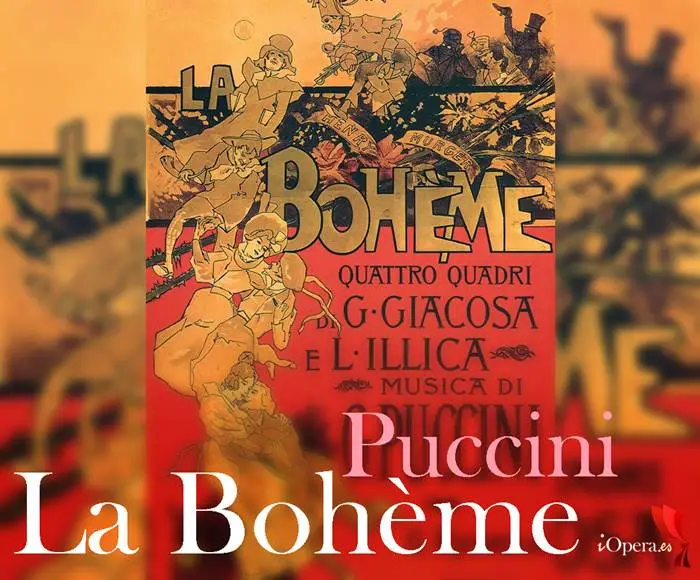
This is the second musical piece to feature here from Italian composer Giacomo Puccini. I first heard this in the movie Moonstruck which I reviewed here. O soave fanciulla (O gentle maiden) is a romantic duet from the first act of Giacomo Puccini’s 1896 opera La Bohème It is sung as the closing number in act 1 by Rodolfo (tenor) and Mimì (soprano) where they realise, they have fallen for each other. It is one of the most beautiful pieces of Opera I have heard.
(English translation) At the window, Mimì is illuminated by the moon’s rays. Turning, Rodolfo sees Mimì wrapped in a halo of moonlight. He contemplates her, in ecstasy. Rodolfo: Oh lovely girl, oh sweet face bathed in the soft moonlight, I see you in a dream I’d dream forever!
Both M: Ah! Love, you rule alone! R: Already the soul trembles extreme kindness
La Bohème is an opera in four acts composed between 1893 and 1895 to an Italian libretto by Luigi Illica and Giuseppe Giacosa, based on Scènes de la vie de bohème (1851) by Henri Murger. The story is set in Paris around 1830 and shows the Bohemian lifestyle (known in French as “la bohème“) of a poor seamstress and her artist friends.
The world premiere of La Bohème was in Turin on 1 February 1896 at the Teatro Regio, conducted by the 28-year-old Arturo Toscanini. Since then, La Bohème has become part of the standard Italian opera repertory and is one of the most frequently performed operas worldwide.
La Basurita (Little Garbage) was recommended to me here in Colombia and I was always fond of it. It is a type of ‘Ranchera‘ music which is traditional Mexican music that often features a Mariachi band. It originated in northern Mexico and southwestern United States and is typically sung in a plaintive style, and features lyrics that revolve around rural life and love. The style of Ranchera music has been heavily influenced by traditional Mexican folk music and is often used to express the feelings of love and loss.
A loose English translation follows of the initial verses La Basurita (Little Garbage):
I am from the sea, foam, I am sad, I regret I am little garbage I am little garbage that the wind drags when I came into the world I was born crying and oh since then I keep crying I keep crying
I am like the bird that is flying that is flying through a desert through a desert looking for the east I found the sunset I found the sunset Looking for bliss, looking for bliss, I found pain
I have never had anyone take pity on me I am a little feather I am little trash that the air carries oh, how much bitterness I feel when I remember When I was a child, I even missed the water to be baptized
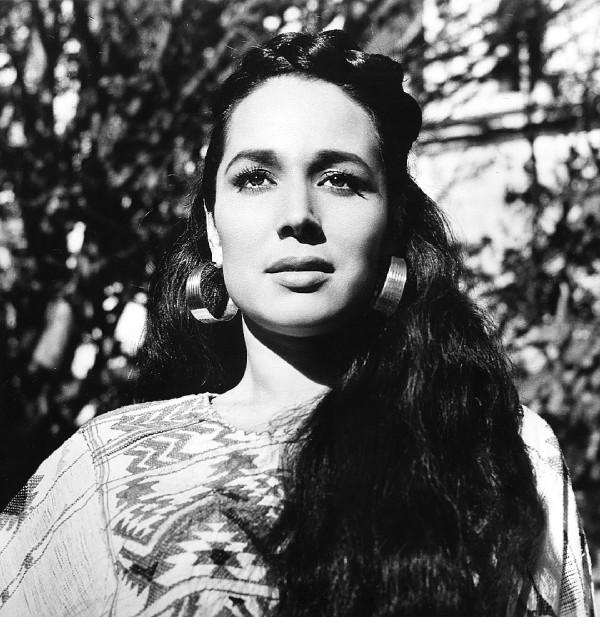
Guillermina Jiménez Chabolla (16 August 1930 – 25 November 2020) known professionally as Flor Silvestre, was a Mexican singer and actress. She was one of the most prominent and successful performers of Mexican and Latin American music and was a star of classic Mexican films during the Golden Age of Mexican cinema. Flor has more than a 70-year career included stage productions, radio programs, records, films, television programs, comics, and rodeo shows.
Famed for her melodious voice and unique singing style, hence the nicknames “La Sentimental” (“The Sentimental One”) and “La Voz Que Acaricia” (“The Voice That Caresses”), Flor Silvestre was a notable interpreter of the ranchera, bolero, bolero ranchero, and huapango genres.
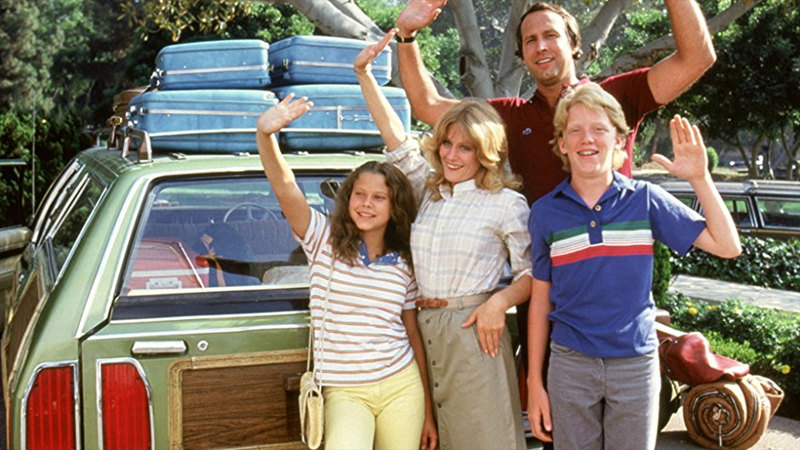
I have such fond memories watching Vacation growing up, whereby I had to add it here to Friday’s Finest. It remains one of my favourite comedies although it has been a long time since I have seen it. But I don’t really need to since I remember every scene by heart. My kids are big fans of the rebooted Vacation 2015 movie which I also enjoyed but call it nostalgia or what-have-you, nothing can supersede the original National Lampoon’s Vacation.
Many of the antics of Clark Griswold (played by Chevy Chase) reminded me a lot from my own Dad. Like how he tries his darndest to be the ‘bestest’ of Dads: flex the pecs which he doesn’t have and sit down and have a ‘kumbaya’ big – man pep talk with his son. And he may look clumsy and awkward, but his intentions are well meaning, and you can’t help but warm to him.
Having it all planned down to the last detail, well-meaning American paterfamilias Clark Griswold and his supportive wife Ellen take their two teenagers, Rusty and Audrey, on a cross-country trip from the suburbs of Chicago all the way to sunny California’s Walley World amusement park. However, anything that could go wrong does, and before long Ellen’s cousin Catherine and her husband Eddie enter the picture and Clark is on the verge of blowing a gasket. Roy Walley’s wonderful park seems farther and farther away, and although the prospect of a clandestine meeting with the alluring blonde in the fast 1981 Ferrari 308 GTSi sounds tempting, Clark must do the right thing and find the promised land. How hard can it be to have the perfect vacation?
The film was a box-office hit, earning more than $60 million in the U.S. with an estimated budget of $15 million, and received positive reviews from critics. As a result of its success, five sequels have been produced. What is so impressive is filming only lasted 55 days despite the mass of places they visited. To avoid legal troubles, all of the names associated with Disneyland were altered to sound-alikes. Marty Moose is reminiscent of Mickey Mouse and similarly Roy Walley’s appearance bears similarities to that of Walt Disney. It has a great soundtrack. One song Blitzkrieg Bop by The Ramones I took an immediate liking to.
Knowing Me, Knowing You is the third song to appear here from one of the greatest pop groups of the 1970’s – ABBA. This is my favourite song from this super group. Despite having heard it hundreds of times I never grow tired of it. I think it’s one of the finest crafted Pop songs I have heard. The composition is outstanding and how the female and male voices in a polyphonic sense interact during the chorus, is one for the ages – at least to my ears. It’s one of those rare times in Pop music where I am left to ponder, ‘I do not know how they did that‘.
No more carefree laughter Silence ever after Walking through an empty house, tears in my eyes Here is where the story ends, this is goodbye
Knowing me, knowing you, aha There is nothing we can do Knowing me, knowing you, aha We just have to face it, this time we’re through (This time we’re through, this time we’re really through) (This time we’re through, we’re really through) Breaking up is never easy, I know, but I have to go (I have to go, this time I have to go, this time I know) Knowing me, knowing you, it’s the best I can do
Knowing Me, Knowing You was the third single released from the magnificent 1977 record – Arrival. I wrote in the Fernando article: ‘I remember as a boy sitting in front of the fireplace and holding the 1976 Arrival album in my hands and I was besotted by it. The helicopter looked just like the one used in the Skippy: The Bush Kangaroo episode called ‘Many Happy Returns‘ where Sonny has to fly Jerry’s helo on his own. Those were the days!’
Knowing Me, Knowing You ended up being one of the group’s more successful hits. It was a chart – topper or top 10 hit in too many countries to mention here. It was also one of the earliest ABBA songs to deal with the break-up of a relationship. It predates the divorces of the ABBA members as well as further break-up songs to come like The Winner Takes It All. The video below was directed by future Academy Award nominee Lasse Hallström and is a landmark in his career alongside most other videos of the band which were directed by him.
Ankidroid additions related to Science, History and Philosophy. More information about Anki can be found in this article.
The Lifting Out of Poverty
The following is stated in the video below: More people were lifted out of poverty (in absolute and relative terms) between the years 2000 and 2015 than were lifted out of poverty in the sum total of human endeavour before then. In 1980 where 4 people in 10 lived on less than 2 dollars a day (adjusted for inflation), now it is 1 in 10. This is the greatest alleviation of poverty in human history.
In a survey of college educated adults in the UK about extreme poverty only 12 percent of participants thought extreme poverty had been alleviated in this time period. After the Soviet Union collapsed, there existed fewer countries turning to communist dogma to formulate their economic policy and hence more countries participated in the broad free market that we drive poverty down to its lowest level than we have ever seen in history. Then what is driving the anti-capitalist ethos?
Jericho
The Oldest Known City Which Still Exists Today
Based on archaeological evidence Jericho (a 10-acre area) in the Palestine territories (west bank) is thought to have existed from 10000 BC just after the last ice age (115000 – 11700BC). This pre-pottery – neolithic new stone age was formed from once Nomadic hunter gatherer tribes; prehistoric humans who coalesced on the ‘fertile crescent’ (see image left) of the Middle East helped by the uniqueness of the grasses and seeds in the area which could be cultivated and replanted.
From once being semi-migratory they subsisted on the land of fixed locations in round mud brick housing. Underground tributaries made life very fertile. Remains of gazelle, cattle, boar, sheep and goat were found and agricultural produce – wheat, barley, peas and beans.
The music by Australia singer – songwriter David Bridie features here more than any other Australian artist. I consider him one of the most underrated artists I have been fortunate to listen to and see live. He is founding member of the bands Not Drowning Waving and My Friend the Chocolate Cake and during his solo career he has issued five studio albums and worked on soundtracks for Australian films and television. Today’s song Kerosene comes from his first solo album released in 2001 – Act of Free Choice. I wrote an article about another song from the same album Breath.
Wind comes up through the trees First time softly cleansing breeze Second time angry I’ll at ease, I’ll at ease All ablaze in the western sky One spark, cruel wind, open fire Here comes arson with it’s violent desire Kerosene, Kerosene
In the wild west bible story The devil-like fire comes bathed in glory Hot wind flush again my skin Brings back thoughts of wandering Back from where I first began, back then Kerosene, Kerosene
Act of Free Choice was greeted with critical praise. The album’s title refers to the Indonesian Act of Free Choice (1969), which was supported by a plebiscite on the incorporation of Western New Guinea into Indonesia. Bridie’s Act of Free Choice reached the top 40 on the ARIA Albums Chart. I prefer his 2003 album Hotel Radio, but I like the moody atmospherics of Act of Free Choice such as what today’s song Kerosene summons.
For some, it’s a day to celebrate a new beginning and form resolutions; for others it’s an excuse to be festive and enjoy with family and then there are others who just see it is as another day; another number which really doesn’t mean diddly squat. I mean the world’s cultures and religions employ wildly different calendars, the question “what year is it?” is more complicated than you’d think.
According to this article written in Feb 2022, the year in Hebrew is 5782, Buddhism 2565 and Chinese 4719. 2023 is based on the Gregorian Calendar Named after Pope Gregory XIII, who introduced it in October 1582, the calendar that we thought was all definitive.
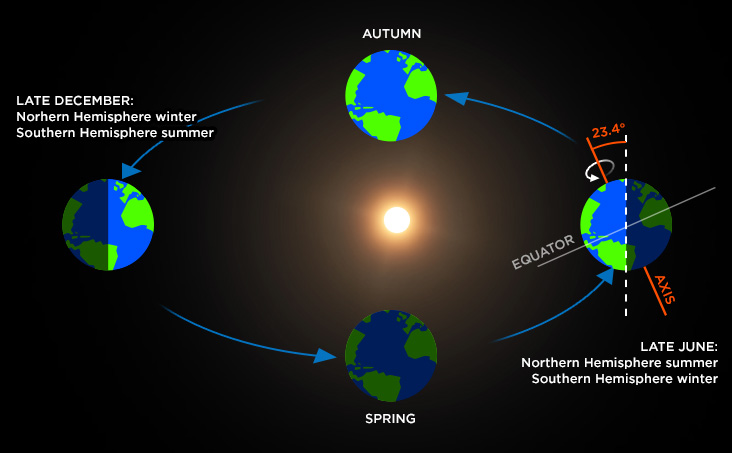
A ‘year’ as most Western Countries see it, is measured by the time it takes the Earth to do a full revolution of the Sun. But what year did this take place? Wouldn’t the earth have completed a rotation every day from the same day a year ago? So happy revolution to all! A ‘day’ on the other hand represents the time it takes earth to complete one full spin on its axis and that is 23 hours and 56 minutes.
What is interesting is our measurement of Time ie ‘years and days’ are just mathematical representations of the Earth’s movement in Space. Time as humans have used to measure it, is just movement of our Mass. If we lived on any other planet, years and days (and yes, Time) would be conceived differently. If you lived on Venus, you would just see two sunrises a year. Let me explain… a year on Venus is less time than what a day is. Venus spins so slowly on its axis that one day on the planet lasts 243 earth days. But because it is closer to the sun it orbits the sun every 225 earth days.
Now to get really trippy (and I wrote about this in this article):
Time is nature’s way of ensuring that not everything happens at once.
Without mass travelling through Space then there would be no time to observe. Mass that is not moving is not creating time. So if everything stood still and the Earth stopped rotating at midnight then there would be no time.
Mass needs Space to travel in, so that we can measure and label it. If not, everything would exist in the eternal – here and now.
I think Keep Me in Your Heart was the first Zevon song I came across and immediately took a liking. Later I would hear Mutineer, Lawyers, Guns and Money, & Werewolves of London. If you searched this song on a search engine you would hope to read information pertaining to the song. But alas no – what you get are search results filled with you tube songs / covers and lyrics.
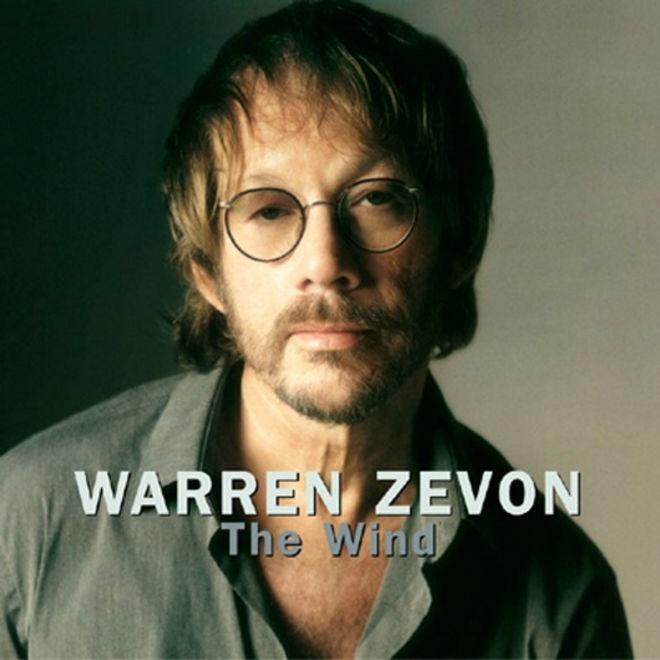
Keep Me in Your Heart was released on The Wind his twelfth and final studio album by the American singer-songwriter. Zevon began recording the album shortly after he was diagnosed with inoperable pleural mesothelioma (a cancer of the lining of the lung), and it was released just two weeks before his death on September 7, 2003.
Shadows are falling and I’m running out of breath Keep me in your heart for a while If I leave you, it doesn’t mean I love you any less: Keep me in your heart for a while
When you get up in the morning and you see that crazy sun Keep me in your heart for a while There’s a train leaving nightly called “When All-is-Said-and-Done” Keep me in your heart for a while
After about an hour of searching, I found this information about Keep Me in Your Heart in Songfacts: This was the final song Zevon wrote and recorded before dying of mesothelioma (a form of lung cancer) in September of 2003. This was also the only song on Zevon’s final album The Wind that he wrote entirely after learning of his terminal illness. With the exception of the cover of “Knockin’ On Heaven’s Door,” all of the remaining songs on The Wind were songs Zevon had already at least started writing beforehand. Zevon also saved the recording of this song for last. His deteriorating health rendered him too weak to continue commuting to the studio where the other tracks had been recorded, so he had a makeshift studio set up at his home to record this song.
Warren Zevon never did it easy. He had many years of musical – critical negativity and alcohol and drug abuse. He had small successes but launched the aforementioned grand hits that would send him into rock heaven. Even Dylan covered him on many occasions such as the brilliant Mutineer. Warren Zevon (1976) was his first album to chart in the United States, peaking at No. 189. The first edition of the Rolling Stone Record Guide (published in 1979) called it “a masterpiece“. The guide’s latest edition (November 2004) calls it Zevon’s “most realized work“.
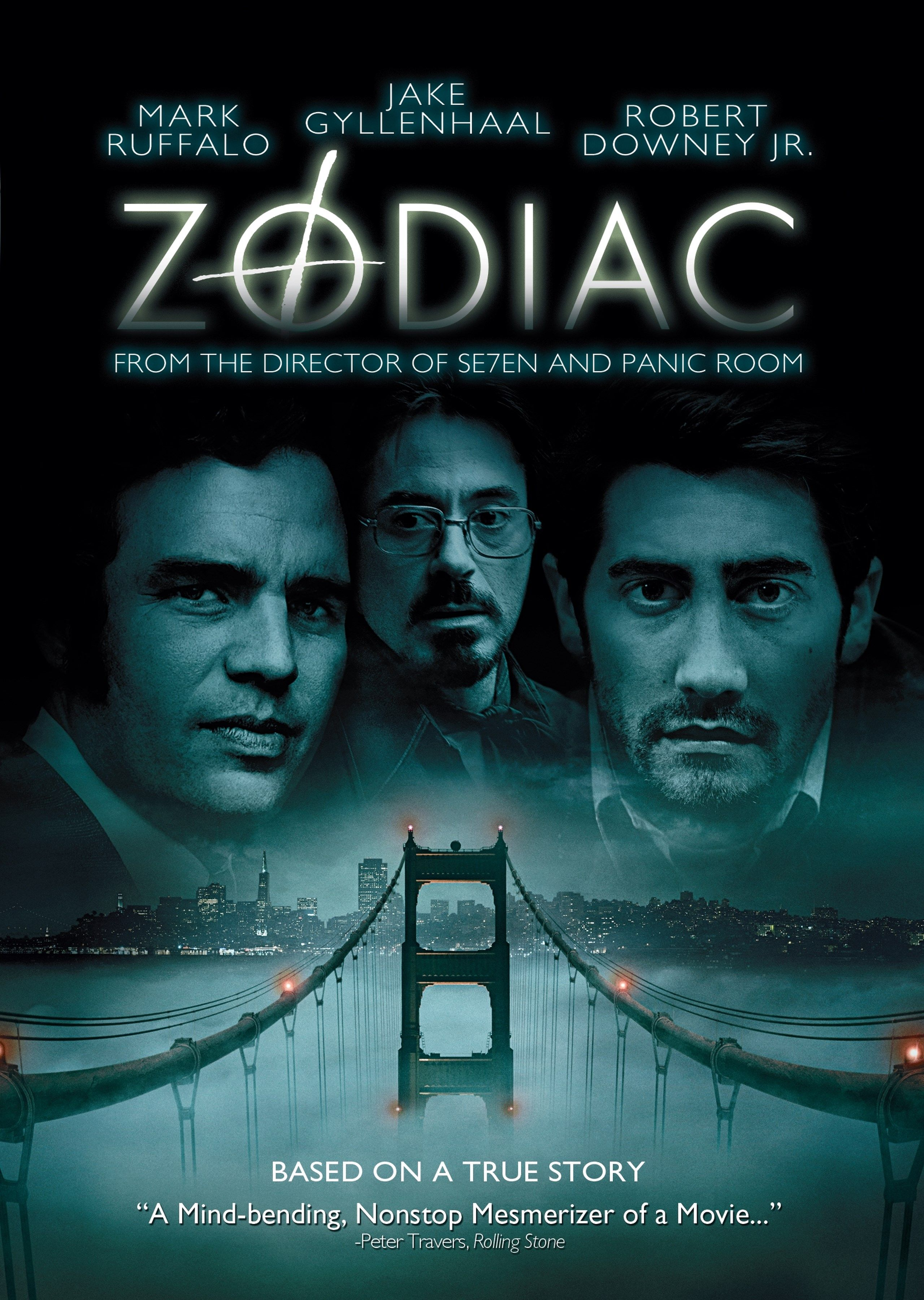
When I first saw today’s featured movie directed by David Fincher, I wasn’t that impressed with it, but on subsequent viewings I admired it a heck of a lot more. It doesn’t reach the jaw-dropping stature of Fincher’s own Se7en, but it is an intriguing character study woven inside a mystery thriller film. In a 2016 critics’ poll conducted by the BBC, Zodiac was voted the 12th greatest film of the 21st century. I would describe this film akin to All the Presidents Men but transfigured into the crime genre.
A serial killer in the San Francisco Bay Area taunts police with his letters and cryptic messages. We follow the investigators and reporters in this lightly fictionalized account of the true 1970’s case as they search for the murderer, becoming obsessed with the case. Based on Robert Graysmith’s book, the movie’s focus is the lives and careers of the detectives and newspaper people.
Interestingly, the Zodiac case was reopened after the screening of this movie. Such was the attention to detail; the murder victims’ costumes were meticulously recreated from forensic evidence that was lent to the production. Because Fincher wanted the film to be as accurate as possible, he decided not to depict any of the alleged Zodiac murders for which there were no surviving victims or witnesses. Also, Jake Gyllenhaal shares one of the film’s creepiest scenes with Charles Fleischer. In real life, the two have known each other since Gyllenhaal was three years old.
On review aggregator Rotten Tomatoes, the film holds an approval rating of 90% based on 261 reviews, with an average rating of 7.70/10. The site’s critical consensus reads: “A quiet, dialogue-driven thriller that delivers with scene after scene of gut-wrenching anxiety. David Fincher also spends more time illustrating nuances of his characters and recreating the mood of the 70s than he does on gory details of murder.“