Lay, Lady, Lay (1969) – Bob Dylan

I posit Lay Lady Lay is one of, if not Bob Dylan’s most popular and accessible songs outside of ‘Dylanholic circles’. People could have been forgiven for confusing him with someone else because vocally it was in stark contrast to the raspy, nasally delivery he was known for, and musically a departure from his politically charged and folk-infused work. Sometimes I am left bemused by just how smooth his voice sounds. It’s more reminiscent of something I would expect from Johnny Cash and coincidentally it was on this record Nashville Skyline where Johnny joined Bob Dylan to sing Dylan’s early classic Girl from the North Country.

Lay Lady Lay was initially written for the soundtrack of the 1969 film Midnight Cowboy. However, due to a delay in its completion, it missed the movie’s release. Instead, it became a highlight of Nashville Skyline, an album that saw Dylan embracing a country music style, influenced by his collaborations with Johnny Cash and a shift towards a more laid-back, crooning vocal delivery. In a 2004 interview, Dylan reflected on this period: “I hadn’t realized how much you could get out of voice till I lost it in a motorcycle accident in 1966. When it came back, I had this rich, deep sound.” It also suggested this voice transformation was partly due to his decision to quit smoking, which had a significant impact on his voice.

A 2020 NBC news article below reveals Dylan wrote Lay Lay Lady for Barbara Streisand to sing — not necessarily as an homage to her. The remarks are contained in typed transcripts of 1971 conversations between Dylan and his friend Tony Glover, a blues musician who died in 2019.

[Verse 1]
Lay, lady, lay
Lay across my big brass bed

Lay, lady, lay
Lay across my big brass bed
Whatever colors you have in your mind
I’ll show them to you and you’ll see them shine

[Verse 2]
Lay, lady, lay
Lay across my big brass bed
Stay, lady, stay
Stay with your man awhile
Until the break of day, let me see ya’ make him smile
His clothes are dirty but his, his hands are clean
And you’re the best thing that he’s ever seen

[Verse 3]
Stay, lady, stay
Stay with your man awhile

[Bridge]
Why wait any longer for the world to begin
You can have your cake and eat it too
Why wait any longer for the one you love
When he’s standing in front of you

[Verse 4]
Lay, lady, lay
Lay across my big brass bed
Stay, lady, stay
Stay while the night is still ahead
I long to see you in the morning light
I long to reach for you in the night

[Outro]
Stay, lady, stay
Stay while the night is still ahead

Recorded in February 1969 at Columbia Studio A in Nashville, the song features a lush arrangement that includes a prominent steel guitar played by Pete Drake, which gives it its distinctive country flavor. The recording process for Nashville Skyline was unusually relaxed and joyful, reflecting the album’s warm and mellow sound. Dylan, who had often been known for his intense and perfectionist studio sessions, took a more spontaneous approach this time, capturing a sense of immediacy and warmth in the recordings.

Upon its release, Lay Lady Lay achieved significant commercial success, reaching number 7 on the Billboard Hot 100 chart. Peggy Day which recently appeared here was the ‘B side’ of the single. It became one of Dylan’s biggest hits of the late 1960s and has since been covered by numerous artists, including The Byrds, Duran Duran, and Ministry, showcasing its versatility across genres.

References:
1. Lay Lady Lay – Wikipedia
2. Bob Dylan reveals he wrote ‘Lay Lady Lay’ for Barbra Streisand in ‘lost’ 1971 interview
Tagged with: , ,
Posted in Music

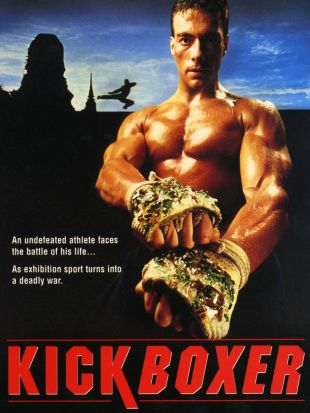
Kickboxer (1989) – David Worth (Friday’s Finest)

The above movie poster adorned my room when I was 15 years old. Nothing has changed because my 14 year boy recently came back from a school excursion to a book and movie fair and presented me a Rocky IV poster which I recently put up on my living room wall. He’s crafty my son; since he didn’t want to lug it around all day so he paid a girl from his class (as you do) $5.000 pesos to do the carrying for him. I didn’t know if I should praise or rebuke him upon learning that, instead I did neither.

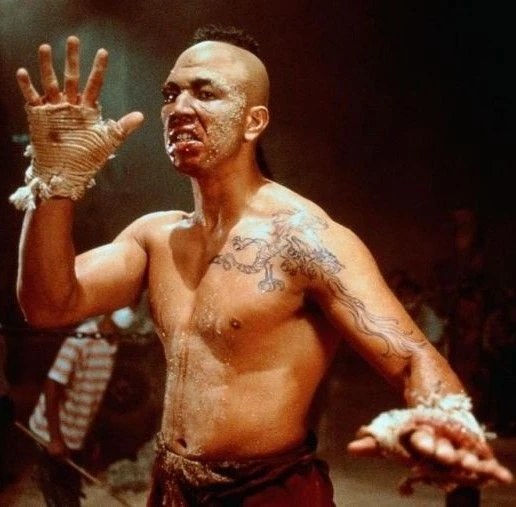
I went and saw Kickboxer with my school friends at the cinema. It had everything I wanted to see in a martial arts film: great action, (although more focused on training here than fighting matches, which was refreshing), likeable characters and the end fight scene was the most bad arse I could recall up to that point. They encased their hands with shattered glass in the lead up and fought in a traditional Muay Thai fighter pit. It also included the most formidable and chilling opponent in Tong Po (see above). A lot of people don’t know that Van Damme and Michel Qissi (Tong Po) were actually best friends growing up in Belgium. As kids they dreamed about moving to America and being movie stars, once they arrived in America they had so many set backs, but they persevered for 6 years and never gave up.

IMDB Storyline:
Kurt Sloan is the corner-man for his brother, U.S. kickboxing champion Eric Sloan. When Kurt witnesses his brother become maliciously paralyzed in the ring by Thailand champion Tong Po, Kurt vows revenge. With the help of Xian, a kickboxing trainer who lives in a remote area of Thailand, Kurt trains for the fight of his life.

This was one of Jean-Claude’s break out films and it spawned several sequels, which didn’t better the original. The more they made the least interesting they became until the final results were unwatchable. As always with these films the first film is usually the best of the bunch so here we are today. I always considered Kickboxer the mightiest and no-nonsense martial arts film out there, although I admit to hardly being a connoisseur of the genre. It was a huge box-office success as well, grossing $50 million on a budget of $2.7 million.
The movie was roasted by the critics at Rotten Tomatoes and Metacritic receiving just 36% and 33% respectively. Chris Willman of the Los Angeles Times called the film “egregiously dull” and a contender for one of “the dumbest action pictures of the year“, citing its “jarring shifts in tone, insurmountable plot implausibilities, rampant racial stereotyping, superfluous nudity and inhuman amounts of comically exaggerated violence“. Funny, I came away from it thinking – ‘what’s not to like‘? Kickboxer remains a ‘classic’ to me. Everything about it should make it bad – And yet, after watching it, I really don’t feel like I’ve wasted my time and even enjoyed it on repeated viewings.

Kurt Sloane played by Jean – Claude decides to go to the home of Muay Thai kick boxing, Thailand. There he realizes that he doesn’t know squat about the true art of kick boxing and learns one painful lesson after the other. He’s physically impressive so it’s kind of hard to swallow his naivete about fighting and what not. Oh well; fun for all.
Kickboxer was another in a long line of star vehicles for the “Muscles from Brussels“, but it’s the only one I took a real liking to. When it comes to those musclebound heroes who were so popular in the eighties/early nineties, you kind of remember their breakthrough roles. It was fair to say that Jean Claude Van Damme hadn’t done much before he starred as the lead in Kickboxer

IMDB Trivia

  • Dennis Alexio, who plays Eric Sloane, was a World Light Heavyweight and World Cruiserweight kick boxing champion in real life.
  • The scene in which Kurt has meat tied to his leg and is chased by Xian Chow’s dog was inspired by a real-life event in which a young Jean-Claude Van Damme was ordered by his karate teacher to wear a protective suit and withstand the attempts of a trained dog to pull him to the ground.
  • Michel Qissi was a technical advisor/choreographer when he overheard the production crew say they were looking for a tall oriental-looking guy with a background in Muay Thai. He volunteered, and got the part of Tong Po. Because he is originally from Morocco, make-up was used to make him look more Asian.
  • Chuck Norris was originally supposed to star as Kurt Sloane.

References:
1. Kickboxer (1989 film) – Wikipedia
2. Kickboxer (1989) – IMDB

Tagged with: , ,
Posted in Movies and TV

Black or White (1991) – Michael Jackson

“If you’re thinking about my baby, it don’t matter if you’re black or white.” – Michael Jackson

It’s between Black and White, Billie Jean and Smooth Criminal as to my favourite Michael Jackson song. Let’s just say I was never a big fan; at least no where in the vicinity of how his music continues to be revered here in Colombia, but you have to give credit where it’s due. Who can’t remember when they saw this clip below? ‘Your father is going to be very mad when he gets back‘.
When Michael Jackson released Black or White on November 11, 1991, he wasn’t just unveiling a new single; he was launching a cultural movement. This is when the ‘left’ meant something..aiming to promote racial harmony and challenge the divisive societal norms of the time, Jackson’s Black or White quickly became an anthem for equality and acceptance.

[Verse 1: Michael Jackson]
I took my baby on a Saturday bang
Boy, is that girl with you?
Yes, we’re one and the same

[Chorus: Michael Jackson]
Now, I believe in miracles
And a miracle has happened tonight, hee
But if you’re thinking about my baby
It don’t matter if you’re black or white, ooh

[Verse 2: Michael Jackson]
They print my message in the Saturday sun
I had to tell ’em, “I ain’t second to none”

[Chorus: Michael Jackson]
And I told about equality and it’s true
Either you’re wrong or you’re right, hee
But if you’re thinking about my baby
It don’t matter if you’re black or white, hoo
(Read the remainder here)

The song was co-written by Jackson and Bill Bottrell, who also produced the track. Bottrell recalled Jackson’s unwavering vision for the song: “Michael was very clear on the message he wanted to send. It was about equality and love, a message that couldn’t be more relevant.” Recorded at Record One Studio in Los Angeles, the track features a blend of rock, pop, and hip-hop elements, a testament to Jackson’s genre-blending acumen. Guitarist Slash of Guns N’ Roses lent his formidable skills to the song’s iconic riff, adding a hard-hitting edge to its pop sensibility.

Upon its release, Black or White skyrocketed to the top of the charts, reaching number one in over 20 countries, including the United States, where it stayed atop the Billboard Hot 100 for seven weeks.

References:
1. Black or White – Wikipedia

Tagged with: , ,
Posted in Music

The AnkiDroid Collection (Part 58) – God, Jesus Christ & Murgatroyd

Ankidroid additions related to Science, History and Philosophy. More information about Anki can be found in this article.

The Original Names of God and Jesus Christ

God (Lord) – YHWH is the name for the God of the Israelites. Ancient Hebrew was written without vowels, so some argue whether the pronunciation is Yahweh or Jehovah. Yahweh is considered too sacred for utterance, so it was replaced vocally in the synagogue ritual by the Hebrew word Adonai (“My Lord”), which was translated as Kyrios (“Lord”). YHWH is often translated, ‘I exist‘ or ‘He exists‘. In Exodus 3:14, God said to Moses ‘I am who I am‘.

Jesus – Jesus is the Greek translation of the Hebrew name Yeshua. Joshua is the English translation of the name Jesus.
Christ – Christos (Greek) means the anointed one or the Messiah.

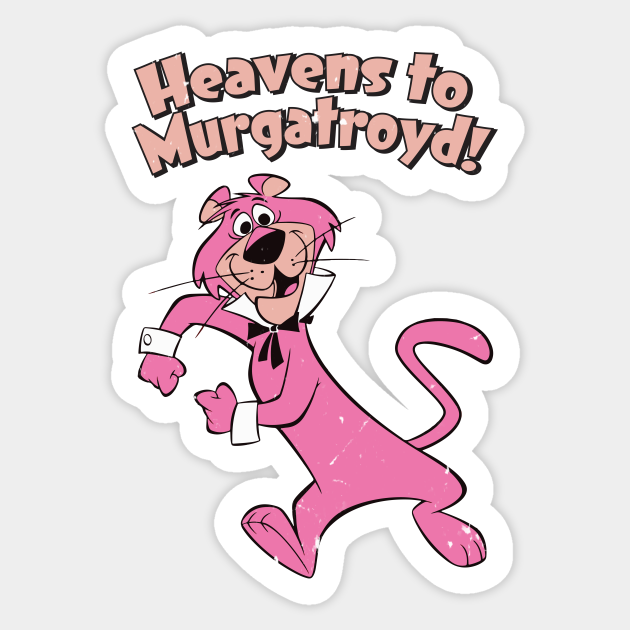
Heavens to Murgatroyd

Tom Waits’ song Raised Right Men which featured here on Monday commences with ‘Heavens to murgatroid, miners to coal‘. What does Heavens to Murgatroyd mean?

Heavens to Murgatroyd gained popularity from the American cartoon character Snagglepuss (see above). Hanna-Barbera used it because it was a random surname and sounded humorous and unexpected. Similar in meaning to ‘Good Grief’. It is a variant on Heavens to Betsy.

Tagged with: , , , , , , , , ,
Posted in Reading

Rather Be (2022) – Luke Sital-Singh & Christina Perri

Rather Be is a tranquil song about the beauty of human connection. The song is a collaboration between Christina Perri and Luke Sital-Singh, who co-wrote the song together. It was released in 2022 as part of Luke Sital-Singh’s album Dressing Like A Stranger.

[Verse 1: Luke Sital-Singh]
The siren sound, have you fallen asleep yet?
I simmer down close under your breast
A record spins all through to the daylight
I wake again, and you’re still by my side

[Chorus: Luke Sital-Singh]
We may be falling backwards
And feelin’ out to sea
Hangin’ on for the sunrise
‘Til we’ll be wild and free
But with the world still shakin’
And you lyin’ next to me
There’s nowhere I’d rather be

[Verse 2: Christina Perri]
Your warmest glow, never easy to leave it
‘Cause nothing fits me as well as your arms
The dinner fight, the shadows at sunset
Still close at night with miles to go yet

Tagged with: , ,
Posted in Music

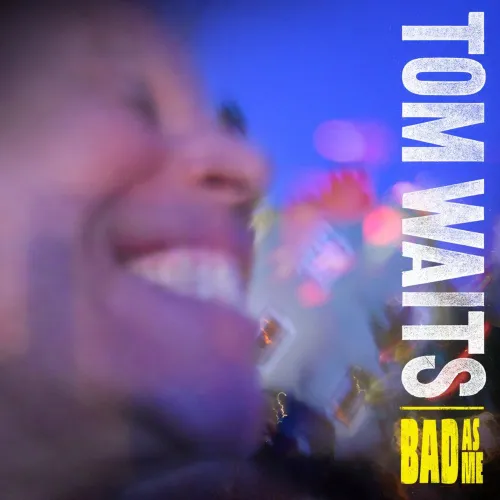
Raised Right Men (2011) – Tom Waits

He’s like a stray cat who was transformed into a man by a genie or a shaman’.
– Anonymous

Raised Right Men is the third song to be presented here from Tom Waits critically acclaimed 16th album – Bad As Me (2011) after his previous entry Hell Broke Luce. It was his first ever top 10 album and nominated for a Grammy award for best alternative music album. The press release at the time of it’s release stated: This pivotal work refines the music that has come before and signals a new direction. Waits, in possibly the finest voice of his career, worked with a veteran team of gifted musicians and longtime co-writer/producer (and wife) Kathleen Brennan.

Waits conceived Raised Right Men as a commentary on the complexities of masculinity and moral dilemmas. The song weaves a tale of men who grapple with their darker instincts while striving to adhere to the codes they were raised with. Waits has often spoken about his fascination with flawed characters, saying, “I like a beautiful song that tells you terrible things. We all like bad news out of a pretty mouth.”

Heavens to murgatroid, miners to coal
A good woman can make a diamond out of a measly lump of coal
And you need the patience of a glacier, if you can wait that long
Open up his window and admit it when you’re wrong

There ain’t enough raised right
There ain’t enough raised right men
I said there ain’t enough raised right men
It takes raised right man to keep a happy hen
I said there ain’t enough raised right men

Mackey Debiasi was a complicated man
He quarreled with his woman and she quarreled with her man
And his head was just too thick, so she knocked out a tooth
He’s that lonely man on the turnpike in the tolltaker’s booth

Gunplay Maxwell and Flat Nose George
Ice Pick Ed Newcomb on a slab in the morgue
Flat Nose looked at Gunplay and they all looked at me
With a good woman’s love, we could have saved all three

Waits, known for his unconventional studio techniques, used a variety of obscure instruments and recording methods to achieve the song’s distinctive sound. In an interview, Waits mentioned, “I try to break things that are already broken and see what they sound like.”

The band sounds like a bone crushing machine designed by David Lynch.
– Anonymous

References:
1. Tom Waits Returns With ‘Bad As Me’ | NPR
2. Tom Waits on the Edge – an Interview | The Guardian

Tagged with: , ,
Posted in Music

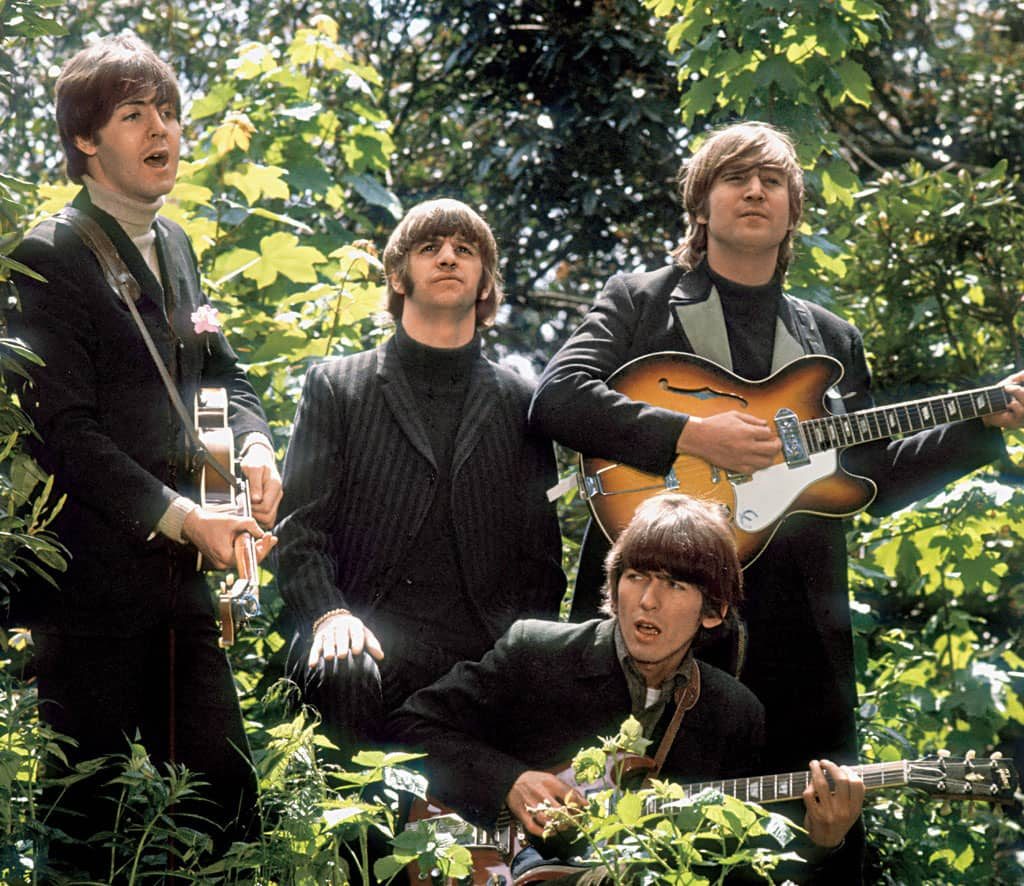
Rain (1966) – The Beatles

Rain is the fifth song to feature here from The Beatles so far. I was most likely turned onto it from Max’s blog post here at PowerPop. I can relate to these lyrics as I too am left bemused why people scurry from the ‘Rain’ or ‘Sun’. I prefer to soak it up or bask it in, whichever is the weather. On another level the sound of this song is like ‘Drizzling Psychedelia‘. I really like this track although it is often overshadowed by the band’s more prominent hits. Moreover I prefer a lot of the Beatles’ latter era songs that are less recognised than their celebrated pieces.

“It was the first time that backwards voices were used on a record. We’d done the whole thing, and then afterwards we’d had a piece of tape on backwards, and Paul and I were literally crying with laughter, it was just so funny” – Ringo Starr

Rain in its unique blend of innovative studio techniques and evocative lyrics marks it as a significant piece in their discography. Released in 1966 as the B-side to Paperback Writer, Rain was written by John Lennon and is often hailed as one of the band’s earliest forays into psychedelia. It was conceived during The Beatles’ time in Australia, reflecting the band’s experiences with the country’s sporadic weather. Lennon was inspired to pen Rain after a particularly soggy day Down Under, metaphorically using rain to symbolize the public’s rigid perceptions and the ensuing sense of liberation from societal expectations.

[Verse 1: John Lennon]
If the rain comes, they run and hide their heads
They might as well be dead
If the rain comes
If the rain comes

[Verse 2: John Lennon, Paul McCartney & George Harrison]
When the sun shines, they slip into the shade
(When the sun shines down) And sip their lemonade
(When the sun shines down) When the sun shines
When the sun shines (Sun shines)

[Chorus: John Lennon & Paul McCartney]
Rain
I don’t mind
Shine
The weather’s fine

Rain was recorded during the sessions for Revolver at Abbey Road Studios, a period marked by The Beatles‘ increasing experimentation with studio technology. One of the most notable aspects of the recording process was the pioneering use of tape speed manipulation. The instrumental track was recorded at a faster tempo, then played back at a slower speed, giving the song its distinctive, dreamy texture.

Additionally, the song features one of the first uses of backward vocals on a pop record as Ringo discussed above. Lennon’s voice was recorded in reverse, adding a surreal quality to the track. This technique, inspired by a happy accident, would later become a hallmark of psychedelic music.

Although Rain never achieved the commercial success of some of The Beatles’ more famous hits, it remains a favorite among fans and critics for its innovative sound and introspective lyrics.

References:
1. The Beatles Bible – An in-depth look at the song’s history and recording process.
2. Rain (Beatles song) – Wikipedia

Tagged with: ,
Posted in Music

Angel (1997) – Sarah McLachlan

“It’s about trying not to take responsibility for other people’s problems and trying to love yourself at the same time.” – Sarah McLachlan

We are backtracking in the Music Library Project to bring to you a song I was recently reunited with. This song should never had escaped my clutches since it is was recommended to me by my dear mother Rosemary many years ago. I resonated with this hauntingly beautiful ballad on a deeply emotional level. I recently played it for my kids for the first time and I felt like I was reliving the moment I first heard it. I don’t know what they thought of it, nor did I convey how their grandmother passed it on. I’ll play it again this morning for them as we get ready to go to football training.

To me this song Angel serves as a sanctuary – a call on the devine teacher of our higher consciousness to guide us from darkness into light and enable us to soar above the sorrow.

The Genesis of Angel

The seed of Angel was planted from Canadian singer songwriter Sarah McLachlan’s reflections on the pressures and tragedies of the music industry. She wrote the song in memory of Jonathan Melvoin, the Smashing Pumpkins’ keyboardist who tragically died of a heroin overdose in 1996. McLachlan’s empathy for artists struggling with addiction and her desire to address the pain and solace they seek inspired the lyrics.

“Spend all your time waiting / For that second chance / For a break that would make it okay”

The song first appeared on McLachlan’s fourth studio album, Surfacing, in 1997 and was released as the album’s fourth and final single in September 1998. Angel achieved remarkable success, reaching number four on the Billboard Hot 100 (her second consecutive top-five hit on the US) and becoming a staple on radio stations and in film and television soundtracks.

References:
1. Angel (Sarah McLachlan song) – Wikipedia
2. Surfacing Album by Sarah McLachlan. Nettwerk Records, 1997.
3. McLachlan, Sarah. Interview on “Behind the Music”. VH1, 1999.
4. Billboard Chart History for “Angel”. Billboard.com.
5. “Sarah McLachlan Discusses ‘Angel'”. Rolling Stone, August 1997.

Tagged with: , ,
Posted in Music

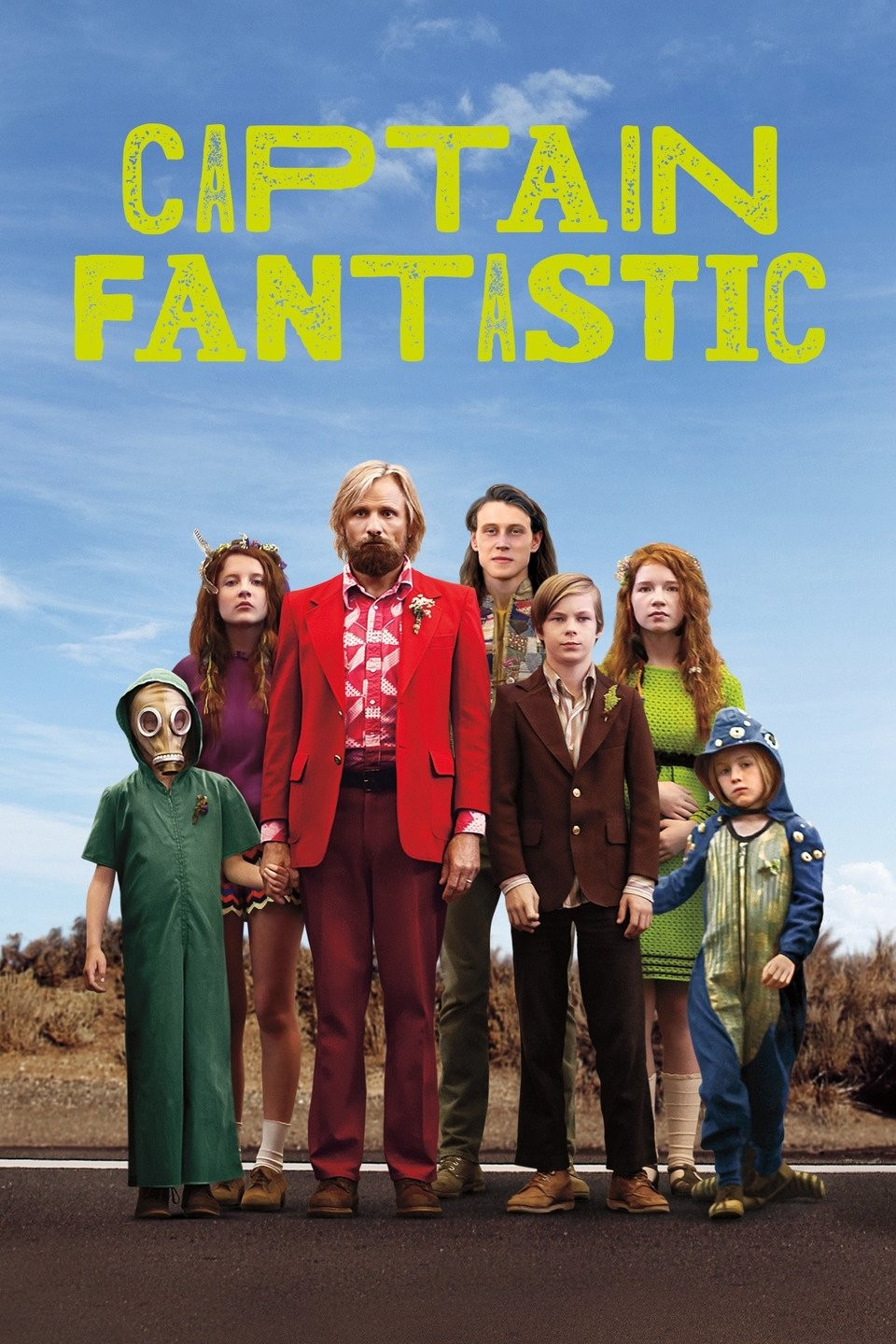
Captain Fantastic (2016) – Matt Ross (Friday’s Finest)

  • Nai: [from the back seat] What does rape mean?
  • Ben: When a person, usually a man, forces another person, usually a woman, to have sexual intercourse.
  • Nai: Oh.
  • Ben: Who’s hungry?
  • Kids: Me! Me!
  • Nai: What’s sexual intercourse?
  • Ben: When a man sticks his penis in a woman’s vagina… Everyone keep their eyes peeled for deer.
  • Nai: Why would a man stick his penis in a woman’s vagina?
  • Ben: Because it can give them both pleasure. And because the combination of a man’s sperm and a woman’s egg can create a baby and continue the human race.
  • Nai: But that’s where she pees.
  • Ben: Pee comes not from the vagina, but from the urethra, which is within the outer labia. But generally speaking, yes, that is where she pees… Everyone keep your eyes open for game of any kind.

IMDB Storyline:
In the forests of the Pacific Northwest, a father devoted to raising his six kids with a rigorous physical and intellectual education is forced to leave his paradise and enter the world, challenging his idea of what it means to be a parent.

In similar modus operandi to the irrepressible Little Miss Sunshine, Captain Fantastic isn’t ashamed to take it’s audience out of their comfort zone (to a remote forest to be exact) and travel down roads less taken. As is evident from the conversation above between Ben and his very young daughter Nai, this movie doesn’t shy away from confronting sensitive topics like ‘Sex, Politics and Religion’ head-on. In the eyes of this reviewer, do I myself espouse to the Noam Chomsky-esque – anarcho-syndicalist, libertarian socialist and Green revolution world views that Ben imparts onto his children? No, not exactly, but it depends on who you’re transmitting it too. Consider Naval Ravikat comments about how ethics don’t scale:

‘With my family I’m a communist. With my close friends I’m a socialist. At my state level, I’m a democrat. At national level I’m a Republican and at the federal level I’m a libertarian’.

Mr Ravikat elaborated ‘The larger the group of people you have massed together who have different interests; the less trust there is; the more cheating there is; the better the incentives have to be aligned; the better the system has to work, then the more you go towards Capitalism. The smaller the group you in. You’re in your kibitz, you’re in your commune, you’re in your house, you’re in your tribe, by all means be a socialist…..but when you’re dealing with strangers you want to be a real socialist? Then great, open all your doors tomorrow. Please come everybody and take what you want and see how that works.’

Furthermore, there are aspects to Ben’s philosophy and mode of parenting I feel are sorely lacking in today’s rationalist – materialist world. Below is a list of what I consider his ‘positive’ parenting facets:

  • Ben leads by example and takes his role as ‘parent’ extremely seriously,
  • Ben treats his children with transparency and dignity as he himself would want to be treated,
  • Ben teaches them how to take responsibility and deal with overcoming adversity in the most dire of circumstances,
  • Ben develops their natural curiosity to learn, and to love ‘reading’, and
  • Ben imparts on them the perils of succumbing to a modern consumer mindset and being reliant on corporate stakeholdership.

Is Captain Fantastic without it’s flaws and do the events feel entirely credible and realistic? Does it make my 100 Favourite Movies list? Heck, no. But, it has its moments in the sun which deserve high praise because it represents my ineffable adoration of the ‘original’ movie: A movie that feels like no other movie I have seen. Give me more of that as an audience member in lieu of the modern big swell blockbuster reboots and ‘woke’ captured Star Wars franchises. So, please, pretty please… with sugar on top and for the love of god, give me more like Captain Fantastic, A Separation, Little Miss Sunshine, Paris Texas, Candy, Barton Fink, Another Earth, Being John Malkovich, Billy Elliot, Chasing Amy, Ex Maquina, Half Nelson, I Origins, Mr. Turner, Mulholland Drive, Naked, Once Were Warriors, Picnic at Hanging Rock, Roma, Running on Empty, The Royal Tenenbaums, Take Shelter, The Father, Tár, The Hunt, The Wrestler, This is Spinal Tap, Waterland, The Secret in their Eyes, and Wild Tales.

Interesting IMDB Trivia of Captain Fantastic:

  • George MacKay practiced yoga 3-4 hours a day once he was cast as Bo so he could do the advanced poses he did in the film. He said it was the toughest part of the shoot for him.
  • The actors went on a two-day survival trip and slept together as a family in a hut they built made of ferns. They learned how to track and start a fire with a bow drill, read a lot, and learned about the world’s political systems.
  • Matt Ross said a team member contacted Noam Chomsky to clear his quotes for use in the film. “The way he responded was indicative of the human being that he is, no lawyers, just ‘please quote me correctly.'”
  • Director Matt Ross had the actors who played the six fictional Cash children in CAPTAIN FANTASTIC sign a contract promising not to bring any electronic devices on set and to “keep processed foods and sugars to a minimum.”
  • One of the baby pictures taped to the school bus walls is of Viggo Mortensen’s own son, Henry.
  • Viggo Mortensen’s red-patterned shirt that he’s wearing in the funeral scene of Captain Fantastic is the same shirt he wore in the 1992 movie Indian Runner, of which snippets were used in the Bruce Springsteen music video for the song “Highway Patrolman” (1982). In the video, Mortensen plays the bad-luck, no-good brother of the highway patrolman.

References:
1: Captain Fantastic (film) – Wikipedia
2. Captain Fantastic (2016) – IMDB

Tagged with: , ,
Posted in Movies and TV

Radio (2012) – Lana Del Rey

With a career spanning from 2005 and beyond, accomplished many achievements, such as being named The Greatest American Songwriter of the 21st Century by Rolling Stone UK, being awarded Variety’s Decade Award, as well as winning 40 awards throughout her run in the music industry many would assume Del Rey would have acquired a Grammy….Del Rey has had 11 Grammy nominations spanning from 2011 to the most recent awards in 2024, yet still has never taken home a statue.
Why Has Lana Del Rey Never Won A Grammy Award? – The Spartan 

I must have a proclivity for songs that contain the word radio in the title. Hotel Radio by David Bridie, Listen to the Radio by Don Williams and now Lana Del Rey’s kitsche song Radio. I can’t believe they named the radio after a Lana Del Rey song! I also have no idea how I came across it. I presumed it was from someone’s blog I follow here, but apparently not. This song has a blend of vintage glamour and modern melancholy, and I like Lana Del Rey’s knack for combining sweetness with a raw, unfiltered reality: “Now my life is sweet like cinnamon / Like a f**cking dream I’m living in“.
Radio featured on Lana Del Rey’s 2012 debut album Born to Die and was crafted during a time when the singer was exploring themes of fame, love, and identity.

[Verse 1]
Not even they can stop me now
Boy, I be flyin’ overhead
Their heavy words can’t bring me down
Boy, I’ve been raised from the dead

[Pre-Chorus]
No one even knows how hard life was
I don’t even think about it now because
I finally found you
Oh, sing it to me

[Chorus]
Now my life is sweet like cinnamon
Like a fucking dream I’m livin’ in
Baby, love me ’cause I’m playin’ on the radio
How do you like me now?
Pick me up and take me like a vitamin
‘Cause my body’s sweet like sugar venom, oh, yeah
Baby, love me ’cause I’m playin’ on the radio
How do you like me now? (Read the remainder here)

Radio (also known as “Cinnamon”) is a song written by Del Rey and Justin Parker. Del Rey worked with producers such as Emile Haynie and Jeff Bhasker to create the lush, atmospheric sound that defines Radio. The incorporation of dreamy synths, and Del Rey’s smoky vocals contribute to the song’s ethereal and cinematic quality. It has garnered widespread acclaim and popularity, earning millions of streams and becoming a fan favorite in Lana Del Rey’s discography.

References:
1. Lana Del Rey. (n.d.) – Wikipedia
2. Born to Die (Lana Del Rey album) – Wikipedia
3. “Radio” – Lana Del Rey Lyrics. (n.d.) – Genius

Tagged with: , ,
Posted in Music

Follow Blog via Email

Enter your email address to follow this blog and receive notifications of new posts by email.

Join 780 other subscribers

← Back

Thank you for your response. ✨