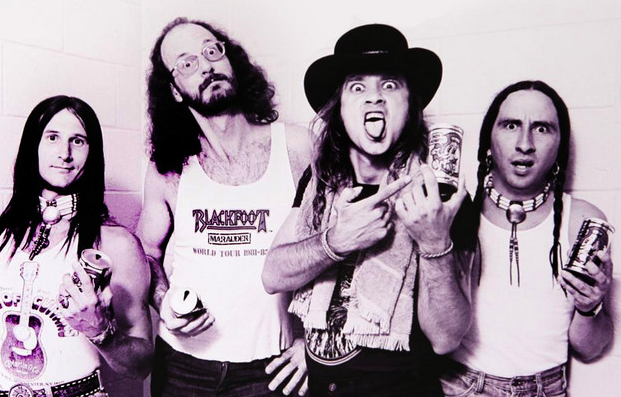
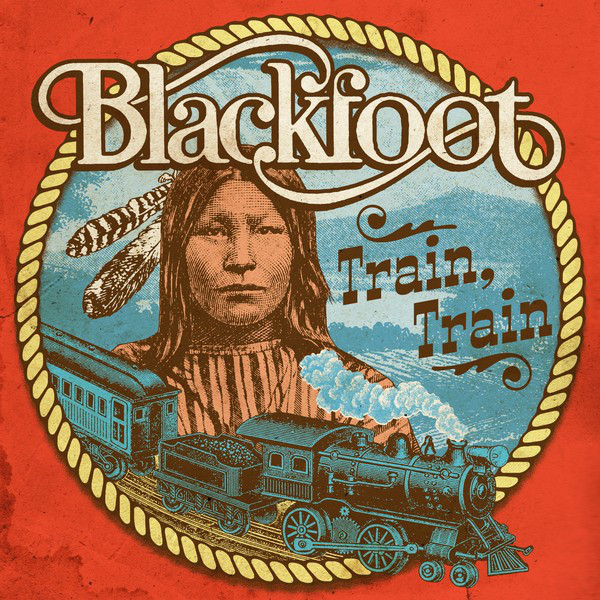
Down-and-dirty rocker music is not usually my thang, but dang, Blackfoot can play wicked, boot-stomping rock ’n’ roll – which is right up my alley, especially in today’s featured song, Train, Train. It has a serious train-like rhythm (no surprise there), a drawling blues harp, a shredding guitar riff, and some raw, deep Southern vocals.
According to the article below: ‘When Blackfoot lead singer Rickey Medlocke needed a harp player to open the song “Train, Train,” he called in his granpappy Shorty Medlocke. It was a canny choice – not only can Shorty perform a mean suck and blow on the old harmonica, he also wrote the song‘.
Train, Train is some really intense American Southern rock in the vain of some of Lynyrd Skynyrd and The Allman Brothers music. In fact Rickey Medlocke played with an early incarnation of Lynyrd Skynyrd and re-joined permanently in the mid-90s. Effectively he remains active in both bands: Blackfoot and Lynyrd Skynyrd.
Train, Train was released on Blackfoot’s third album called Strikes. This song and Highway Song were released as singles, reaching No.38 and No. 26 on the US Billboard respectively. They remain the band’s best-known and most successful songs.
Blackfoot originated from Jacksonville, Florida and formed in 1970. The group disbanded in the early 1980s but has reunited a few times since then, the second time including all the original members except Medlocke, who had rejoined Lynyrd Skynyrd in 1996.
From Wikipedia: The band changed their name to Blackfoot to represent the American Indian heritage of its members:Jakson Spires (from Oklahoma) had a Cheyenne/French father and a Cherokee mother; Rickey Medlocke’s father was Lakota Sioux and Blackfoot Indian, and his mother’s side is Creek/Cherokee, Scottish and Irish; Greg “Two Wolf” Walker is part Eastern (Muskogee) Creek, a tribe recognized by the state of Florida, but not federally.
[Intro] Oh, here it come
[Verse 1] Well, train, train Take me on out of this town Train, train Lord, take me on out of this town Well, that woman I’m in love with Lord, she’s Memphis bound
[Verse 2] Well, leavin’ here I’m just a raggedy hobo Lord, I’m leaving here I’m just a raggedy hobo Well, that woman I’m in love with Lord, she’s got to go
[Verse 3] Well, goodbye, pretty mama Get yourself a money man Goodbye, pretty mama Lord, get yourself a money man You take that midnight train to Memphis Lord, leave if you can Oh, take that midnight train to Memphis Lord, leave if you can Oh, take that train, baby
Give Me One Reason by Tracy Chapman is one heck of a catchy blues number. It just screams – cool and sexy at the same time. The singer is bold and sultry, and desires a lover who will take the initiative and call for her sweet ol’ attention. Because as she says – I’m too old to go chasing you around.
However, she’s not seeking a desperate (or crazy) lover – someone who will squeeze her into submission: “I don’t want no one to squeeze me / They might take away my life.” She still wants her space, but a little tender loving wouldn’t go astray as they rock her through the night.
Is it just me or it getting hot in here? Well it’s all Tracy’s fault and there seems no way to turn down the thermostat.
No, really… anyone who needs a reset and a good, long, hard look at themselves in a relationship may as well listen to Tracy – or better still, read the lyrics below and take counsel from them. There’s good insight here on how to get back on track in attracting a partner, while also getting yourself back in the mood. I’m starting to think I should have added a warning label to this post.
It goes without saying the instrumentals in this bluesy and gritty number complements everything Tracy is saying. And as each verse progresses and the band kicks in – the pleading in her voice becomes cathartic, begging for a reason to stay while knowing it probably won’t come.
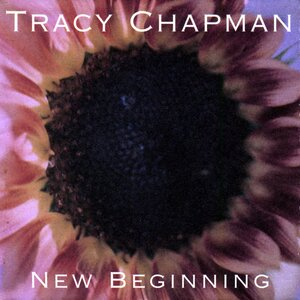
Give Me One Reason is from Tracy’s 4th studio album – New Beginnings. The song is Tracy’s biggest US hit, reaching No. 3 on the US Billboard and No. 3 in Australia as well. It topped the charts of Canada and Iceland. But get this – it peaked at No. 95 in the UK! I’m keeping my lips well and truly sealed on its under performance there ;-P
Tracy first performed Give Me One Reason during her 1988 tour, seven years before its release. She earned the Grammy Award for Best Rock Song for the track.
[Chorus] Give me one reason to stay here And I’ll turn right back around Give me one reason to stay here And I’ll turn right back around Said I don’t wanna leave you lonely You gotta make me change my mind
[Verse 1] Baby, I got your number Oh, and I know that you got mine You know that I called you, I called too many times You can call me baby, you can call me anytime But you got to call me
[Chorus]
[Verse 2] I don’t want no one to squeeze me They might take away my life I don’t want no one to squeeze me They might take away my life I just want someone to hold me Oh, and rock me through the night
[Verse 3] This youthful heart can love you, yes And give you what you need I said this youthful heart can love you Oh, and give you what you need But I’m too old to go chasing you around Wasting my precious energy
[Chorus]
[Outro] Baby, just give me one reason Give me just one reason why Baby, just give me one reason Oh, give me just one reason why I should stay Said I told you that I loved you And there ain’t no more to say
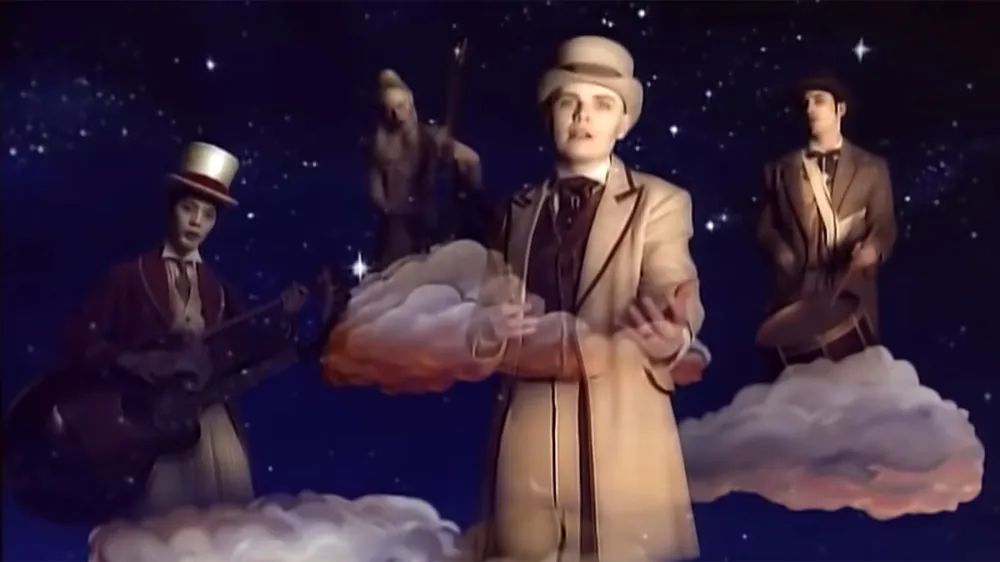
This is the second song by The Smashing Pumpkins to feature here in fairly quick succession after Today – a happy quirk of the alphabetical order of song titles. Tonight, Tonight is a grand juggernaut of dreamy, celestial alternative rock. The song and its video are epic and feel like an odyssey. The music video was inspired by Georges Méliès’ 1902 silent film A Trip to the Moon. It shows a couple taking a trip to the moon, while the band performs the track as if floating in space.
The grand scope and symphonic string and drum elements of Tonight, Tonight mark a strong shift from the prototypical alt-rock grunge sound heard on their earlier album Siamese Dream. As Frontman and guitarist Billy Corgan sings, “In the resolute urgency of now” it pulls you into the present moment, and everything comes together in the chorus. The strings were recorded with members of the Chicago Symphony Orchestra. Corgan said that recording with a 30-piece string section for the song “was probably one of the most exciting recording experiences I have ever had.”
The song moves into quieter moments with just guitar and Corgan’s raspy, nasal voice, before returning to the sweeping strings and pounding drums, with Corgan crying out “Believe!” He has said the song is addressed to himself – a message to the child who survived an abusive upbringing – urging him to keep believing in himself. It is that contrast between the huge cinematic sound and the reflective passages that gives the song its power and emotional reach.
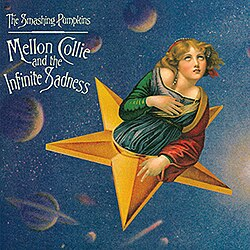
Tonight, Tonight was released as the fourth single from the Smashing Pumpkins third studio album Mellon Collie and the Infinite Sadness in 1995. The recording of Tonight, Tonight first began while the Pumpkins were still on the Siamese Dream tour.
Tonight, Tonight was critically acclaimed and commercially well-received upon its release. It reached No. 36 on the US Billboard, No. 7 in the UK, No 21 in Australia and No. 1 in Iceland.
[Verse 1] Time is never time at all You can never ever leave Without leaving a piece of youth And our lives are forever changed We will never be the same The more you change, the less you feel
[Pre-Chorus] Believe, believe in me Believe, believe
[Chorus] That life can change, that you’re not stuck in vain We’re not the same, we’re different Tonight Tonight, tonight, so bright Tonight Tonight
[Verse 2] And you know you’re never sure But you’re sure you could be right If you held yourself up to the light And the embers never fade In your city by the lake The place where you were born
[Pre-Chorus] Believe, believe in me Believe, believe
[Chorus] In the resolute urgency of now And if you believe there’s not a chance Tonight Tonight, tonight, so bright Tonight Tonight
[Bridge] We’ll crucify the insincere tonight (Tonight) We’ll make things right, we’ll feel it all tonight (Tonight) We’ll find a way to offer up the night (Tonight) The indescribable moments of your life (Tonight) The impossible is possible tonight (Tonight) Believe in me as I believe in you
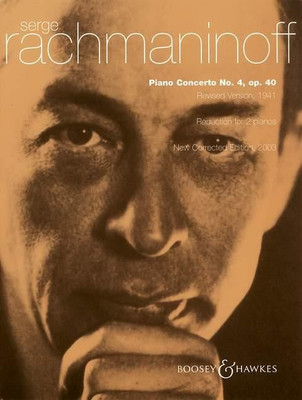
Piano Concerto No. 4 in G minor, Op. 40 is a concerto for piano and orchestra by Russian composer Sergei Rachmaninoff, completed in 1926. With today’s Rach 4 (many people affectionately call Rachmaninoff “the Rach” for short), we complete the set of his four piano concertos on this blog.
Rachmaninoff’s No. 4 is the least well known and least well received of the four, but I consider the first movement in particular to be some of the most stunning, exuberant, and dramatic music from any piano concerto I have heard. In fact, I’m not the only one singing its praises. The video at the end of this article calls the Rach 4 his unsung masterpiece and says it is criminally underrated.
It’s striking that the first movement – Allegro vivace (G minor) – opens almost like a climax. Oddly enough, it begins with a bold, commanding statement from the piano, which can sound like the ending of one of his earlier concertos. In the video at the end of this post, pianists give examples to support their views on the piece, including the powerful opening piano theme. The music moves into some dark and unsettled places. Many listeners did not respond warmly to Rachmaninoff’s Fourth at its premiere, which disappointed him.
I should admit that I am not a great fan of the repetitive and sometimes sour-sounding second movement. Some listeners have asked: where is the sweeping romantic second theme we expect from Rachmaninoff? For example Piano Concerto 2, Movement. 2 is about the most romantic music I’ve ever heard.
If you listen to the Fourth with “Rach 2 or 3 ears,” you may feel a little disillusioned. As suggested in the documentary below, the music can seem to be searching for a clear identity. He wrote it after settling in the United States, during a time when he struggled with homesickness. Some hear this tension and restlessness running through the concerto.
It may be more of an acquired taste than his other concertos. But the more you listen, the more the music begins to make sense and reveal its character.
From Wikipedia:
Following its unsuccessful premiere (1st version), the composer made cuts and other amendments before publishing it in 1928 (2nd version). With continued lack of success, he withdrew the work, eventually revising and republishing it in 1941 (3rd version, most generally performed today). Many have noted Rachmaninoff’s inspiration from George Gershwin’s Rhapsody in Blue, a piece for piano and orchestra completed in 1924, only three years before Rachmaninoff finished his own.
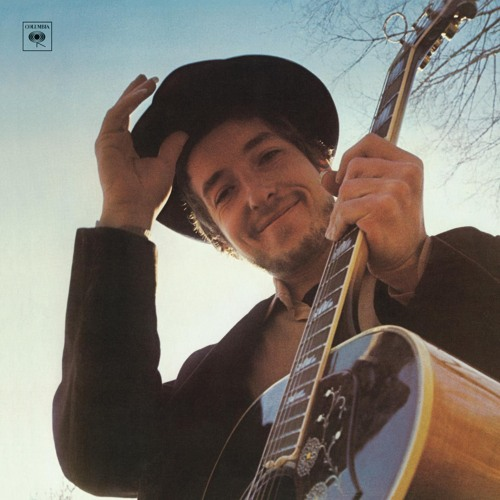
I came to this song via the live 1975 Rolling Thunder Revue version in Montreal, but having heard the original studio version again from the Nashville Skyline record, I am quite taken with it as well. The two versions and Dylan’s interpretation on both couldn’t be more stark – each is nearly unrecognisable from the other – that’s Bob Dylan for you!
On Rolling Thunder he’s got that hoarse, shout-singing voice. On Nashville Skyline he’s got a soft, affected country croon. Instrumentally they are just as far removed, with the uptempo rock-edged arrangement on Rolling Thunder and then the warm, mellow country sound on Nashville Skyline.
I imagine when I heard the later Rolling Thunder Revue version that I hadn’t associated it with the original release, which I had heard years before. If there’s one thing that can frustrate fans at Dylan’s live concerts, it is how his reinvented versions are almost unrecognisable from the originals that fans are used to. So as he begins a song, many are left baffled about which one from his collection he is singing. If a given fan hasn’t heard their fair share of concert bootlegs, then when it comes time to attend your first Dylan concert, you could feel like a fish out of water. It’s not like a Rolling Stones concert (who tour once in a while, unlike our never-ending tour Bob), where they play their biggest hits and they sound just like the studio versions.
Personally, that’s what I find endearing about Bob’s music, and one of his best attributes is how he is able to transform and reconfigure his songs into something new. No two performances are ever quite the same, keeping the song fresh and enigmatic. Over the years, Dylan modifies verses, swaps lines, or emphasizes different parts of the lyrics depending on the mood of the performance. Dylan’s chameleon-like approach ensures his songs remain living, evolving pieces of art rather than static historical records.
For further information about Bob Dylan bootlegs, I point you to a project I initiated in 2014 on the Bob Dylan Expecting Rain – Rare Recordings forum, which entailed compiling Bob Dylan’s greatest live recordings that members felt surpassed their originals. I called it Dylan’s Desert Island Revue. The aim was: “If you were stuck on a desert island, is there an unreleased live recording of a song that you would want, or could happily live with, in place of the official studio version (or official bootleg)?” Over two months and 89 nominations later, you can find in the previous link the Dylan’s Desert Island Revue (DDIR) compilation.
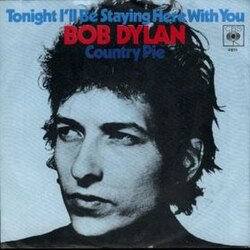
Now finally on to today’s featured track – Tonight, I’ll Be Staying Here With You. The song expresses Dylan’s devotion to his lover and his willingness to stay with her. Dylan was off somewhere, had his tickets ready and his suitcase packed, but such is his desire to be with his dearest that he’s throwing all of that aside to spend the night by her side. He sounds pretty desperate, but her love comes on so strong that he feels he has no other choice than to give everything up for just another night with her.
He says – in no uncertain terms – that he’s under her spell, foretelling a future song (a brilliant one, by the way) by that name on the maligned 1986 Knocked Out Loaded record. In the Revue version below you can sense that desperation in his voice and the edgy music. It ends so romantically, as seen below, and the implication of the song is that the singer is willing to stay permanently and become a family man.
I can hear that whistle blowin’ I see that stationmaster too If there’s a poor boy on the street Then let him have my seat ‘Cause tonight I’ll be staying here with you
The following was abridged from the Wikipedia article below:
Tonight, I’ll Be Staying Here With You is the closing song of the album. The song was the third single released from the album, after I Threw It All Away and Lay Lady Lay, reaching No. 50 on the US Billboard, and reaching the top 20 in other countries… “Tonight I’ll Be Staying Here with You” was written over two days at the Ramada Inn where Dylan was staying, and recorded over 11 takes on February 17.
Dylan did not play “Tonight I’ll Be Staying Here with You” live in concert until the Rolling Thunder Revue tours in 1975 and 1976, and it was not played live again until February 1990 on the Neverending Tour.
[Verse 1] Throw my ticket out the window Throw my suitcase out there, too Throw my troubles out the door I don’t need them anymore ‘Cause tonight I’ll be staying here with you
[Verse 2] I should have left this town this morning But it was more than I could do Oh, your love comes on so strong And I’ve waited all day long For tonight when I’ll be staying here with you
[Bridge] Is it really any wonder The love that a stranger might receive? You cast your spell and I went under I find it so difficult to leave
[Verse 3] I can hear that whistle blowin’ I see that stationmaster too If there’s a poor boy on the street Then let him have my seat ‘Cause tonight I’ll be staying here with you
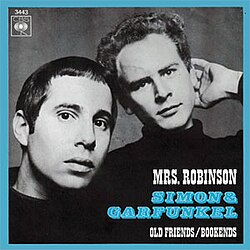
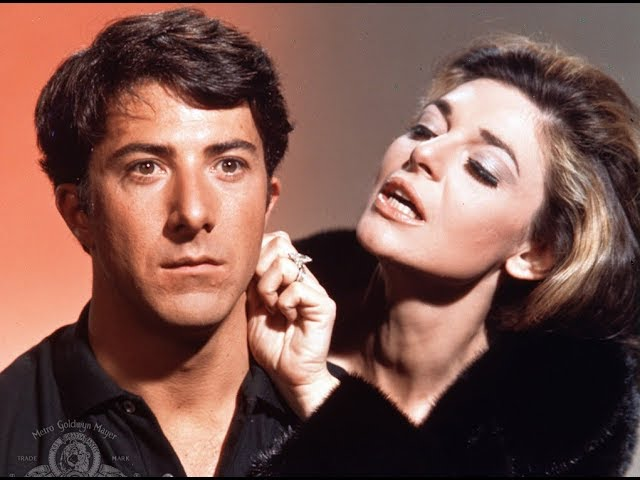
One of Simon & Garfunkel’s most popular tunes comes to us today: Mrs. Robinson. It’s known in pop culture largely for its use in The Graduate, which featured a monumental Simon & Garfunkel soundtrack, including other great songs like The Sound of Silence, Scarborough Fair and April Come She Will. Unlike those restrained, pensive, harmony-soaked tracks, Mrs. Robinson is a curious, unorthodox, upbeat, and rollicking number.
The following was abridged from the Wikipedia article below:
The song was released on the duo’s fourth studio album bookends. It was only meanwhile Mike Nichols was shooting The Graduate that he became fascinated with two of the duo’s songs. He met with Columbia records to ask permission to use Simon & Garfunkel music for his film. They agreed and envisioned it being a best-selling soundtrack album.
Simon was initially not so keen, viewing movies as akin to “selling out”, but he agreed to write at least one or two new songs for the film after being impressed by Nichols’ wit and the script. Eventually a deal was negotiated that paid Simon $25,000 to submit three songs to Nichols. Simon reemerged with Punky’s Dilemma and Overs, neither of which Nichols was particularly taken with.
So later they returned with a early draft of Mrs. Robinson only singing dee de dee dee de dee dee dee because there was no verse yet, but Nichols liked even that. Before that they had it as a working title of “Mrs. Roosevelt” (Eleanor Roosevelt). And because of the character in the picture they just began using the name ‘Mrs. Robinson’ to fit.
The recording was released more than three months after the release of The Graduate, but through its numerous radio plays became an important cross-promotion of the film during its initial run in theaters. Mrs. Robinson became the duo’s second chart-topper (after The Sound of Silence in 1966), reaching No. 1 on the Billboard, as well as peaking within the top 10 of the United Kingdom.
For trivia buffs out there: Simon was a big Mickey Mantle fan and when asked by Dick Cavette why he chose Joe DiMaggio in the last verse, he said – “It’s about syllables, Dick. It’s about how many beats there are“.
Simon met up with Joe Di Maggio in a New York City restaurant in 1970 and Joe asked him – “What I don’t understand, is why you ask where I’ve gone?“…Simon replied “that I didn’t mean the lines literally, that I thought of him as an American hero and that genuine heroes were in short supply. He accepted the explanation and thanked me. We shook hands and said good night“.
Following DiMaggio’s death in 1999, numerous media outlets ran headlines stating: “Joltin’ Joe has left and gone away.” Simon subsequently performed “Mrs. Robinson” at Yankee Stadium in DiMaggio’s honor (leaving out the second verse).
[Intro] Dee dee dee dee dee dee dee dee dee dee dee dee dee Doo doo doo doo doo doo doo doo doo Dee dee dee dee dee dee dee dee dee dee dee dee dee
[Chorus] And here’s to you, Mrs. Robinson Jesus loves you more than you will know Woah, woah, woah God bless you please, Mrs. Robinson Heaven holds a place for those who pray Hey, hey, hey Hey, hey, hey
[Verse 1] We’d like to know a little bit about you for our files We’d like to help you learn to help yourself Look around you, all you see are sympathetic eyes Stroll around the grounds until you feel at home
[Chorus]
[Verse 2] Hide it in a hiding place where no one ever goes Put it in your pantry with your cupcakes It’s a little secret, just the Robinsons’ affair Most of all, you’ve got to hide it from the kids
[Chorus]
[Verse 3] Sitting on a sofa on a Sunday afternoon Going to the candidates debate Laugh about it, shout about it When you’ve got to choose Every way you look at it, you lose
[Chorus] Where have you gone, Joe DiMaggio? A nation turns its lonely eyes to you Woo, woo, woo What’s that you say, Mrs. Robinson? Joltin’ Joe has left and gone away Hey, hey, hey Hey, hey, hey
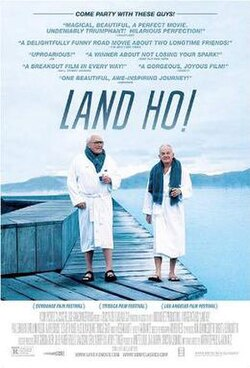
You might have seen those “bucket list” movies where ageing stars team up to tick off lifelong dreams and get into a bit of mischief along the way. You know the type – pleasant, sentimental, and fairly predictable.
Now we come to Land Ho!, which shares a similar idea trying to reclaim a sense of youth. But the actors here are hardly household names, and nothing they do is especially extravagant or wild. It’s simply two former brothers-in-law vacationing in Iceland. When I first started watching it, I thought it was a travel documentary. The realism, the small details in their behaviour, and the improvisational feel make it hard to tell where performance begins and ends. They visit Reykjavík nightclubs, soak in thermal baths, explore rugged campsites – and yes, they even share a puff of weed.
Principal photography took just 16 days in Iceland. Naturally, the cinematography is stunning – it is Iceland, after all. You could almost just point and shoot. It was shot on two Red One cameras to better capture natural reactions, edited in six weeks, and remarkably, only one year and three days passed between its conception and its premiere at Sundance.
As the film unfolds, you become quietly immersed in their “quest” – though what that quest is exactly remains unclear. That’s part of the charm. There’s no grand objective, no dramatic destination. It’s simply about living and companionship.
What I appreciated most was the contrast between the two men: one, a loud, bawdy, free-spending American surgeon; the other, a quieter and more reserved Australian. But that simplification shouldn’t suggest they are stereotypes. Far from it. This is a character-rich story. As critic Glenn Kenny wrote in his review for RogerEbert.com, there’s “character driven,” and then there’s “CHARACTER driven.” That sums it up.
The filmmakers don’t force us to either love or dislike these men. They have flaws, irritations, warmth, and vulnerability – just like anyone. They don’t behave as if they are trying to impress anyone. Their chemistry feels genuine, and the message they convey is subtle but touching. This is a refreshingly unsuperficial film.
One of the most intriguing turns in the story comes when the men meet two young, independent women during their travels. The encounter makes the older men playful and hopeful. You feel for the women too, wondering how they will respond to this unexpected attention. It’s a delicate dynamic, handled with restraint and charm. The interactions are nuanced and gently comic, reflecting the spirit of the entire film. As Manohla Dargis of The New York Times observed, the film offers a portrait of men who are gloriously alive and who just happen to be old.
The movie wasn’t especially well received by general audiences, earning a modest 6.0 on IMDb and 54% on Rotten Tomatoes. Critics, however, were far more positive, with 82% on Rotten Tomatoes and a strong 3.5 out of 4 in the Roger Ebert review below. I fall firmly in the critics’ camp on this one. Is it a must-see masterpiece? No, not at all. But it is a refreshing and quietly funny adventure-comedy for mature audiences – and I got a real kick out of it. The film won the John Cassavetes Award for Best Feature under $500,000 at the 2015 Independent Spirit Awards.
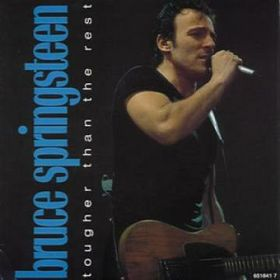
I remember owning that cassette single above as a 13-year-old. Gee, I wore it out, since I was such a huge fan of this song. I also remember watching the official video on Saturday mornings, catching the Top 40 on Rage in Australia. Despite those strong memories, the single only reached No. 35 in Australia. Bizarrely, it wasn’t released as a single in the US and has never been one of his most popular songs there. In Europe, however, Tougher Than the Rest remains one of Springsteen’s most beloved tracks and charted strongly in several countries, including the UK.
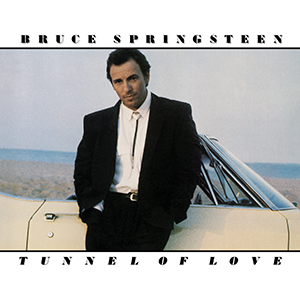
Bruce Springsteen had not previously explored country influences so clearly as he did on Tunnel of Love, which at the time was one of the most highly anticipated albums in contemporary rock. Coming off one of the biggest-selling albums of all time, Born in the U.S.A., expectations were sky-high for Tunnel of Love.
When it became clear that Bruce had shifted away from the power rock anthems of Born in the U.S.A. toward a more introspective and restrained sound, the reaction was more mixed than before. The album seemed to reflect the breakdown of his short-lived marriage to model and actress Julianne Phillips.
Now back to today’s featured track – Tougher Than the Rest. More than any other song on the album, it suggested a turning point for Bruce after his personal struggles and divorce in 1988. It also became closely linked to Patti Scialfa, his future and now longtime wife, especially through their duet performances on tour. The chemistry between them on stage was clear. Both seemed to be stepping out of past relationships and into something new.
The song opens with a moody and heavy drum entrance before that wiry, winding guitar line moves through the track. My favourite part is that lingering, curling guitar which gives the song a grainy country tone. The studio version is more keyboard-driven and does not feature the aforementioned guitar sound heard in many live performances, like the official video below. Interestingly Tougher Than The Rest was originally written as a rockabilly song, but the final version has a slower and more methodical rhythm.
It’s a romantic, country-leaning love song with a gritty yet honest edge. You can hear the sincerity in their voices – the willingness to stand firm and prove that his love can last. When Bruce and Patti look at each other during live performances, it’s hard not to feel the emotion. They stand there in front of the world, pledging lasting love – and nearly four decades after its release in 1987, that promise appears to have endured.
The video is pretty cool too. It features Bruce and Patti singing to each other and is interspersed with highlights from his live shows. I like how it begins by showing real-life couples and then cuts to other couples throughout.
[Verse 1] Well, it’s Saturday night You’re all dressed up in blue I been watching you a while Maybe you been watching me, too So somebody ran out Left somebody’s heart in a mess Well, if you’re looking for love Honey, I’m tougher than the rest
[Verse 2] Some girls, they want a handsome Dan Or some good-lookin’ Joe On their arm, some girls Like a sweet-talkin’ Romeo Well, ’round here, baby I learned you get what you can get So if you’re rough enough for love Honey, I’m tougher than the rest
[Bridge] The road is dark and it’s a thin, thin line But I want you to know I’ll walk it for you any time Maybe your other boyfriends couldn’t pass the test Well, if you’re rough and ready for love Honey, I’m tougher than the rest
[Verse 3] Well, it ain’t no secret I’ve been around a time or two Well, I don’t know, baby Maybe you’ve been around too Well, there’s another dance All you gotta do is say yes And if you’re rough and ready for love Honey, I’m tougher than the rest
[Refrain] If you’re rough enough for love Baby, I’m tougher than the rest
One of the nicest surprises in my recent music journey has been finding more songs by German singer and rapper Clueso (Thomas Hübner). The more I hear, the more I enjoy. Almost every time I listen, I come across another track worth adding to my music library project.
The extent of my knowledge of the German language is confined to a semester of German in grade 5, which means I understand ‘diddly squat’. But that has not stopped me from enjoying these cool melodies, rhythmic groove and polished instrumentals. Clueso has so much natural music talent and he blends pop, hip-hop and singer-songwriter styles with ease. And from what you see in his live shows and videos, he carries himself with a youthful charm and a modest manner.
A friend who loves the German language and culture first introduced me to one of his songs in 2019. For anyone new to Clueso, a great place to start is his Live Summer Tour 2024 in Berlin, where the sound, full band, and open-air atmosphere create something special. It’s top-notch quality. Also the setting – stage at dusk, with thousands of voices singing along, adds real magic to the songs.
Today’s featured track, Flugmodus (“Flight Mode”), is a relaxed, rap / hip-hop-leaning song with a smooth and laid-back beat, but it’s pretty bouncy and animated too. In the video Clueso is just kind of hanging-out, having fun with his partner in crime who is comedian Teddy Teclebrhan. They are enjoying a luxurious lifestyle at the property of a man they have taken captive in his own home. It’s a great little short film put to music – a bit crazy, but harmless fun and all ends well. You definitely don’t need to understand German to follow the story – that’s for sure.
Lyrically, Clueso reflects on life on the move – long stretches away from home, constant travel, a sense of jet lag that never quite leaves. The title Flugmodus works as both a literal and symbolic idea: switching the phone to flight mode, shutting out the noise, and retreating into a private space – Everything’s good, eyes closed, Flight mode on (Yeah)
At its heart, the song is about distance and closeness. Even while travelling, he imagines being with the person he loves. There’s a sense of counting down the days until reunion, of wanting to pause the world and hold on to something real. The mood is reflective but not heavy – more dreamy than sad.
At the end of this post, I’ve included the curious, official video with its dark and twisted humour, which sharply contrasts with the breezy, chirpy sound and the singers’ buoyant mood. Below that, I’ve added the live version from the concert I mentioned earlier.
The following is a crude translation of Flugmodus: Permanenter Jetlag / Permanent jet lag Immer nicht in Glanzform / Always not at my best Leb’ auf der Straße wie ‘n Cadillac / Living on the road like a Cadillac Schick’ dir ‘n Foto, wenn ich ankomm’, yeah, ah / Sending you a pic when I arrive, yeah, ah Ich weiß nicht, wie viel Tage Action war, wie lang wir munter war’n / I don’t know how many days of action there were, how long we were awake Ich freu mich auf den Flieger, einfach abheben, runterfahr’n / I’m looking forward to the plane, just taking off, coming down Ich war zu lange fort, wir reden grad nicht viel / I’ve been gone too long, we’re not talking much right now Jeder nur ein Sterbenswort / Just a word from each of us
Und es ist alles okay / And everything’s okay Alles gut, Augen zu, Flugmodus an (Ja) / Everything’s good, eyes closed, Flight mode on (Yeah) Baby, ich bin gleich da / Baby, I’ll be right there Du bist bei mir, ich bin bei dir, komm, lass dich fall’n / You’re with me, I’m with you, come on, let yourself fall Fall’n rückwärts in den Treibsand / Falling backwards into quicksand Wolkenlos, weißes Bett / Cloudless, white bed Halt dich fest, California-King-Size / Hold on tight, California king size Du bist bei mir, ich bin bei dir, komm, lass dich fall’n / You’re with me, I’m with you, come on, let yourself fall Wir fall’n rückwärts in den Treibsand / We’re falling backwards into the Quicksand
Die Lobby Dolby (Ah), das Zimmer monoton / The lobby is Dolby (Ah), the room is monotonous Draußen hält die Leuchtreklame ‘nen Monolog / Outside, the neon sign is doing a monologue Ich brauche Kraft, kleb’ den Rauchmelder ab / I need strength, I tape over the smoke detector Die Gedanken laut, als wenn ein Stein ins Schaufenster kracht / My thoughts are loud, like a stone crashing through a shop window Ich könnte durchdreh’n (Durchdreh’n) / I could go crazy (Go crazy) Aber muss auf Kurs bleiben (Kurs bleiben) / But I have to stay on course (Stay on course) Könnte mein Telefon durchbeißen (Durchbeißen) / I could bite my phone in half (Bite it in half) Ich wär gern in deiner Zeitzone, deiner Zeitzone, yeah / I wish I were in your time zone, your time zone, yeah
[Pre-Refrain] Schwarze Wolken, eisblauer Swimmingpool / Black clouds, ice-blue swimming pool Ich hör’ deiner Stimme zu / I’m listening to your voice
Komm, lass uns einfach nur heimlich verschwinden / Come on, let’s just slip away secretly Irgendwo liegen, wo keiner uns findet (So weit) / Lie somewhere where no one can find us (So far) Ohne Druck wie gezeichnete Skizzen / Without pressure, like drawn sketches Und ich zähl’ die Tage rückwärts / And I’m counting the days backwards
[Pre-Refrain] Kerzen werfen Schatten an die Wand / Candles cast shadows on the wall Oben Kronleuchter, groß wie Amiland / Chandeliers upstairs, as big as America Schwarze Wolken, eisblauer Swimmingpool / Black clouds, ice-blue swimming pool Ich hör’ deiner Stimme zu /I’m listening to your voice
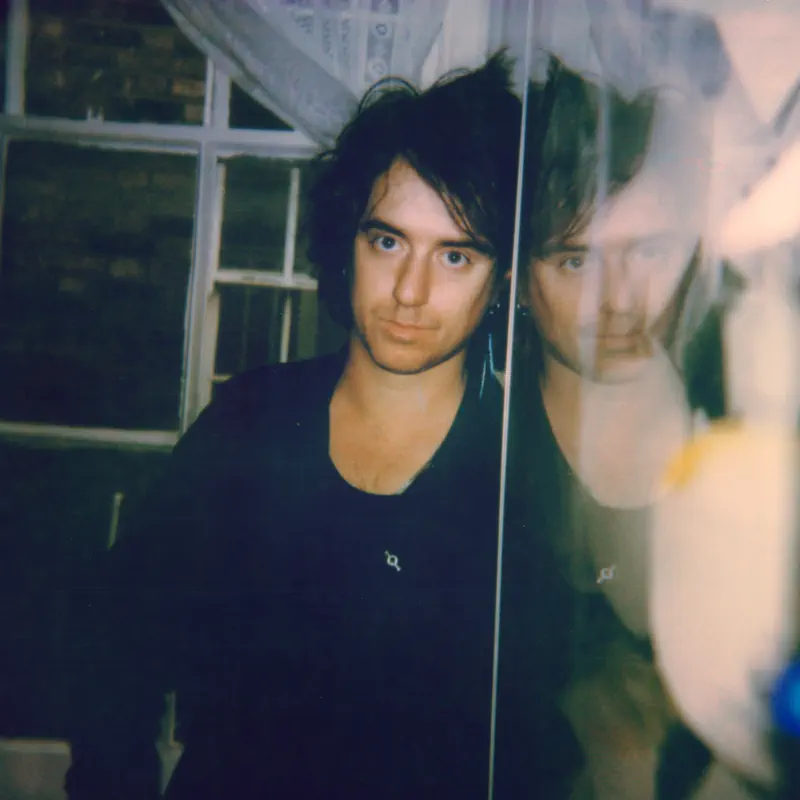
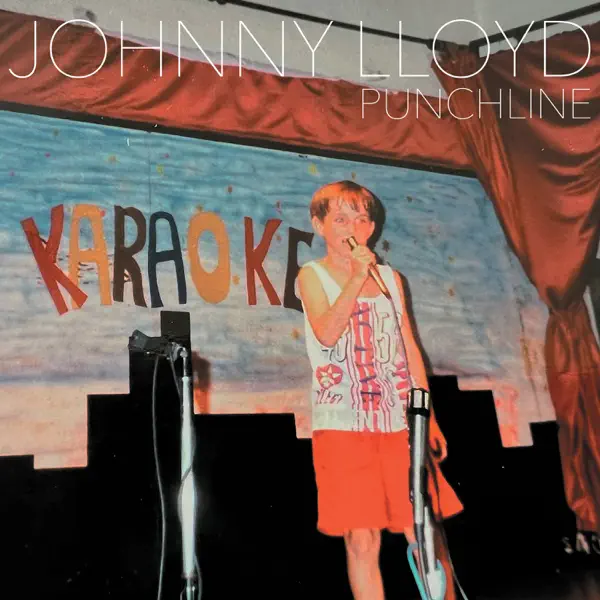
Released in October 2024, If You Love Them, Let Them Go is from Johnny Lloyd’s fourth studio album, Punchline (image inset), which came out on 31 January 2025. The record centres on love, heartbreak and the difficult act of moving on, built mainly around gentle acoustic guitar.
The single arrived after a busy stretch for Lloyd. He had been writing music for television and film, including work on I Hate Suzie, which won him the RTS Award for Best Original Music. During this period, he was also making new material and touring with his band Tribes.
If You Love Them, Let Them Go is a beautifully written song about unrequited love. Its lilting melody and intimate vocals give it a sense of surrender, just as the title suggests. There is also a distinctly English, folk-tinged feel in its opening – reminiscent of the acoustic mood of Dylan’s Girl From The North Country. The lyrics evoke the still-fresh memory of a love only recently lost. You can almost sense the perfume of his former lover and the taste of whiskey on her lips.
The title If You Love Them, Let Them Go echoes the age-old sentiment about emotional freedom and trust in genuine connection:
“If you love someone, let them go. If they come back, they’re yours. If they don’t, they were never yours to begin with”
Yet despite this idea of letting go, the narrator is clearly heartbroken by his lover’s recent departure:
Did the sun come up today, I wouldn’t notice anyway, you’re a shadow on the floor,
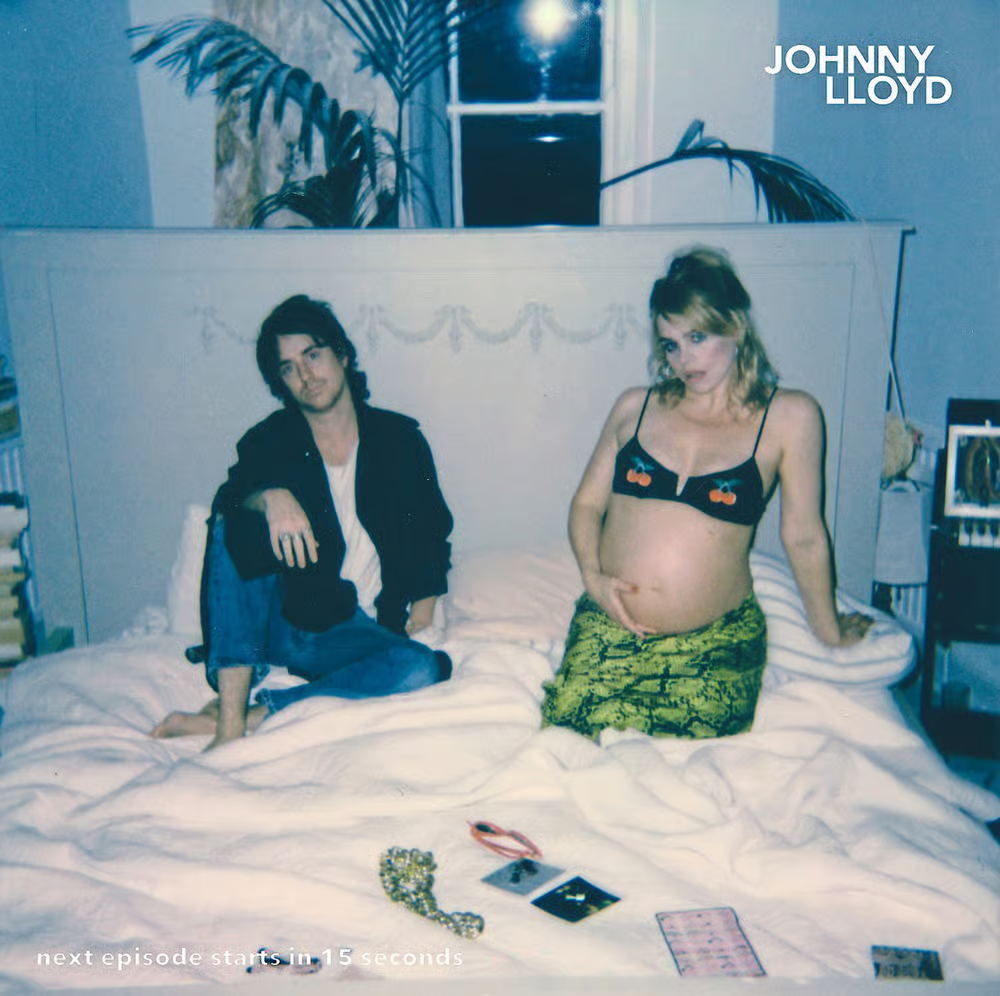
An interesting coincidence is that this reflective “break-up” song arrived just as my article appeared yesterday, revisiting my review of Scoop, which features a striking performance by Billie Piper – Lloyd’s former partner.
She appears in the photo left with Lloyd, cradling her pregnant stomach with one hand. Piper began dating Lloyd, frontman of Tribes, in 2016. Their daughter was born on 2 January 2019, and the couple separated in 2023.