
Only You (1982) – Alison Moyet (Yazoo)

If you take away anything from this, then read the interview with Alison Moyet below. I have spoken about Desert Island songs before and now we are getting down to the nitty-gritty. This song, everything about it will always come away with me to my Desert Island. When I was in grade 6, I sang this song in front of a whole school assembly. Sure I got laughed off and I wondered how my backup tambourine player could surmount the ordeal, but we got through. Rebecca went on to bigger and brighter things after that performance and I’m proud to say I did too. Man, what a song. I don’t have enough superlatives to describe the mastery and wonder of this song.
Looking from a window above
It’s like a story of love
Can you hear me?
Came back only yesterday
I’m moving farther away
Want you near me
All I needed was the love you gave
All I needed for another day
And all I ever knew
Only you
Sometimes when I think of her name
When it’s only a game
And I need you
Listen to the words that you say
It’s getting harder to stay
When I see you
All I needed was the love you gave
All I needed for another day
And all I ever knew
Only you
All I needed was the love you gave
All I needed for another day
And all I ever knew
Only you
This is going to take a long time
And I wonder what’s mine
Can’t take no more (can’t take no more)
Wonder if you’ll understand
It’s just the touch of your hand
Behind a closed door
All I needed was the love you gave
All I needed for another day
And all I ever knew
Only you
I have listened to Only You, I don’t know maybe 3 hundred times and I am still in awe of it. I know 80’s music gets a bad rap, but Only You is to me the best of this quagmire of synth sound. It is a song by English synth-pop duo Yazoo and written by member Vince Clarke, while he was still with Depeche Mode, but recorded in 1982 after he formed Yazoo with Alison Moyet. It was released as Yazoo’s first single on 15 March 1982 in the United Kingdom, taken from their first album, Upstairs at Eric’s (1982), and became an instant success on the UK Singles Chart, peaking at number two on 16 May 1982.
Vince Clarke originally wrote the music for the song on a guitar, and transposed the riff into synthesizer notes. While writing the lyrics, Clarke remarked “It was a very simple arrangement. I just formed words on a piece of paper. I was just hoping Daniel Miller, Mute Records founder, would like it“. Before Clarke presented the song to Miller, he offered it to Depeche Mode, although they rejected it. Clarke had written Only You as a sentimental ballad, and wanted to find a vocalist who could sing with emotion. My God did he find it in Alison Moyet! One for the ages.
References:
1. Only You (Yazoo song) – Wikipedia
2. Alison Moyet: ‘My biggest disappointment? I am’ – The Guardian
Only Time (2000) – Enya
Two Irish lasses in a row….you could do worse.
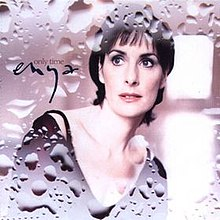
Enya’s A Day Without Rain is my favourite piece that I’ve heard from her collection and it was one of the first songs I posted on here. Today’s song Only Time is from the same album and is arguably one of her most beloved songs. Sometimes Enya sometimes gets a bad rap for reasons that escape me, but I like this a lot.
According to Wikipedia: In the aftermath of the 11 September attacks, sales of the album and its lead single, “Only Time”, surged after the song was widely used during radio and television coverage of the events, leading to its description as “a post-September 11 anthem”.
[Verse 1]
Who can say where the road goes?
Where the day flows?
Only time
And who can say if your love grows
As your heart chose?
Only time
[Interlude]
[Verse 2]
Who can say why your heart sighs
As your love flies?
Only time
And who can say why your heart cries
When your love lies?
Only time
[Bridge]
Who can say when the roads meet?
That love might be in your heart?
And who can say when the day sleeps
If the night keeps all your heart?
Night keeps all your heart
Enya Patricia Brennan known professionally as Enya, is an Irish singer, songwriter, record producer and musician. She began her music career with her family band Clannad but left in 1982 with their manager and producer Nicky Ryan to pursue a solo career. She has sung in 10 languages; eight more than me. The commercial and critical success of Watermark (1988) propelled her to worldwide fame. You could describe her music as new-age Celtic.
In 2001 she wrote and performed two tracks for the soundtrack of The Lord of the Rings: The Fellowship of the Ring (2001) at the request of director Peter Jackson.
References:
1. Only Time – Wikipedia
Only a Woman’s Heart (1992) – Eleanor McEvoy
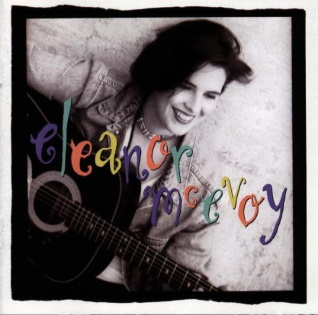
Today’s featured track has got everything that captures my musical senses: An impassioned Irish lass by the name of Eleanor McEvoy and an achingly haunting melody and lyric. I can see why Only A Woman’s Heart headlined the best-selling Irish album in Irish history. After Eleanor got an honours degree in music from Trinity College, Dublin she went to New York where she spent six months busking. She has gone on to release several albums and her ever evolving style has earned her many glowing reviews from critics over the years. Now if that isn’t the stuff of legend, I don’t know what is.
She even played in the RTÉ National Symphony Orchestra for four years from 1988-1992. When she left she began to concentrate on her songwriting. In 1992, she performed a solo gig in which she sang a song she wrote herself called Only a Woman’s Heart. Mary Black, an Irish folk singer ( and a major recording artist) happened to be in the audience and was very impressed with the song and the singer. At the time, Black was working on an album that featured tracks from several female Irish vocalists. When she heard Only a Woman’s Heart, Black invited McEvoy to be a part of the project.
A few days before A Woman’s Heart was released, Tom Zutaut A & R from Geffen Records, who had previously signed Guns & Roses, Mötley Crüe, and Edie Brickell, offered McEvoy a worldwide recording deal after watching her perform at The Baggot Inn in Dublin. I was juggling between which versions to put here of A Woman’s Heart. So we have the original and a standout performance with Mary Black which made this all happen. Between you and me there is another cool version on a Spanish show here.
My heart is low, my heart is so low
As only a woman’s heart can be
As only a woman’s, as only a woman’s
As only a woman’s heart can know
The tears that drip
From my bewildered eyes
Taste of bittersweet romance
You’re still in my hopes
You’re still on my mind
And even though I manage on my own
When restless eyes
Reveal my troubled soul
And memories flood my weary heart
I mourn for my dreams
I mourn for my wasted love
And while I know that I’ll survive alone
References:
1. Eleanor McEvoy – writer of A Woman’s Heart – Irish Music Daily
Ones Who Love You (2014) – Alvvays

Like most of the songs from Alvvays spectacular self-titled debut album, Ones Who Love You is some sweet indiepop. The album topped the US college charts. I didn’t even know they had college charts until now. This is the third song to appear here from the album after their previous entries Next of Kin and Archie, Marry Me. They gave a powerhouse performance of some of these songs live on KEXP including today’s track (see below). Alvvays know their stuff; just listen to how the second verse is launched into as the guitar sound ramps up and then the snarly organ synth insertion. To me, the whole performance on KEXP is a bastion of great musicianship.
[Verse 1]
Take, take from the ones who love you, ooh
Leave, leave with the ones who don’t, ooh
Lie, lie to the ones who like you ooh
Lay, lay with the ones who won’t
[Verse 2]
They, they are the ones who love you, ooh
We, we are the ones who don’t, ooh
Hang up on the ones who need you, ooh
Watch out for the ones who won’t
[Chorus]
When lightning strikes
I will be on my bike
I won’t be stuck inside
I will be taking flight
And when the wheels come off
I’ll be an astronaut
But I won’t be lost in space
I will be skipping rocks
[Bridge]
When you live on an island
Nothing ever falls in place
The winters are violent
And you can’t ever feel your face
You can’t fucking feel your face
Alvvays (pronounced “always”) is a Canadian indie pop band formed in 2011, originating from Charlottetown, Prince Edward Island, and subsequently based in Toronto, Ontario. Molly Rankin, the group’s singer-songwriter, is the daughter of John Morris Rankin, a fiddler with the Celtic folk family collective the Rankin Family, who enjoyed international success in the 1990s. Rankin grew up in Mabou, Nova Scotia, writing music with her neighbour, keyboardist Kerri MacLellan. She later met guitarist and partner Alec O’Hanley at a concert. With the help of O’Hanley, Rankin quietly released a solo extended play titled She in 2010. Alvvays was formed the following year, with Rankin recruiting MacLellan, O’Hanley, drummer Phil MacIsaac and bassist Brian Murphy.
Rankin picked the name Alvvays because it had a “shred of sentiment and nostalgia.” The spelling of the band name was due to the fact that there was already a band named Always signed to Sony.
I find Alvvays music just really puts me into a really pleasant mood. It takes me back to when I was about their age and just enjoying the carefree spirit of youth. They also conduct themselves unabashedly normal for a successful pop group which is refreshing.
References:
1. Alvvays – Wikipedia
2. Music representing the dissonance of loss: Molly Rankin and ‘Archie, Marry Me’ – mialondonblog
One Country (1990) – Midnight Oil
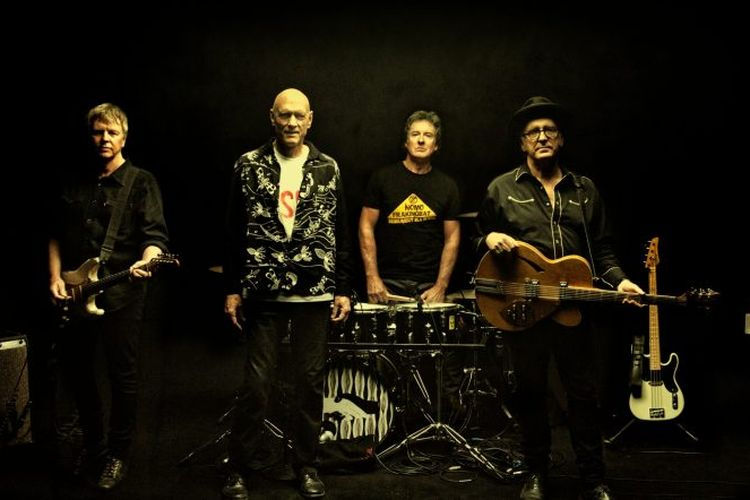
One Country by Australian rock band Midnight Oil is the ultimate call to reconciliation – “one country, one…”. It’s true patriotism, without the ‘ranting and raving’. This is the second song presented here by ‘the Oils‘ after their first entry Beds are Burning was posted back in 2019.
Allow me to digress...So it has taken 4 years to go from the B's to the O's in the alphabetical song order of the music library project (approximately 720 songs). Currently 610 songs still remain - not including unforeseen songs which will be added concurrently.
Now back to the Oils and One Country…. (and most of the following is sourced from the excellent first reference below – Media Loper):
After having their biggest world-wide album ever with Diesel and Dust, the Oils took a couple of years off and followed it up with 1990’s Blue Sky Mining, which was nearly as good, spawning a couple of major radio songs in “Blue Sky Mine” and “Forgotten Years”. As good as those songs were, my favourite song on the album was today’s featured track the slow-burning One Country” which I guess is the closest Midnight Oil ever got to doing a U2-style anthem such as yesterday’s song entry – One.
Who’d like to change the world?
Who wants to shoot the curl?
Who wants to work for bread?
Who wants to get ahead?
Who hands out equal rights?
Who starts and ends that fight?
And not rant and rave
Or end up a slave
Who can make hard-won gains?
Fall, like the summer rain?
Every man must be
What his life can be
So don’t, call, me
The tune I will walk away
At first, One Country is little more than Peter Garrett singing — uncharacteristically quietly — over an acoustic guitar. And slowly, ever so slowly, One Country builds and builds, until about halfway through, drummer Robert Hirst switches into a marital beat, guitarists Jim Moginie & Martin Rotsey switch to their electric guitars, and then, unexpectedly, bassist Bones Hillman sings: Onnnnnnnnnnne country (x 4)
It’s startling, hearing someone other than Peter Garrett take a solo vocal performance on a Midnight Oil track, and at first Hillman sounds tentative, like he shouldn’t really be singing by himself, but, of course Garrett isn’t going to leave him hanging, so while Hillman continues to sing, Garrett counterpoints:
Who wants to sit around, turn it up turn it down
Only a man can be, what his life can be
One vision, one people, one landmass
We are defenseless, we have a lifeline
And it is utterly thrilling and absolutely gorgeous, even as they pile on the guitars and strings towards an utterly massive finale, marching on into the distance singing “country onnnnnnnne country” until the end of time.
References:
1. Certain Songs #1138: Midnight Oil – “One Country” – Media Loper
2. Blue Sky Mining – Wikipedia
3. Midnight Oil – Wikipedia
4. One Country – Song Meanings
One (1991) – U2
[Bridge]
You say love is a temple, love a higher law
Love is a temple, love the higher law
You ask me to enter but then you make me crawl
And I can’t be holding on to what you got
When all you got is hurt
There are so few Bridges in songs which you could argue supersede the Verses and Chorus, because they are otherwise known as ‘fillers’, however I believe today’s track is an exception to the rule.
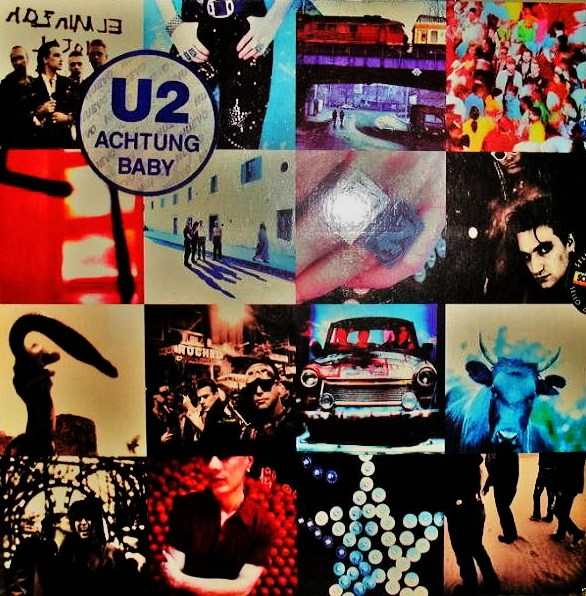
In September’s post of U2’s All I Want is You, I wrote how my favourite song by the band is One and that post was forthcoming. Well the day has arrived. Ironically the song came when the group were on the verge of breaking up over the direction of U2’s sound and the quality of their material. Feeling trapped and exhausted by their own success at the close of the 1980s, U2 took a leaf out of David Bowie’s book and looked for the future in Berlin, at Hansa Studios.
During the album Achtung Baby’s recording sessions they achieved a breakthrough with the improvisation of One; the song was written after the band members were inspired by a chord progression that guitarist the Edge was playing in the studio. The lyrics, written by lead singer Bono, were inspired by the band members’ fractured relationships. However, One wasn’t finished until the very last night of the album sessions, 11 months after that first improvisation in Berlin.
[Verse 1]
Is it getting better
Or do you feel the same?
Will it make it easier on you
Now you got someone to blame?
[Chorus]
You say one love, one life
When it’s one need in the night
One love, we get to share it
Leaves you, baby, if you don’t care for it
[Verse 2]
Did I disappoint you
Or leave a bad taste in your mouth?
You act like you never had love
And you want me to go without
[Chorus]
Well, it’s too late tonight
To drag the past out into the light
We’re one, but we’re not the same
We get to carry each other, carry each other
One
The following is sourced from the BBC Culture One article below:
“The concept of oneness is of course an impossible ask,” Bono says. “Maybe the song works because it doesn’t call for unity. It presents us as being bound to others whether we like it or not. ‘We get to carry each other’ – not ‘We got to carry each other’. ‘We’re one but we’re not the same’ allows room for all the differences that get through the door.”
One raises the fundamental question of whether a song’s meaning is fixed when it is written and recorded, or whether, provided it is flexible enough, it can continue to acquire new resonances indefinitely. Who gets to say what a song really means? One is so powerful because of, not despite, its insoluble ambiguity. The rolling beauty of the music means that it is both angry and wounding and warm and healing.
“If I was to pick one song which encapsulates everything about who and what we are, it would have to be One,” drummer Larry Mullen Jr once told me. “Every time I hear it or play it, it connects.”
Reference:
1. One (U2 song) – Wikipedia
2. Why U2’s One is the ultimate anthem – BBC Culture
One (1988) – Metallica
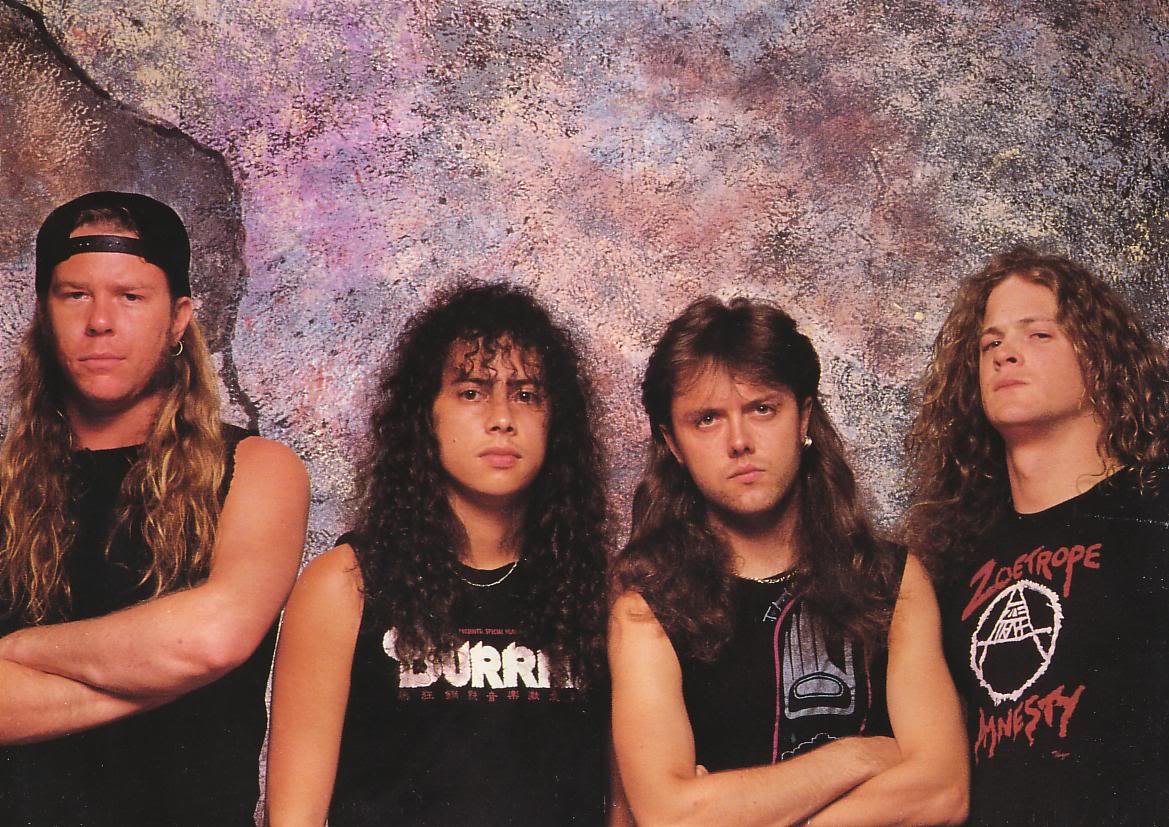
Generally, Heavy metal music hasn’t enticed my listening senses like other genres of music. But the song One by Metallica is a rare exception because of the masterful playing, the raw power and intensity of the sound and confounding lyrical imagery. It’s a musical masterpiece. I have listened to other Metallica music and saw their 2004 documentary Some Kind of Monster, but as far as my musical appreciation goes (apart from One) – ‘nothing else matters‘.
One was released as the third and final single from the band’s fourth studio album, …And Justice for All. Written by band members James Hetfield and Lars Ulrich, the song portrays a World War I soldier who is severely wounded—arms, legs and jaw blown off by a landmine, blind and unable to speak or move—begging God to take his life. Where this song supersedes other music is how it conveys this misery by gradually getting more heavy and distorted until the “machine gun” guitar build up (played alongside double bass drums). The song starts off in a soft melodic setting, but it develops through multiple sections into heavier and faster speed metal sounds.
[Verse 1]
I can’t remember anything
Can’t tell if this is true or a dream
Deep down inside, I feel to scream
This terrible silence stops me
Now that the war is through with me
I’m waking up, I cannot see
That there’s not much left of me
Nothing is real but pain now
[Refrain]
Hold my breath as I wish for death
Oh, please, God, wake me
[Verse 2]
Back in the womb, it’s much too real
In pumps life that I must feel
But can’t look forward to reveal
Look to the time when I’ll live
Fed through the tube that sticks in me
Just like a wartime novelty
Tied to machines that make me be
Cut this life off from me
[Refrain]
Hold my breath as I wish for death
Oh, please, God, wake me
[Instrumental Break]
[Chorus]
Now the world is gone, I’m just one
Oh, God, help me
Hold my breath as I wish for death
Oh, please, God, help me
[Instrumental Break]
[Bridge]
Darkness, imprisoning me
All that I see, absolute horror
I cannot live, I cannot die
Trapped in myself, body my holding cell
Landmine, has taken my sight
Taken my speech, taken my hearing
Taken my arms, taken my legs
Taken my soul, left me with life in Hell
[Instrumental Outro]
[Guitar Solo]
Metallica performed One for the 31st Annual Grammy Awards show broadcast from Los Angeles in 1989. The next year, the song won a Grammy Award for Best Metal Performance, the first ever to win in that category. In March 2023, Rolling Stone ranked “One” at number 11 on their “100 Greatest Heavy Metal Songs of All Time” list. The song is one of the band’s most popular pieces and has remained a staple at live shows since the release of the album, and is the most performed song from …And Justice for All.
Reference:
1. One (Metallica song) – Wikipedia
On the Turning Away (1987) – Pink Floyd
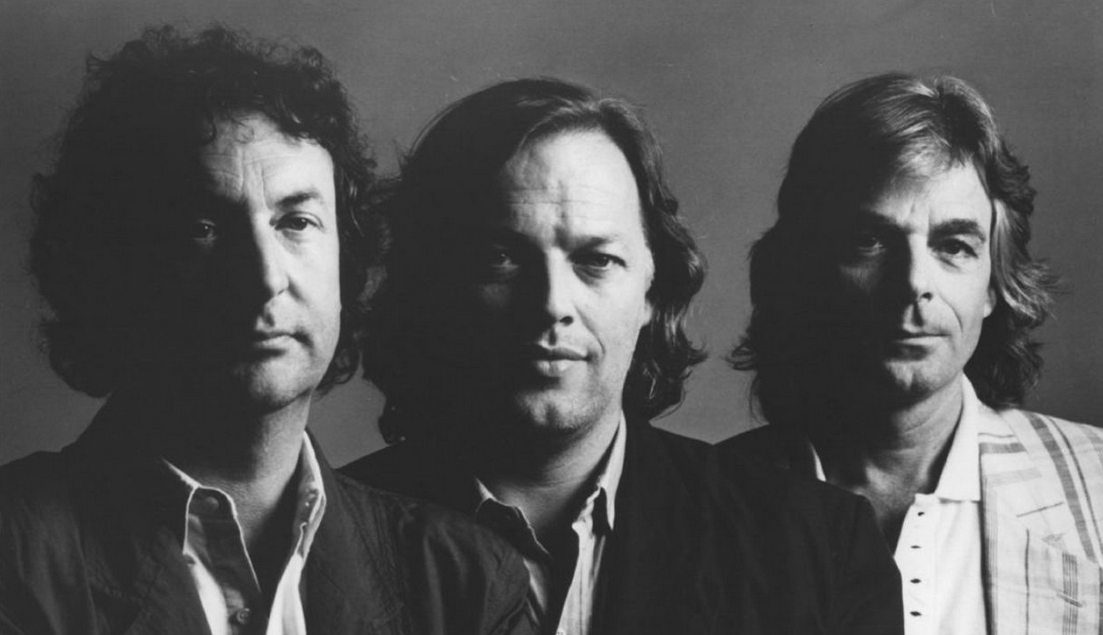
On the Turning Away is the second song to feature here from Pink Floyd’s 1987 record A Momentary Lapse of Reason. Their previous entry was Learning to Fly – atmospheric rock at its best. Although described as a protest song released after the departure of Roger Waters, On the Turning Away was symbolic and prognostic of significant world events which would take place at the end of the 80’s and turn of the 90’s. It was also the predecesor of this European ‘change’ music reflecting the iron curtain and Soviet Union collapse (see Winds of Change by the Scorpions).
[Verse 1]
On the turning away
From the pale and downtrodden
And the words they say
Which we won’t understand
“Don’t accept that what’s happening
Is just a case of all the suffering
Or you’ll find that you’re joining in
The turning away”
[Verse 2]
It’s a sin that somehow
Light is changing to shadow
And casting its shroud
Over all, we have known
Unaware how the ranks have grown
Driven on by a heart of stone
We could find that we’re all alone
In the dream of the proud
The song was a staple of live shows from the 1987–89 world tours in support of A Momentary Lapse of Reason and was one of the songs in rotation during the 1994 tour in support of The Division Bell. Released as the second single from the album, it reached number one on the Billboard Album Rock Tracks chart in early 1988.
A Momentary Lapse of Reason is the thirteenth studio album by Pink Floyd. It was recorded primarily on guitarist David Gilmour’s converted houseboat, Astoria. In the recording process, Gilmour experimented with songwriters but settled on Anthony Moore, who was credited as co-writer of Learning to Fly and On the Turning Away. Gilmour later said that the project had been difficult without Waters.
References:
1. On the Turning Away – Wikipedia
2. A Momentary Lapse of Reason – Wikipedia
On the Level (2016) – Leonard Cohen
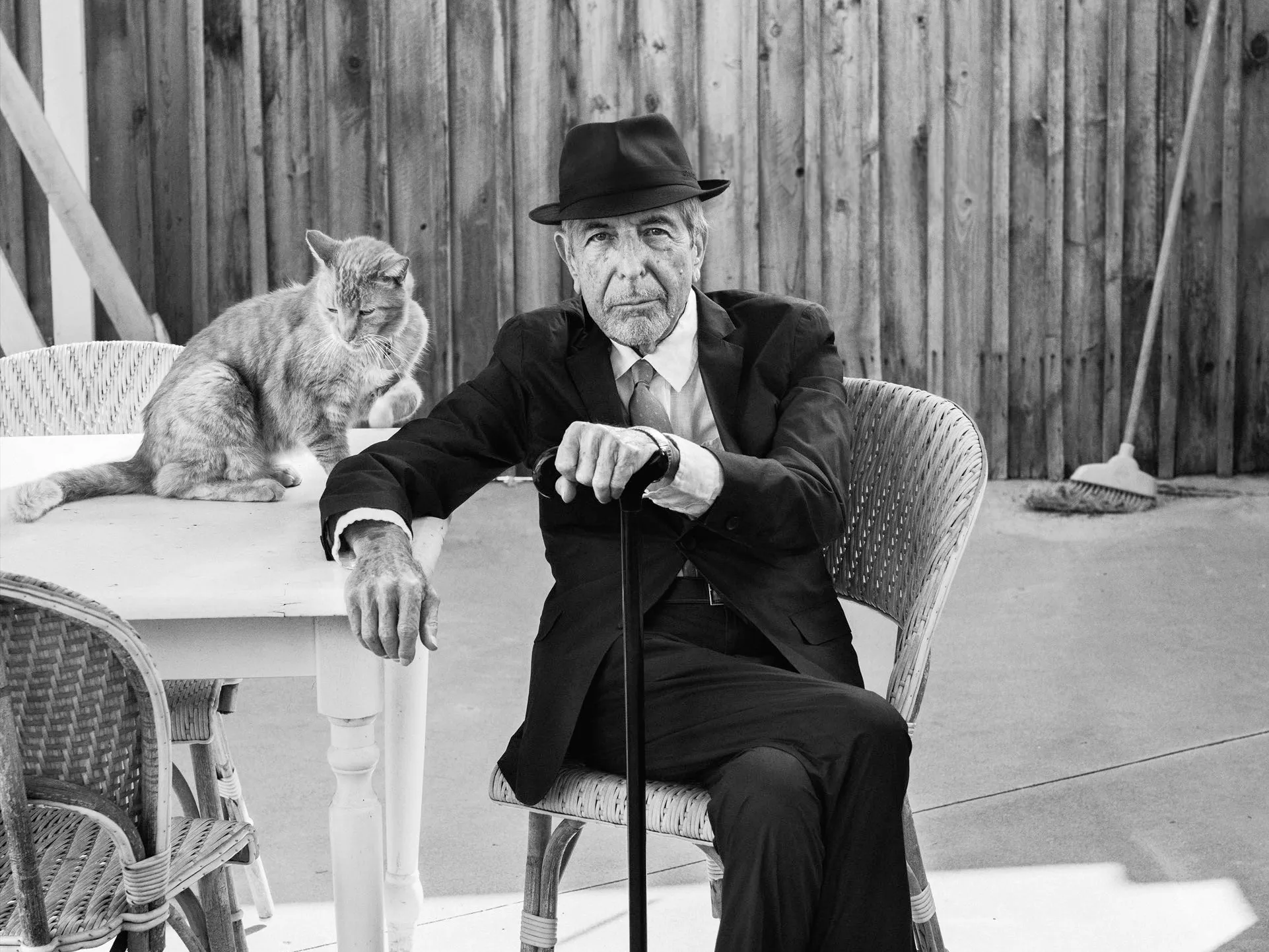
Cohen’s voice is front and centre on his 14th and final album You Want It Darker released on October 21, 2016, 17 days before his passing. Musically, the album is “a little bit more sparse and acoustic” compared to his other albums. On the Level is a collected and sedate track about forgiving oneself despite the feeling of regret. Like anyone of his age, Cohen counts the losses as a matter of routine. Moving on has it’s costs and opportunity costs. Leaving you to lose and win. Settling sometimes let’s us move on and simply survive – however it’s never the same going forward.
The New Yorker article states below: Cohen’s songs are death-haunted, but then they have been since his earliest verses. But, despite his diminished health, Cohen remains as clear-minded and hardworking as ever, soldierly in his habits. He gets up well before dawn and writes. In the small, spare living room where we sat, there were a couple of acoustic guitars leaning against the wall, a keyboard synthesizer, two laptops, a sophisticated microphone for voice recording.
Due to fractures of the spine, You Want It Darker was recorded in the living room of Leonard Cohen’s home in Mid-Wilshire, Los Angeles and then sent by e-mail to his musical collaborators. His son, Adam Cohen recalled that “occasionally, in bouts of joy, he would even, through his pain, stand up in front of the speakers, and we’d repeat a song over and over like teenagers“.
[Verse 1]
I knew that it was wrong
I didn’t have a doubt
I was dying to get back home
And you were starting out
I said I best be moving on
You said we have all day
You smiled at me like I was young
It took my breath away
[Pre-Chorus]
Your crazy fragrance all around
Your secrets all in view
My lost, my lost was saying found
My don’t was saying do
[Chorus]
Let’s keep it on the level
When I walked away from you
I turned my back on the devil
Turned my back on the angel, too
In Canada, You Want It Darker debuted atop the album charts, with 19,400 in traditional sales. The album occupied the top position for three consecutive weeks and sold 106,000 units by the end of the year in Canada. In the United States, You Want It Darker debuted at number 10 on the Billboard 200 with 25,000 units, 24,000 of which were pure album sales. It is Cohen’s second American top 10 album.
“In a certain sense, this particular predicament is filled with many fewer distractions than other times in my life and actually enables me to work with a little more concentration and continuity than when I had duties of making a living, being a husband, being a father,” he said. “Those distractions are radically diminished at this point. The only thing that mitigates against full production is just the condition of my body.
For some odd reason,” he went on, “I have all my marbles, so far. I have many resources, some cultivated on a personal level, but circumstantial, too: my daughter and her children live downstairs, and my son lives two blocks down the street. So I am extremely blessed. I have an assistant who is devoted and skillful. I have a friend like Bob and another friend or two who make my life very rich. So in a certain sense I’ve never had it better. . . . At a certain point, if you still have your marbles and are not faced with serious financial challenges, you have a chance to put your house in order. It’s a cliché, but it’s underestimated as an analgesic on all levels. Putting your house in order, if you can do it, is one of the most comforting activities, and the benefits of it are incalculable.”
References:
1. You Want It Darker – Wikipedia
2. Leonard Cohen Makes It Darker – The New Yorker


 Observation Blogger